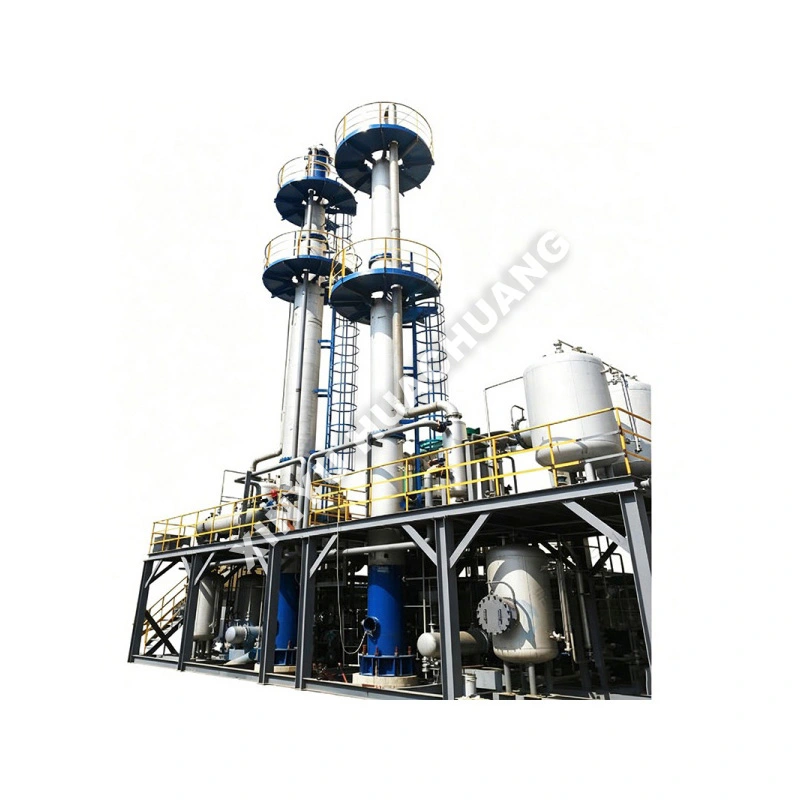
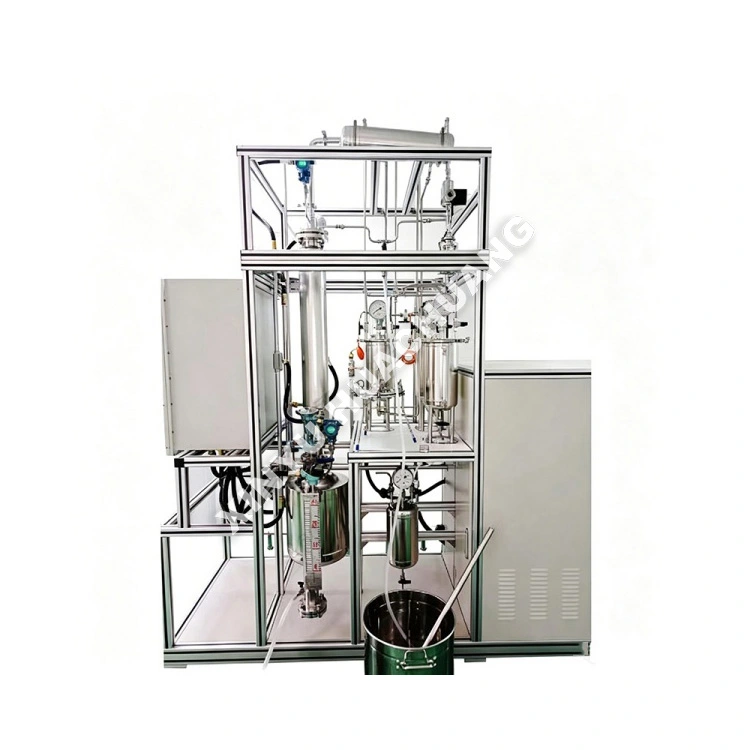
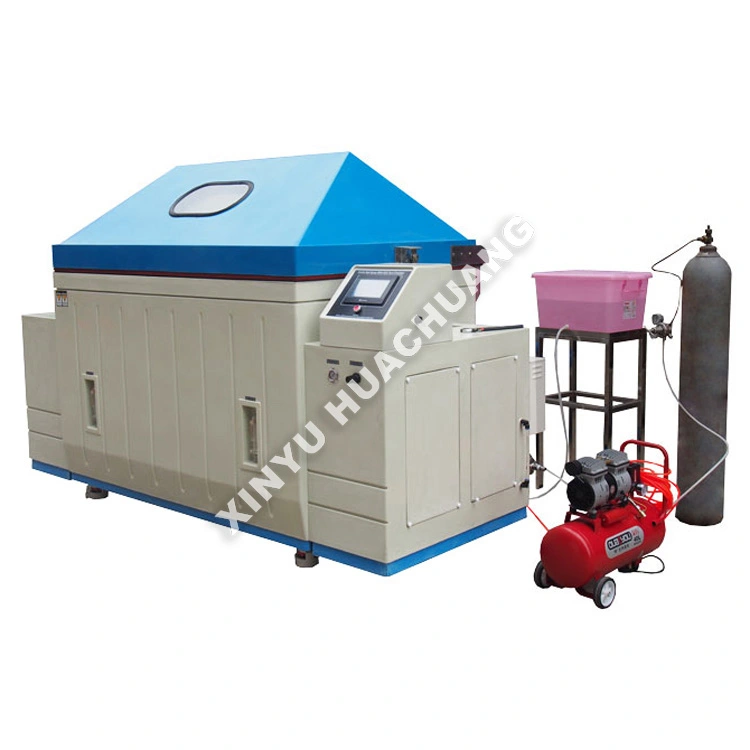
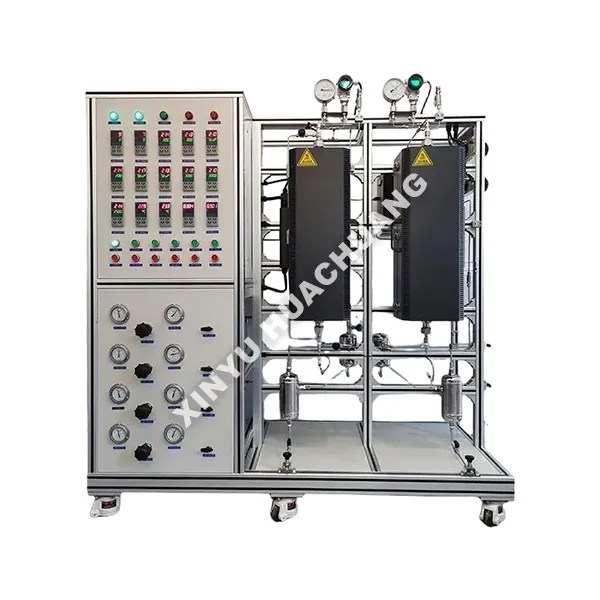
For salt spray corrosion, environmental exposure and reliability evaluation, choose Environmental and Reliability Test Chambers systems from XINYU HUACHUANG. The product range includes cyclic salt spray corrosion test chambers, which allow customers to assess coating quality, material durability and component corrosion resistance under controlled conditions.
What Is an Environmental and Reliability Test Chamber?
An environmental and reliability test chamber is a test system used to simulate specific environmental conditions and evaluate product performance over time. It can reproduce temperature, humidity, salt spray, condensation, drying and other cyclic conditions to check whether materials, coatings or components can maintain stability during long-term service.
The cyclic salt spray corrosion test chamber is a typical product in this category. It applies alternating salt spray, wetting and drying stages instead of continuous spraying, so the test can better simulate real corrosion processes such as atmospheric exposure, marine environment influence and wet-dry cycling.
What Should Be Considered During Operation?
Before starting the test, confirm that the chamber is placed on a stable surface and connected to power, water and drainage as required. The salt solution should be prepared according to the specified concentration and quality requirements. Using incorrect solution quality may affect test repeatability.
During operation, check nozzle condition, chamber temperature, humidity status and salt fog settlement if applicable. Do not open the chamber door frequently during testing, as this may disturb temperature stability and corrosion exposure. After the test, drain residual solution, clean internal surfaces and keep the chamber dry to avoid unnecessary corrosion inside the equipment.
As the original manufacturer, XINYU HUACHUANG supports customers with direct technical confirmation, parameter matching and timely assistance during commissioning. Factory-level cooperation also makes it easier to adjust the test configuration according to specimen size, corrosion standards and laboratory conditions.
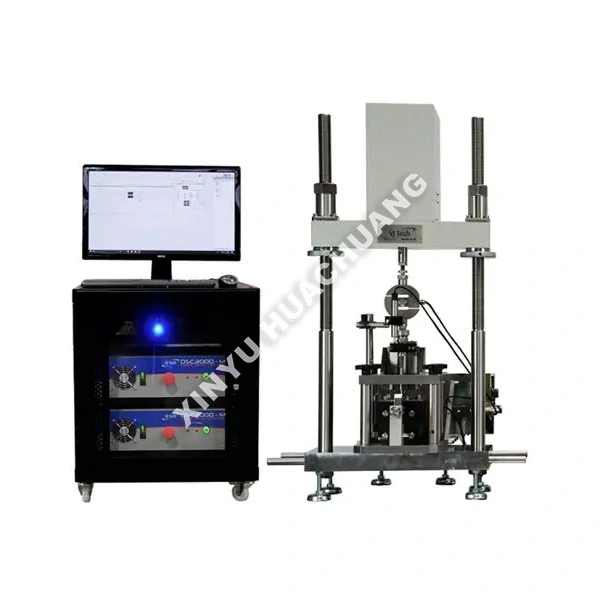
In addition to environmental and reliability test chambers, we also supply Bearing Clearance Measuring Instruments, Comprehensive Stress Test Benches, Mechanical Performance Testing Machines and other testing and experimental systems.
How Should the Test Chamber Be Maintained?
Regular maintenance helps keep test results stable and extends equipment service life. After each test, clean the chamber interior, salt solution tank, nozzles and drainage parts. Residual salt deposits should be removed to prevent blockage and secondary corrosion.
Check seals, sensors, heating elements and spray components regularly. If the chamber will not be used for a long time, drain remaining liquid, clean internal parts and store the equipment in a dry environment. For abnormal temperature, unstable spray or unusual noise, stop operation and check the system before continuing.
Frequently Asked Questions
1. What is the difference between cyclic and continuous salt spray testing?
Continuous salt spray testing keeps specimens exposed to salt fog for a fixed period. Cyclic salt spray testing alternates between salt spray, wetting, drying or condensation stages, which can better simulate real environmental changes and corrosion mechanisms.
2. Which products can be tested in this chamber?
Coated metal parts, fasteners, electronic components, automotive parts, marine components and material samples can be evaluated, depending on chamber size and test standard.
3. Can the test chamber be configured for different standards?
Yes. Test parameters such as temperature, humidity, salt concentration, cycle time and exposure mode can be discussed according to applicable standards and customer requirements.
4. Do you support installation and commissioning?
Yes. As the original manufacturer, we can provide installation guidance, parameter confirmation, operation consultation and maintenance recommendations based on the selected chamber configuration.