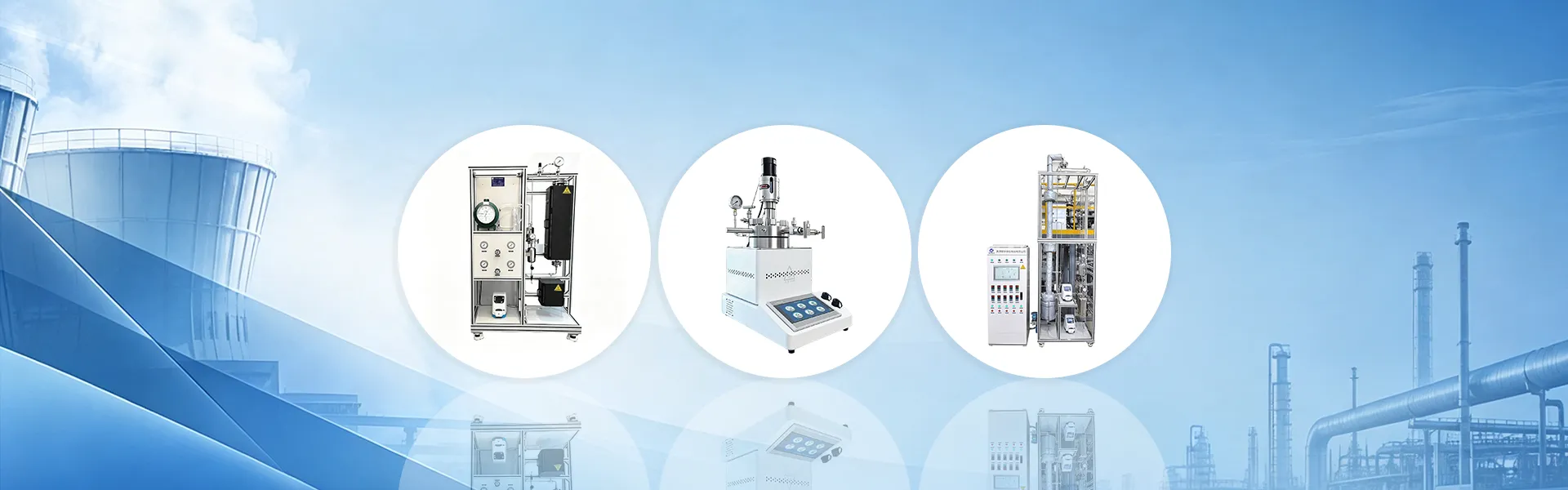
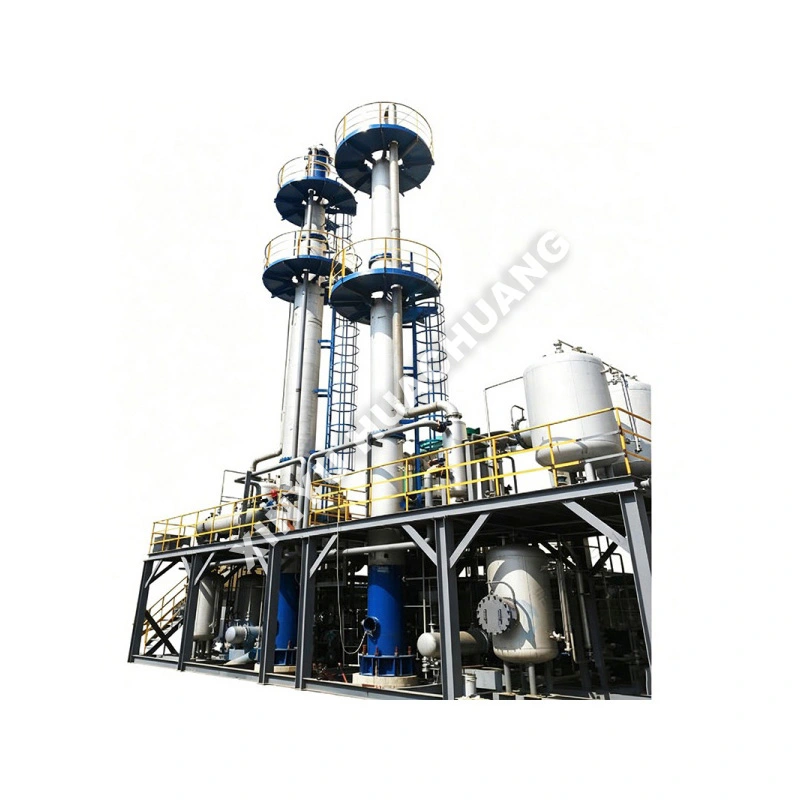
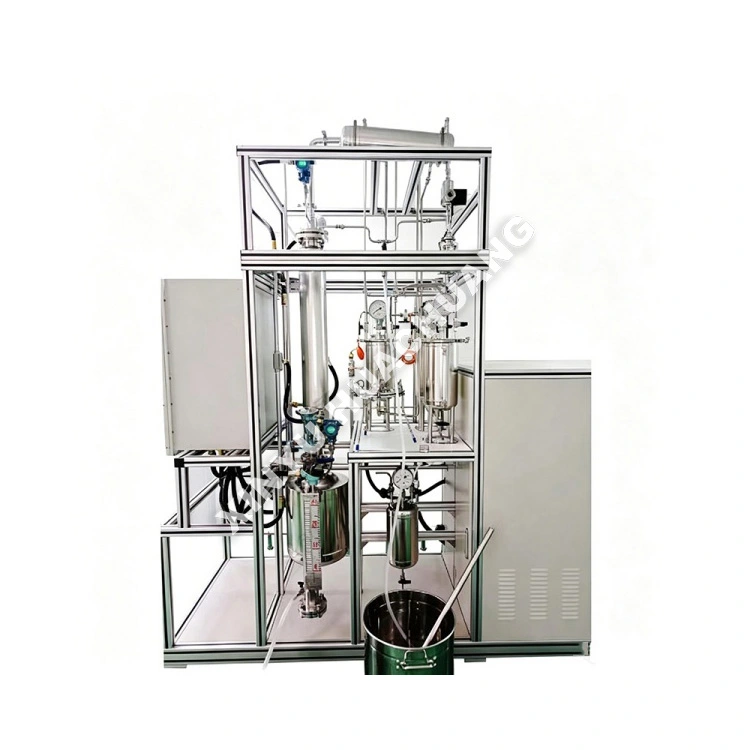
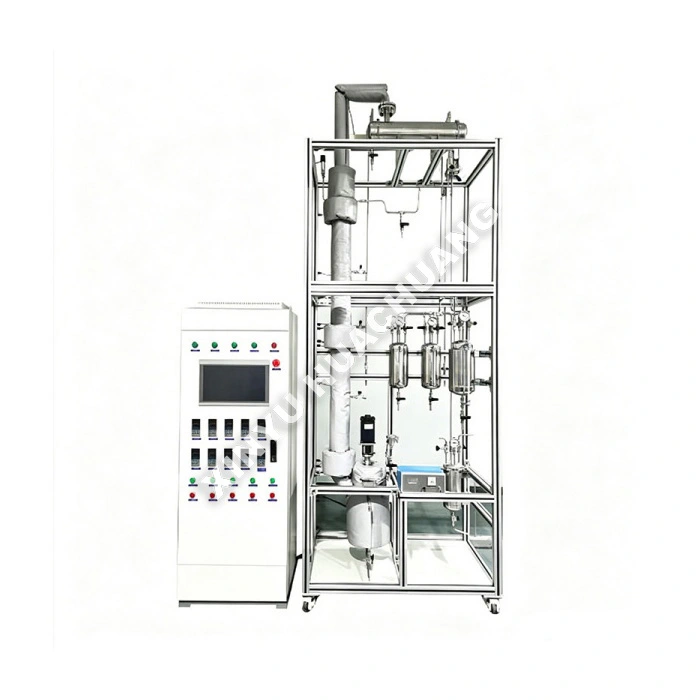
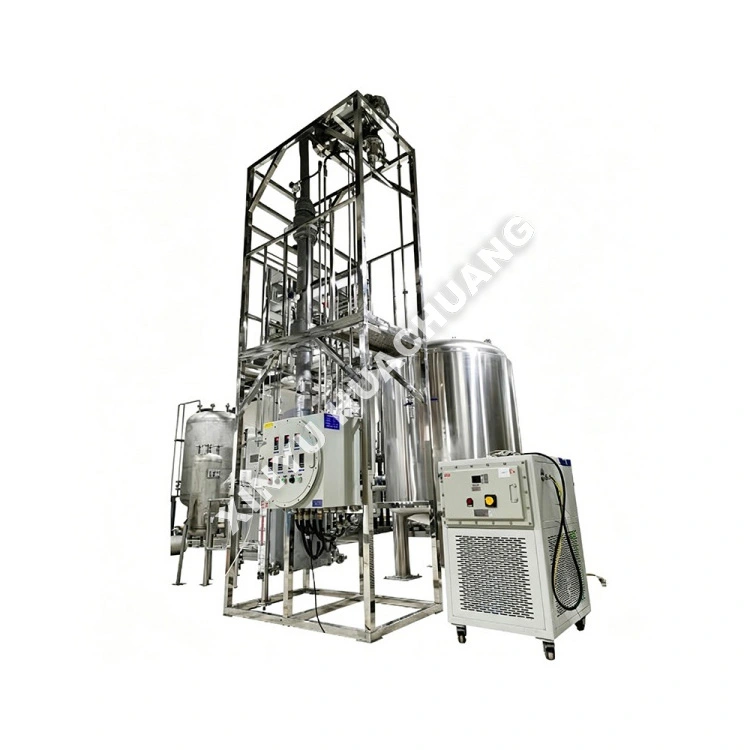
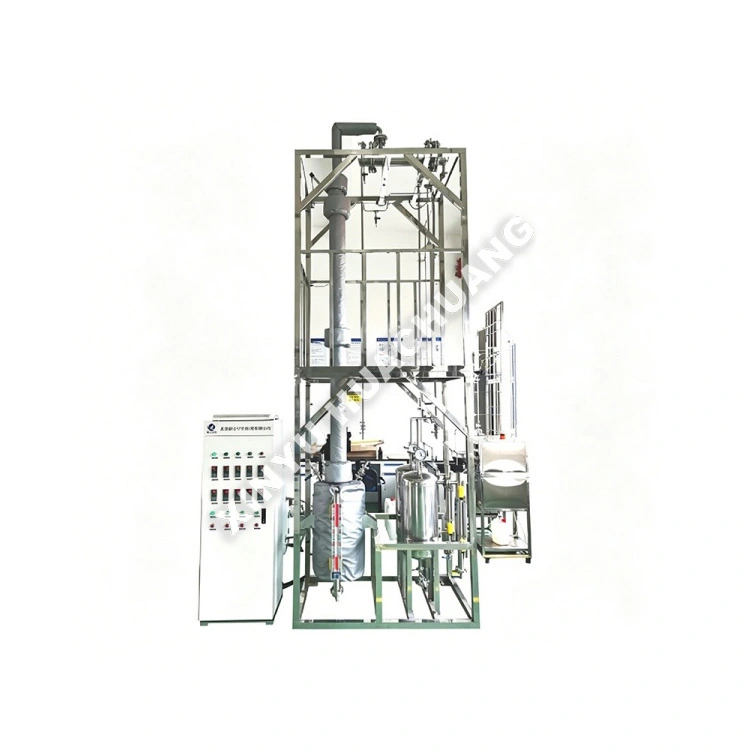
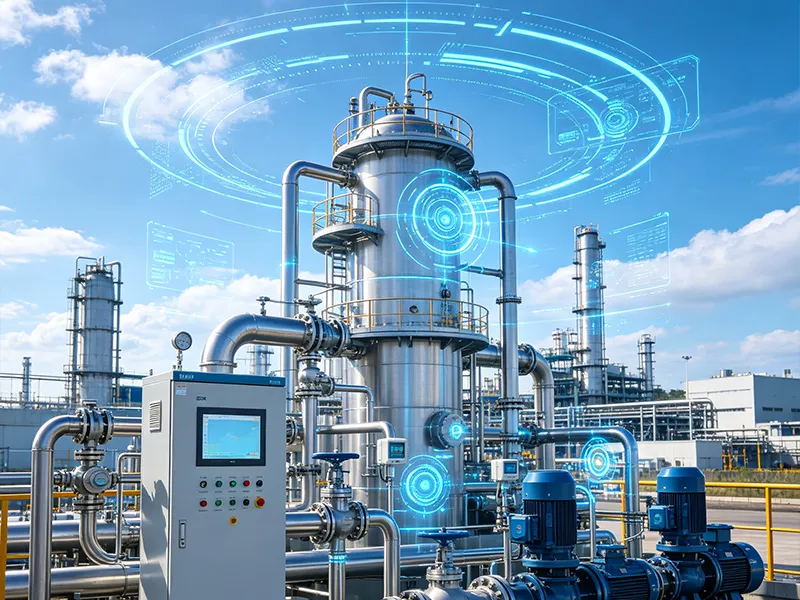
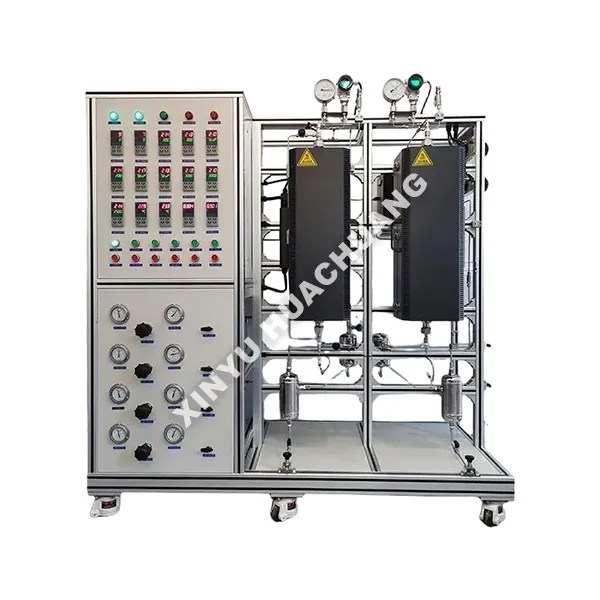
Make your laboratory separation and purification more flexible with XINYU HUACHUANG Batch Distillation Units. Whether you are running small-batch distillation, recovering solvents, collecting fractions, or evaluating mixtures, our units help you quickly test separation feasibility and fine-tune operating conditions—supporting research, quality control, and pilot development with confidence. Choose XINYU HUACHUANG for practical, dependable lab-scale distillation.
What Are Batch Distillation Units?
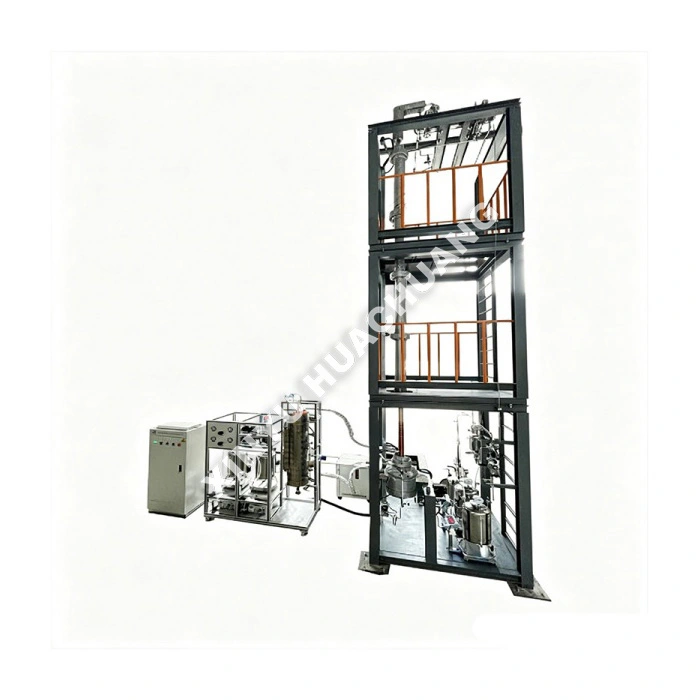
Batch distillation units are laboratory-scale systems used to separate liquid mixtures by heating, vaporization, condensation and fraction collection in batch mode. These units typically include a reboiler or distillation flask, column section, column internals, condenser, reflux divider, temperature measurement, collection vessels and control instrumentation.
They are suitable for separating multi-component mixtures, recovering solvents, evaluating relative volatility, testing column efficiency and preparing purified fractions. Compared with continuous distillation, batch operation offers greater flexibility when feed composition, product specification or operating conditions need frequent adjustment.
How Do Batch Distillation Units Work?
The mixture is heated in the reboiler or distillation flask until vapor is generated. The vapor rises through the column and contacts the internal packing or trays, where repeated vapor-liquid exchange improves separation efficiency. After reaching the top of the column, the vapor is condensed into liquid.
Part of the condensate is returned to the column as reflux, while the remainder is collected as product. By adjusting reflux ratio, heating rate, column temperature and collection strategy, operators can obtain different fractions with required purity. The process continues until the desired separation target is reached or the batch is completed.
What Should Be Checked Before and During Operation?
Before startup, confirm that the unit configuration matches the mixture to be separated, including boiling point range, thermal sensitivity, viscosity, corrosiveness and expected purity. Check all glass or metal joints, sealing components, heating devices, temperature sensors and collection vessels.
During operation, avoid excessive heating that may cause flooding, bumping or thermal decomposition. Adjust reflux ratio and collection points gradually, and record temperature, pressure and fraction data for later analysis. For flammable solvents or heat-sensitive materials, appropriate ventilation, explosion-proof measures and temperature limits should be observed.
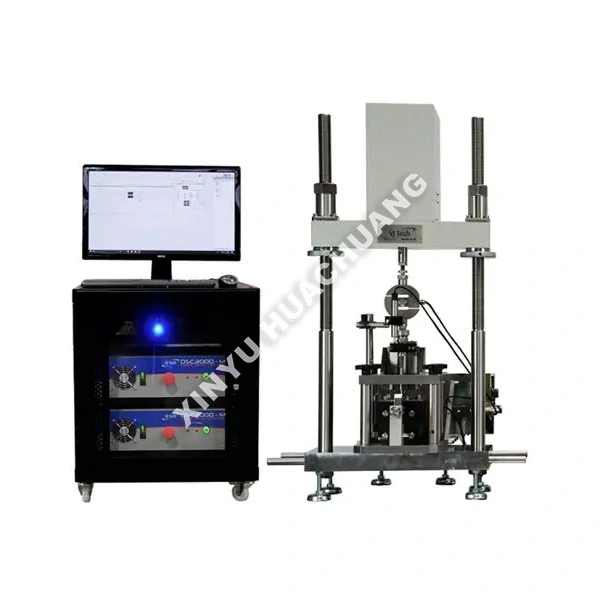
At XINYU HUACHUANG, we pride ourselves on being a direct manufacturer of chemical experimental and pilot equipment, which means better pricing, faster delivery, and direct communication with our engineering team. In addition to Batch Distillation Units, we also offer Continuous Distillation Units, High-pressure and Adsorption-Desorption Reaction Units, Hydroprocessing Pilot Reaction Units, and Column Auxiliary Internals, providing a complete solution for your separation needs.
How Are the Units Packaged and Shipped?
Each unit is packaged according to its structure and transport requirements. Glass components, columns, condensers and fragile accessories are protected with moisture-proof and shock-resistant materials, while metal frames and control parts are packed to prevent damage during handling.
Before shipment, we verify the equipment appearance, accessory list and related documentation. Shipping method, delivery time and export documents are confirmed according to customer requirements and destination. For international customers, we can provide packing lists, commercial invoices and other documents required for customs clearance and installation preparation.
Frequently Asked Questions
1. What types of mixtures can be separated with batch distillation units?
They are suitable for separating liquid mixtures with different boiling points, such as solvent recovery, fraction purification, azeotropic or near-azeotropic evaluation and small-batch product preparation, subject to material compatibility and safety requirements.
2. Can the system operate under vacuum conditions?
Many batch distillation units can be configured for vacuum operation when the mixture is heat-sensitive or has a high boiling point. The final vacuum rating and sealing design should be confirmed during technical discussion.
3. What column internals can be selected?
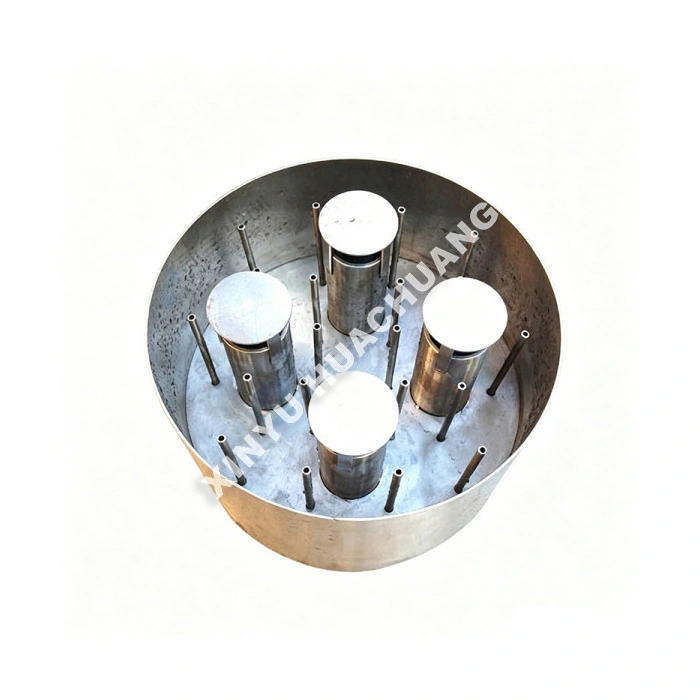
Common options include structured packing, random packing, tray sections and other auxiliary internals. Selection depends on separation efficiency, pressure drop, column diameter and experimental objectives.
4. Do you provide customization and after-sales support?
Yes. As the original manufacturer, we provide technical consultation, configuration selection, operation guidance, spare parts supply and after-sales service. For customized laboratory distillation systems, we can also support customers with column matching, commissioning advice and maintenance recommendations.