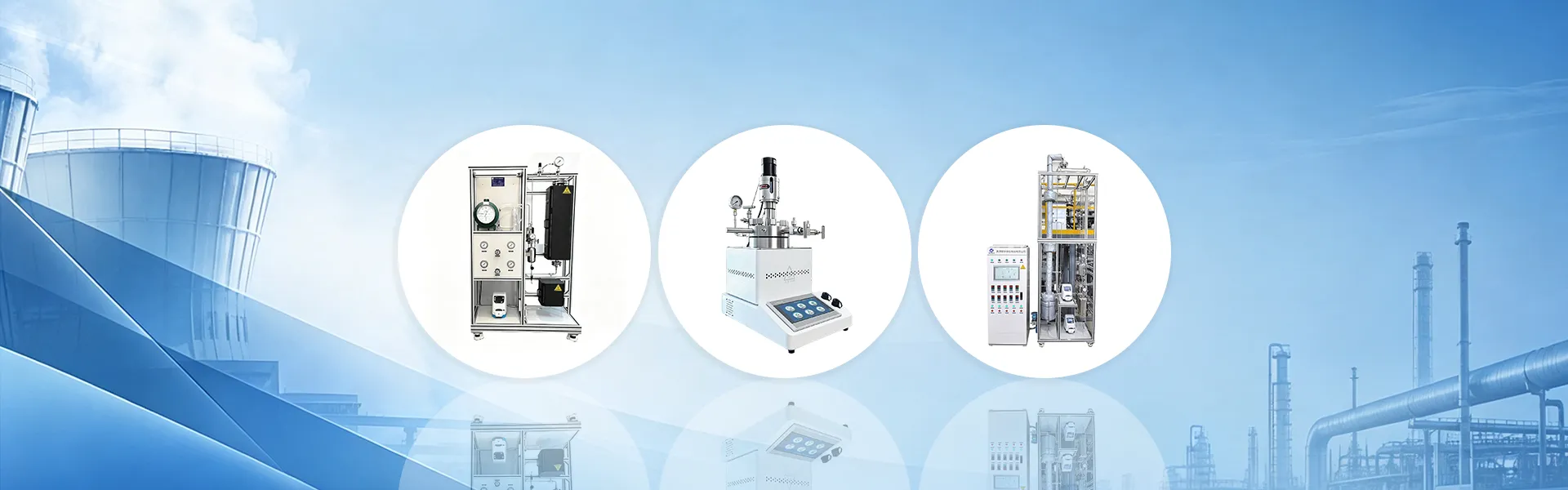
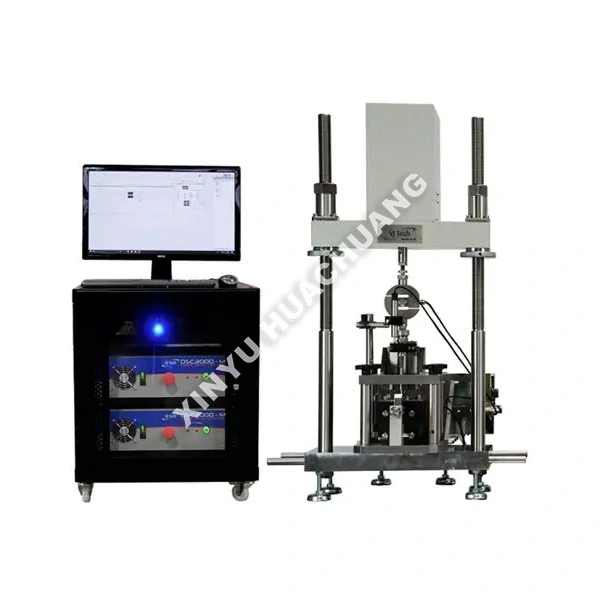
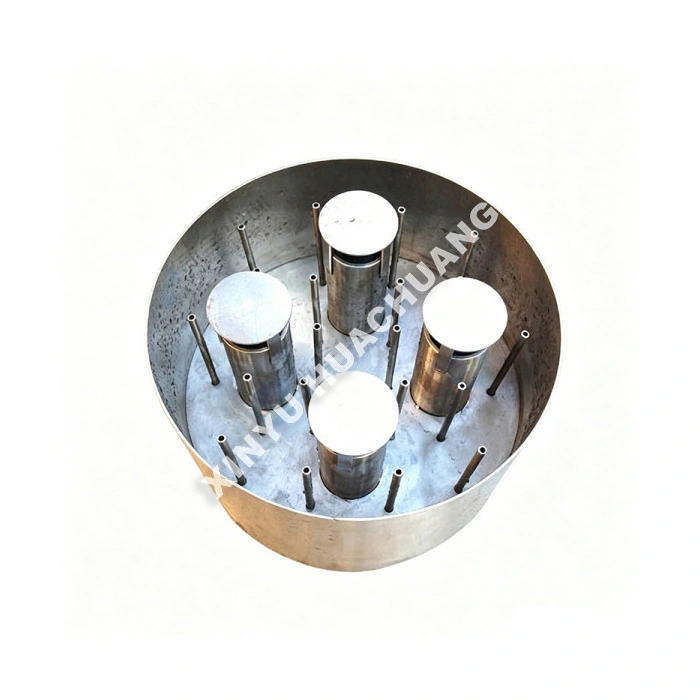
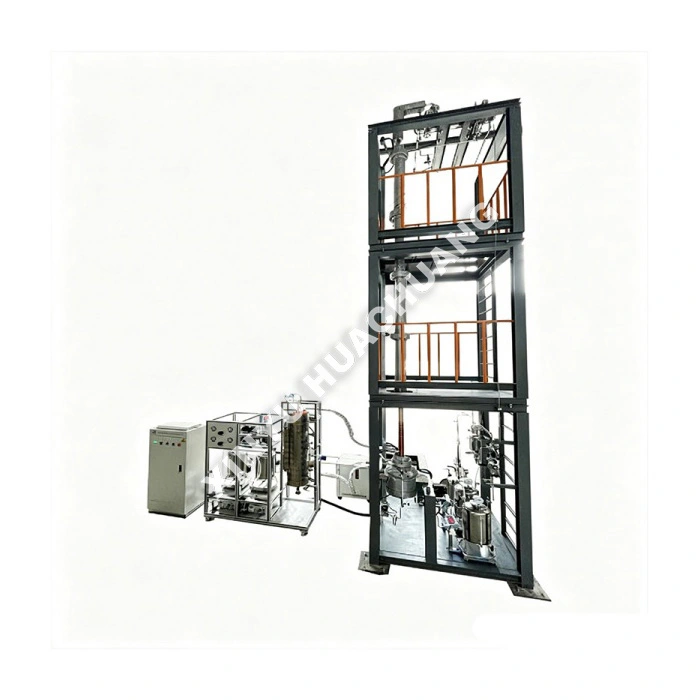
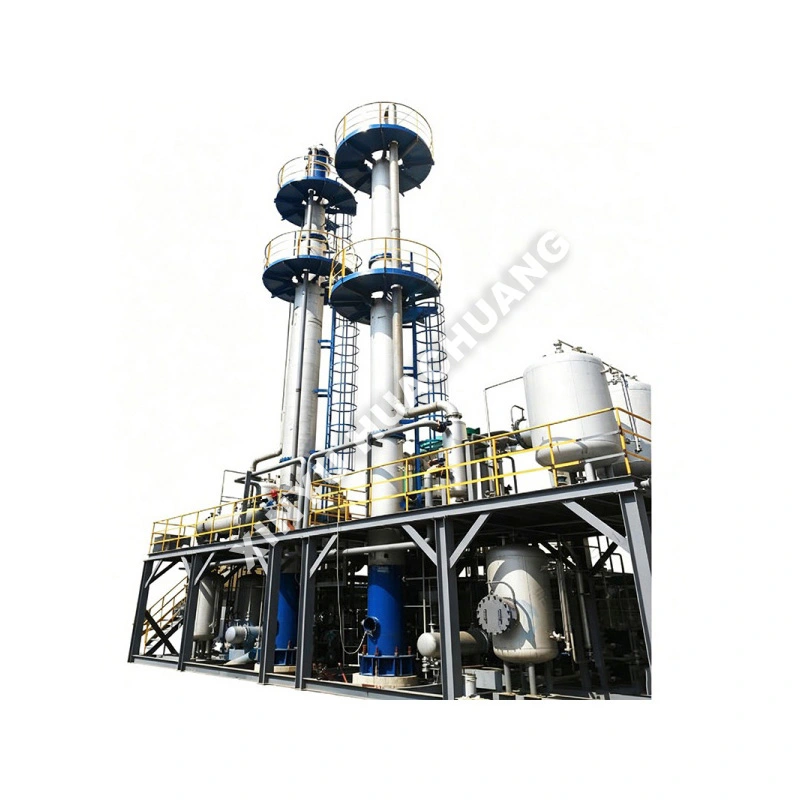
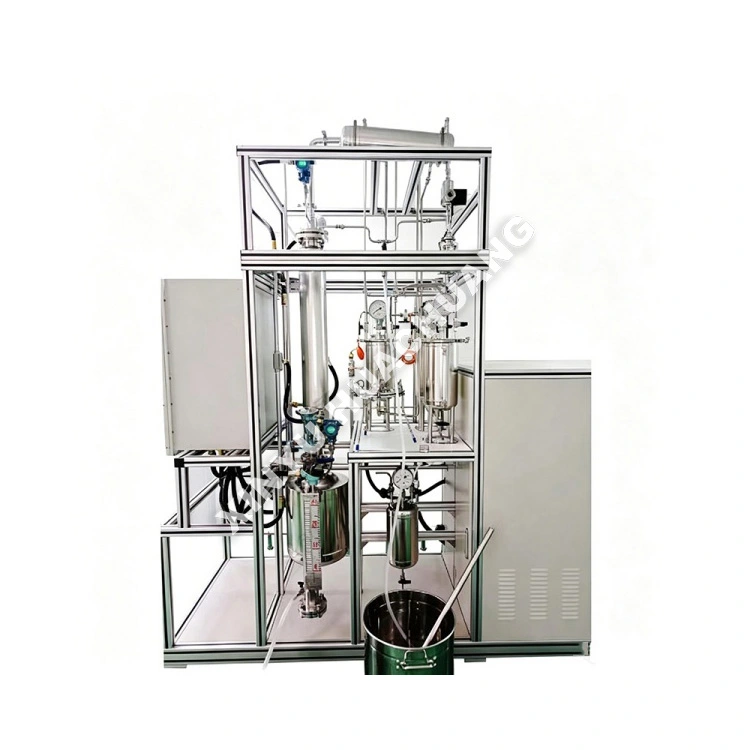
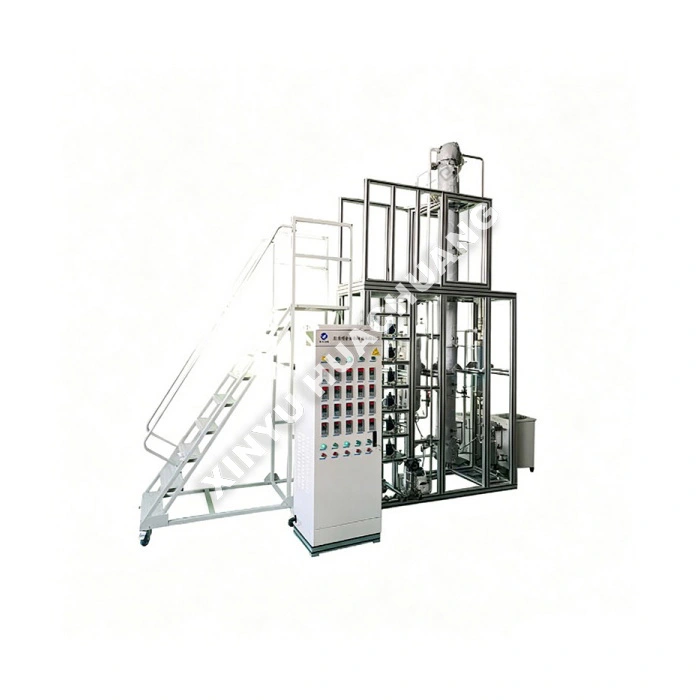
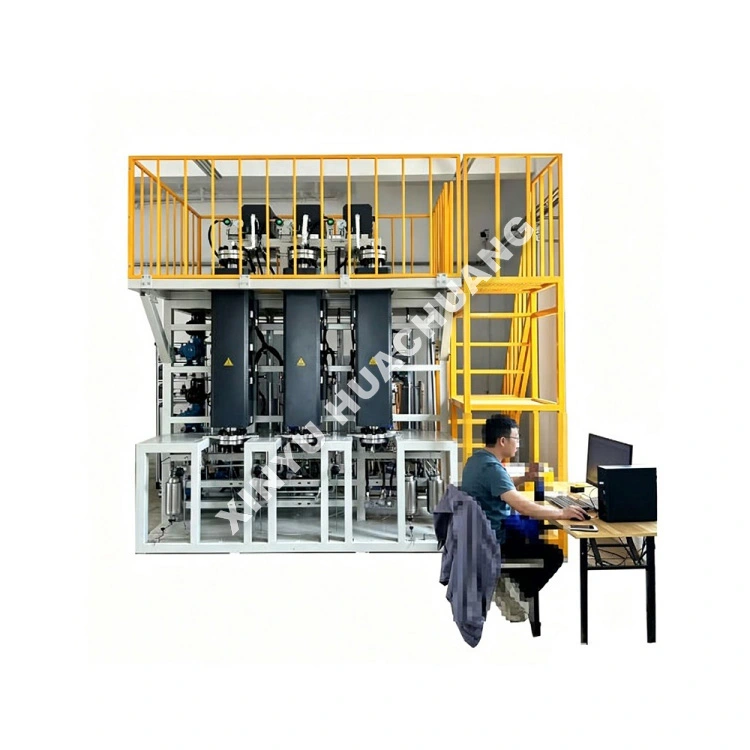
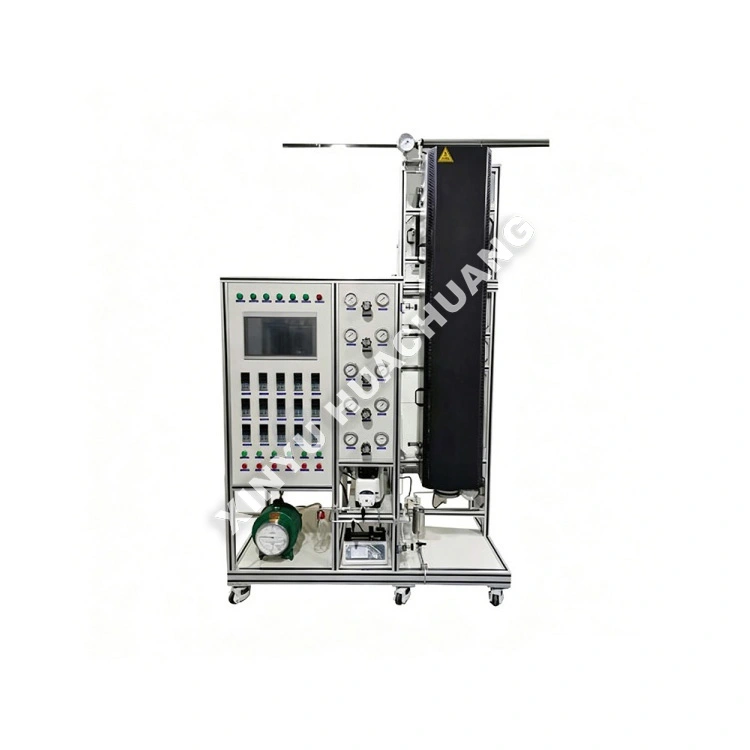
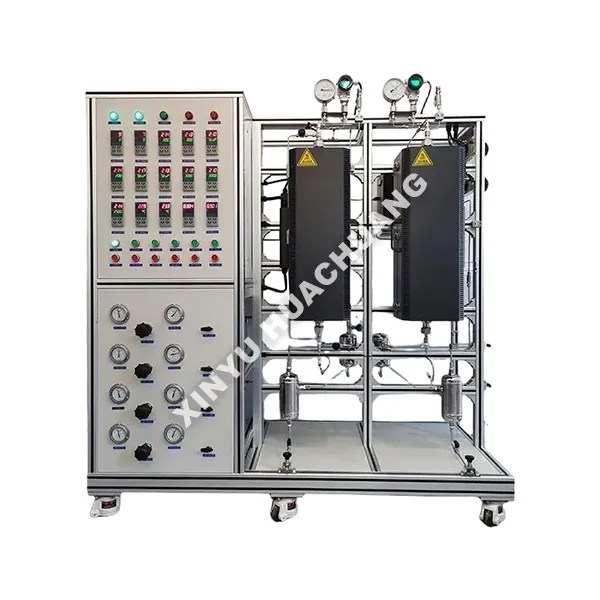
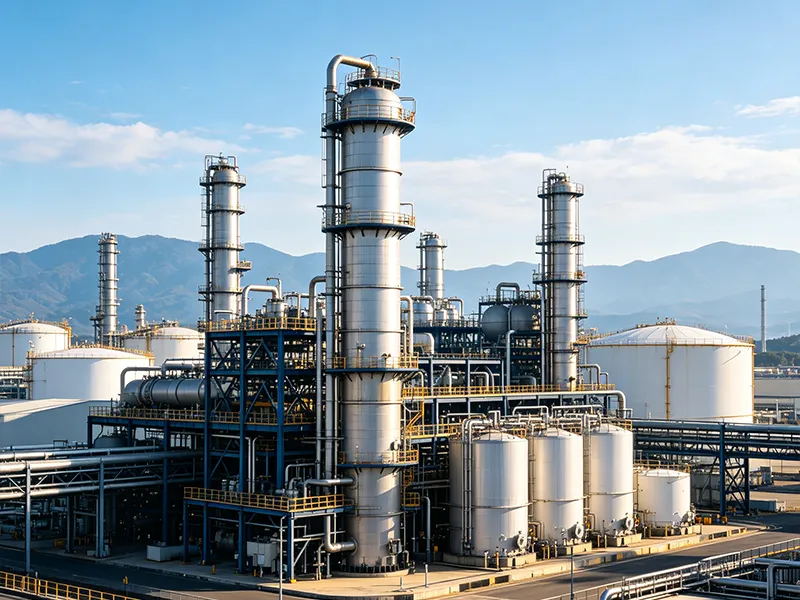
Purchase Pilot-Scale Reaction Evaluation Units from XINYU HUACHUANG for dependable pilot-scale reaction testing and process evaluation. These units bridge laboratory research and industrial production, enabling you to assess catalyst performance, reaction stability, material balance, and process feasibility under conditions that closely mirror real operation. Choose XINYU HUACHUANG for practical pilot-scale evaluation you can trust.
What Are Pilot-Scale Reaction Evaluation Units?
Pilot-Scale Reaction Evaluation Units are integrated experimental systems used for continuous or semi-continuous reaction evaluation at pilot scale. These units typically include feed preparation, reactor section, heating and temperature control, pressure regulation, separation and collection, instrumentation, safety protection and data acquisition.
They are suitable for catalyst screening, kinetic studies, process optimization, long-run stability tests, feedstock adaptability evaluation and scale-up verification. Compared with small laboratory reactors, pilot-scale units provide more representative residence time, heat and mass transfer behavior and operational stability.
What Should Be Considered Before and During Use?
Before operation, confirm that the unit configuration matches the intended reaction system, including temperature range, pressure rating, reactor type, feed properties, phase state, separation requirements and control accuracy. Check all piping connections, valves, instruments, sealing components and safety devices before startup.
During testing, follow the approved operating procedure and avoid sudden changes in temperature, pressure, flow rate or feed composition. For processes involving hydrogen, high pressure, corrosive media or toxic substances, risk assessment, operator training and emergency response measures should be prepared in advance.
Another consideration before and during use is the choice of equipment supplier. XINYU HUACHUANG, an original manufacturer of chemical pilot experimental equipment, has experience in design, engineering integration and customized system supply. Working directly with the manufacturer can provide clearer technical communication, more accurate configuration matching, greater flexibility during design adjustments, and more responsive after-sales support. In addition to Pilot-Scale Reaction Evaluation Units, we also offer Hydroprocessing Pilot Reaction Units, Batch Distillation Units and Special-Condition Custom Distillation Units. If your process requires special pressure levels, material selection, automation control or product separation configuration, our team can propose a suitable solution based on your process description.
What maintenance practices are recommended for the equipment?
Regular maintenance helps maintain experimental accuracy and extend service life. After each test or shutdown, clean the reactor, pipelines, separators and collection vessels according to the reaction medium. Remove residual catalyst, condensate or polymerized material when applicable.
Seals, gaskets, valves and fittings should be inspected regularly and replaced when wear or leakage is found. Temperature sensors, pressure gauges, flow meters and safety valves should be checked and calibrated periodically. For long-term storage, keep the system dry, sealed and protected from dust and corrosion.
Frequently Asked Questions
1. What is the difference between pilot-scale and laboratory-scale evaluation units?
Pilot-scale units operate at larger capacity and under conditions closer to industrial practice. They provide more representative data for residence time, heat transfer, mass transfer and long-term stability, supporting safer scale-up decisions.
2. Can the system be customized for different reaction types?
Yes. The unit can be configured according to reaction type, temperature and pressure range, feed mode, number of reaction zones, separation requirements and automation level.
3. What information is needed for configuration confirmation?
Typically, we need the reaction type, operating conditions, feed and product properties, expected throughput, material requirements, control preferences and installation constraints. Detailed process information helps improve configuration accuracy.
4. Do you provide technical support for overseas customers?
Yes. We provide technical consultation, operation guidance, spare parts supply and after-sales service. For international customers, we can also support export documentation, remote commissioning guidance and long-term maintenance advice.