Products
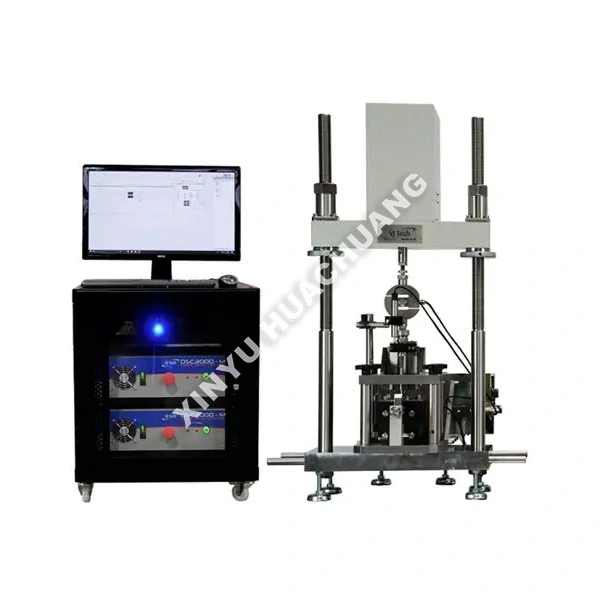
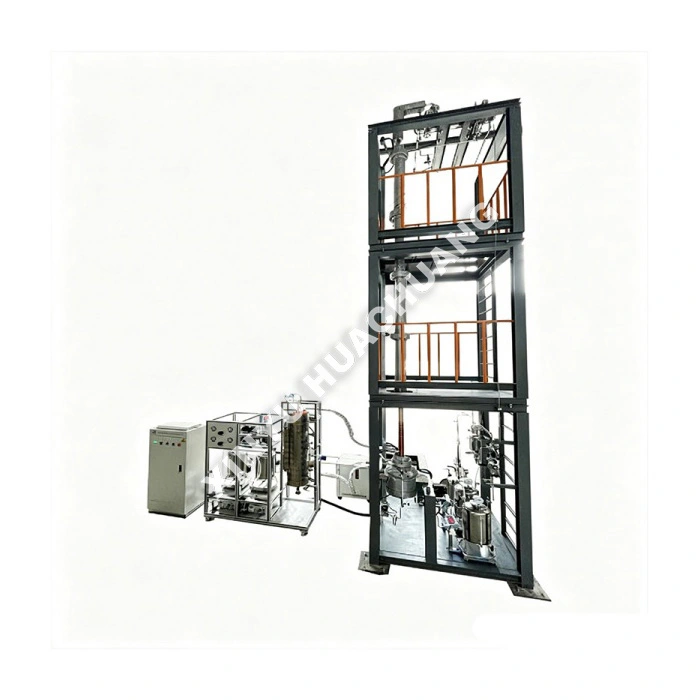
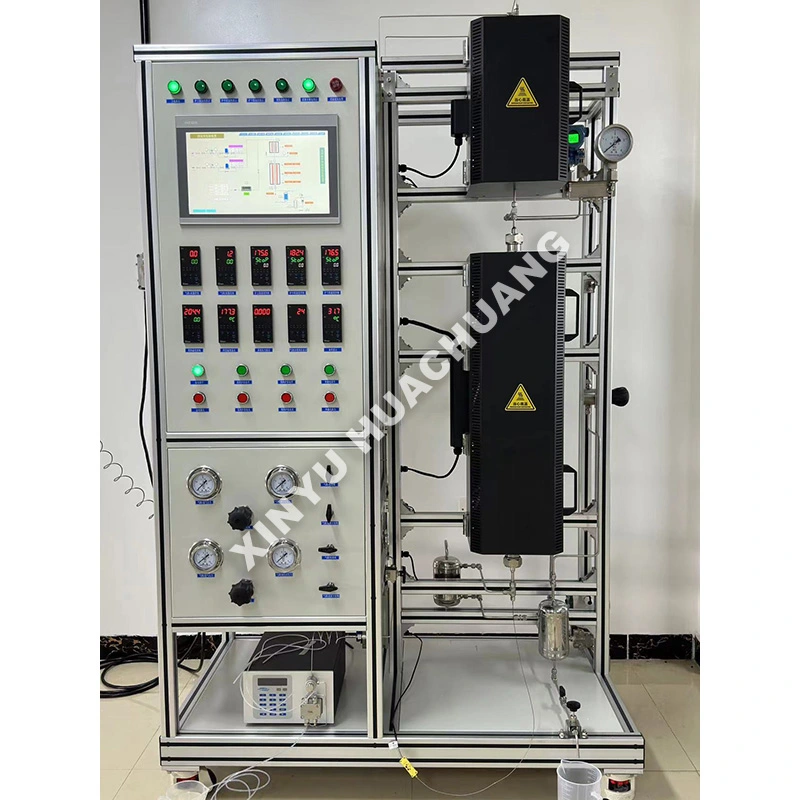
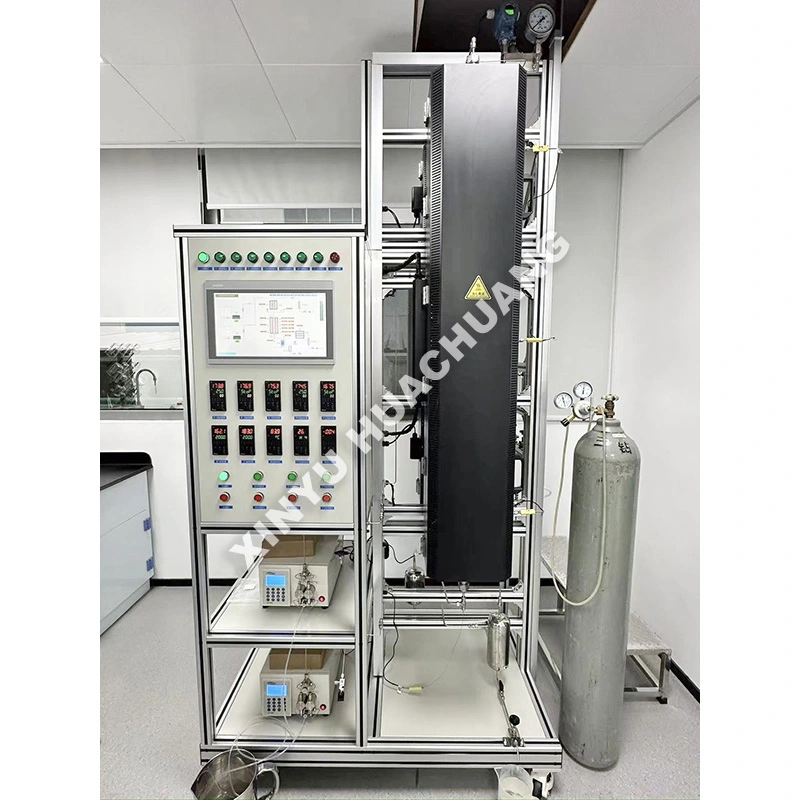
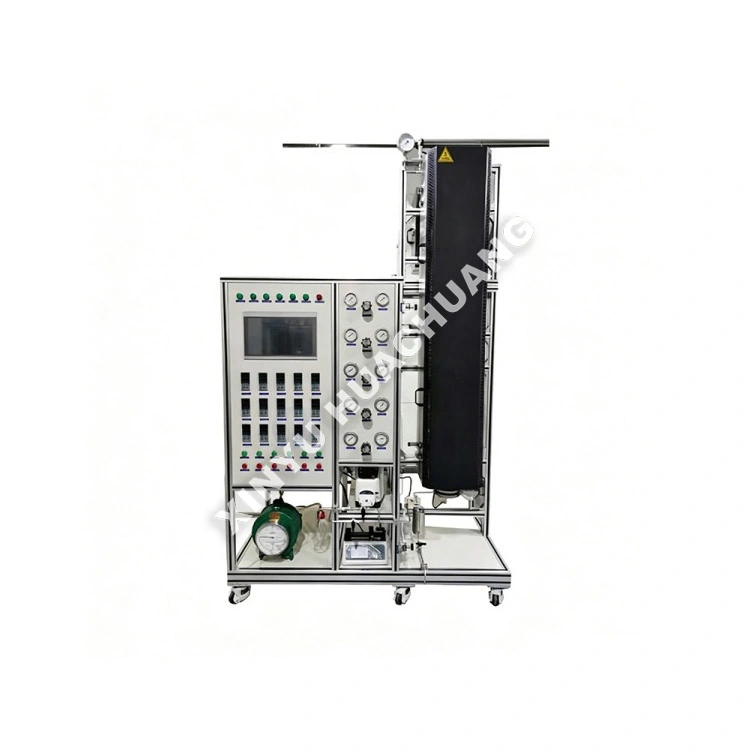
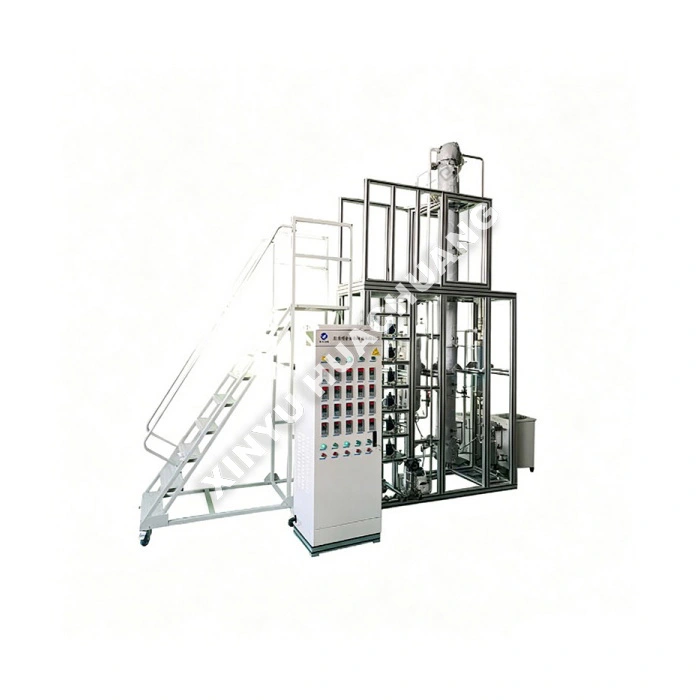
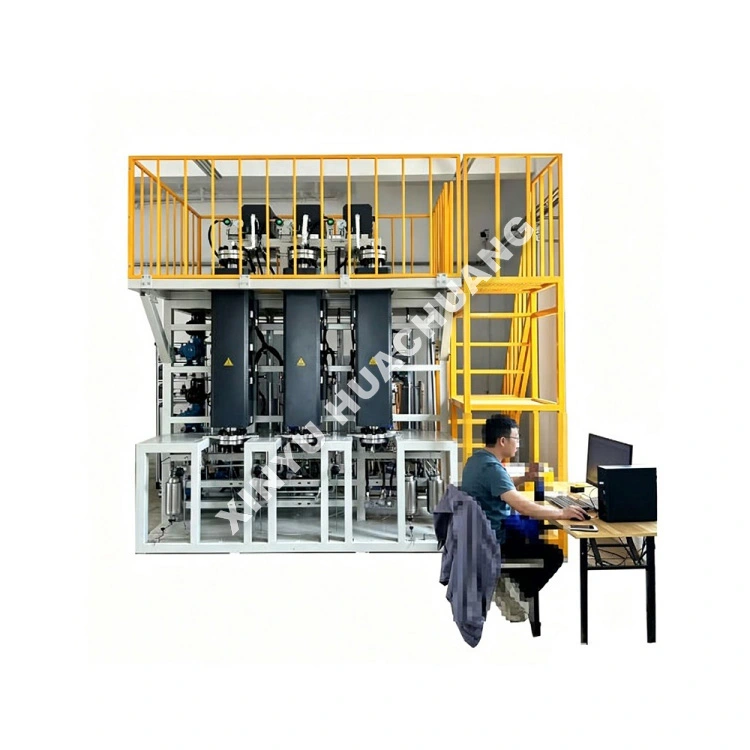
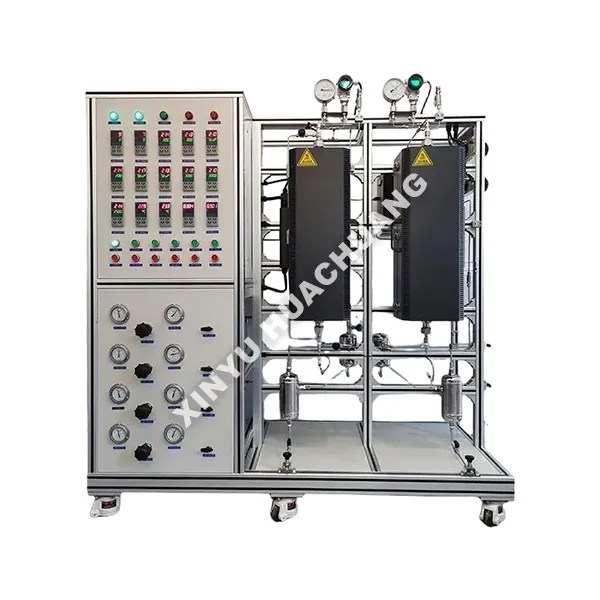
SNCR Reaction Evaluation Pilot Unit
  • SNCR Reaction Evaluation Pilot UnitSNCR Reaction Evaluation Pilot Unit
  • SNCR Reaction Evaluation Pilot UnitSNCR Reaction Evaluation Pilot Unit
  • SNCR Reaction Evaluation Pilot UnitSNCR Reaction Evaluation Pilot Unit
  • SNCR Reaction Evaluation Pilot UnitSNCR Reaction Evaluation Pilot Unit

SNCR Reaction Evaluation Pilot Unit

Still guessing your NOx reduction efficiency? XINYU HUACHUANG's SNCR Reaction Evaluation Pilot Unit precisely simulates the 850 to 1100°C noncatalytic reduction window, metering ammonia or urea solution right into the hot flue gas. As a professional chemical equipment manufacturer, we ensure online gas analysis delivers real time deNOx efficiency and NH3 slip data, so you can optimize dosing before scale up. Contact us with your flue gas composition for a tailored system.

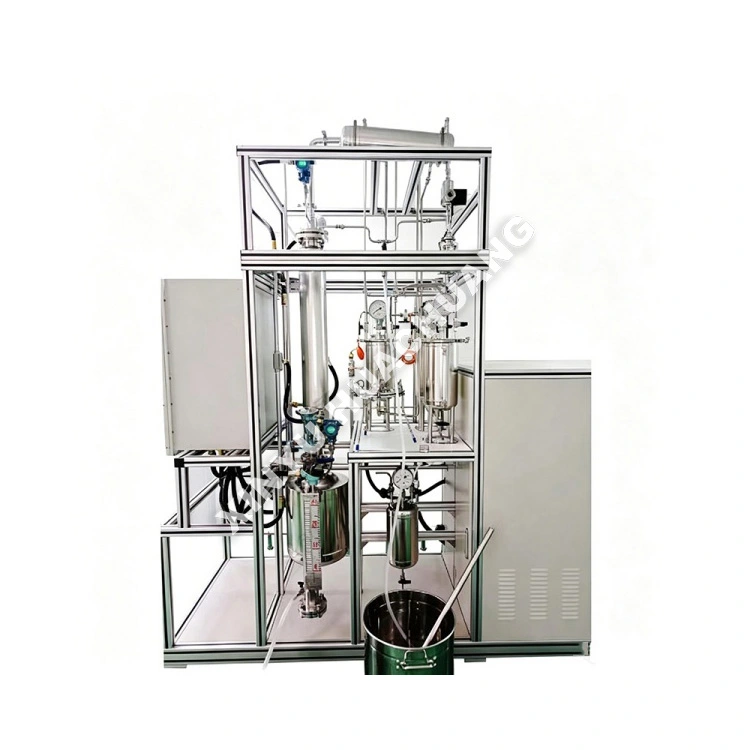
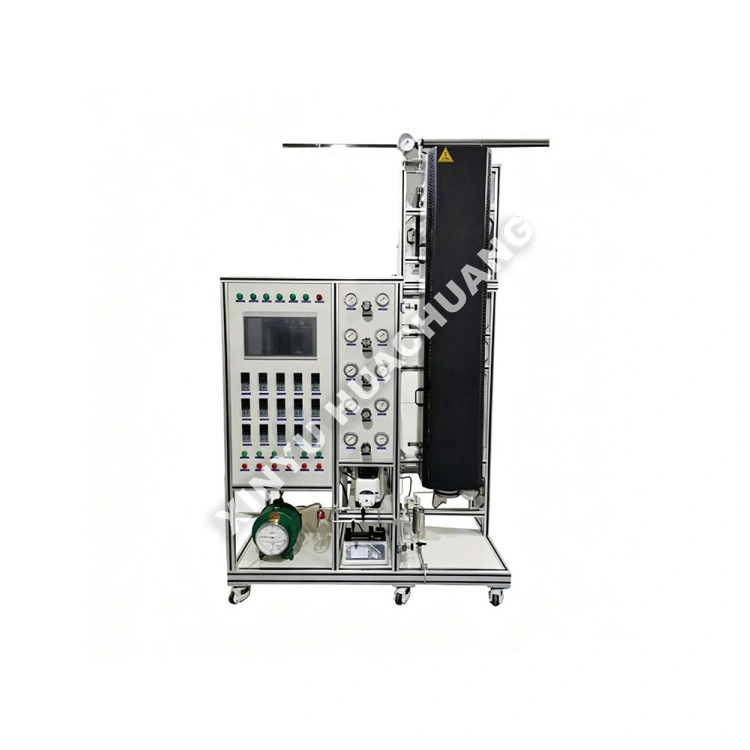
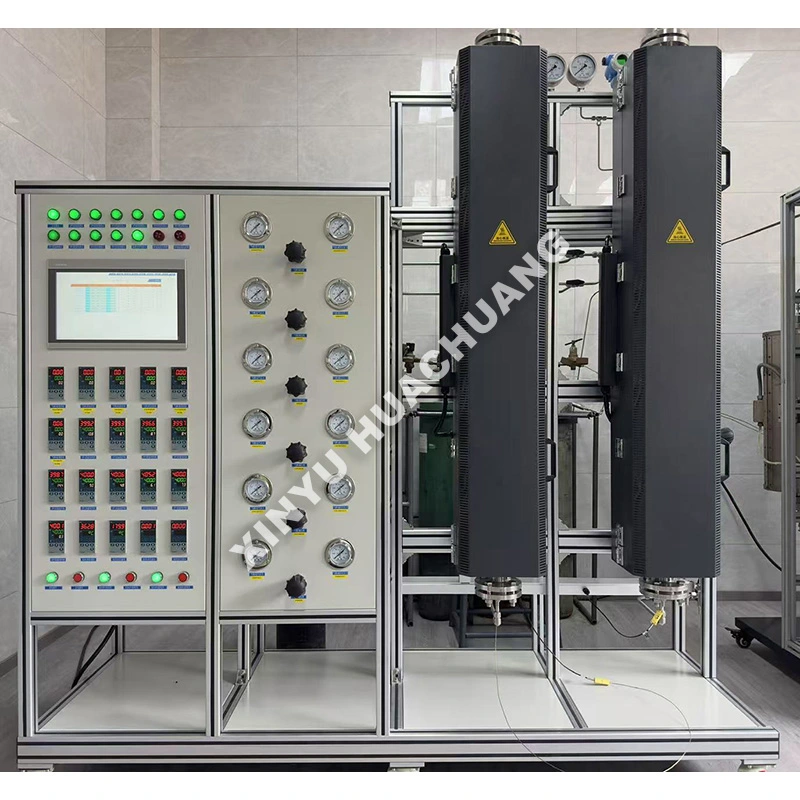
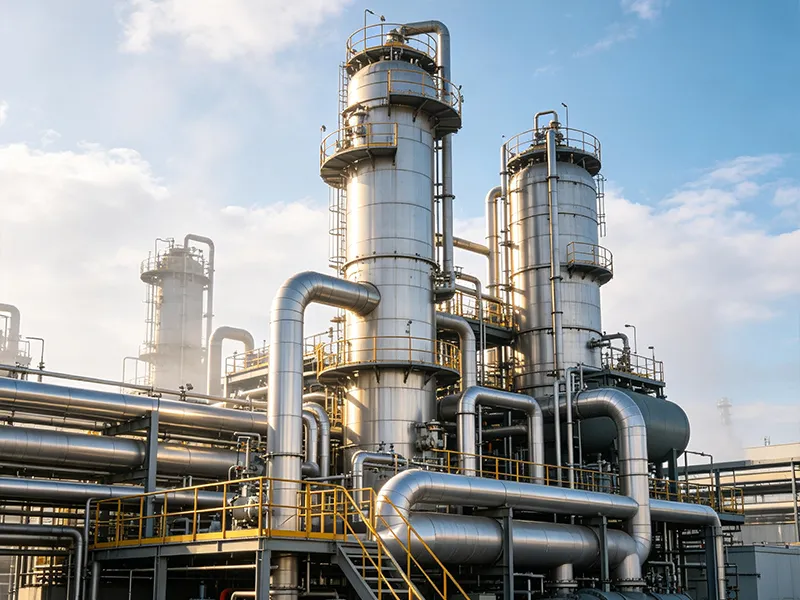
The XINYU HUACHUANG SNCR Reaction Evaluation Pilot Unit is an advanced, highly automated testing system specifically engineered to evaluate and optimize Selective Non-Catalytic Reduction processes. Designed to simulate real-world industrial flue gas environments, this unit accurately controls the critical temperature window, reagent injection rates, and gas flow dynamics. Equipped with intelligent PLC automation and advanced safety interlocks, the SNCR Reaction Evaluation Pilot Unit ensures safe, continuous operation while delivering highly reproducible data for NOx conversion efficiency and ammonia slip analysis. It is the ideal platform for optimizing emission control strategies and minimizing reagent consumption in power generation and industrial heating sectors.

Sncr Reaction Evaluation Pilot Unit

Working Principle

The unit operates by simulating the non-catalytic reduction of nitrogen oxides (NOx) within a specific high-temperature zone. Simulated flue gas containing NOx and oxygen is generated and preheated to the ideal temperature window of 850℃–1100℃. A precise metering pump injects a reducing agent (ammonia or urea solution) directly into this high-temperature reaction zone. The reagent rapidly thermally decomposes into Nh2, which then reacts with the NOx to form harmless nitrogen (N2) and water (H2O). The entire process is meticulously managed by the SNCR Reaction Evaluation Pilot Unit to maintain the exact temperature profile and reagent-to-NOx ratio, while an online gas analysis system continuously monitors the inlet and outlet gas composition to calculate real-time deNOx efficiency and ammonia slip rates.

What are the distinctive advantages?

● Precise Temperature Window Control: Advanced multi-zone PID heating ensures the reactor maintains the critical 850℃–1100℃ window with ±1℃ precision, which is the most vital factor for SNCR efficiency.

● Accurate Reagent Metering: High-precision liquid injection systems guarantee exact control over the ammonia/urea-to-NOx stoichiometric ratio, preventing excess reagent waste and ammonia slip.

● Intelligent PLC Automation: Centralized control system enables unattended long-term operation, automated data logging, historical curve generation, and real-time performance monitoring.

● Comprehensive Performance Evaluation: Capable of testing critical metrics including NOx conversion efficiency, ammonia slip, and the impact of varying gas residence times.

● Robust & Safe Design: Built with high-temperature, corrosion-resistant materials and multi-level safety interlocks (over-temperature, over-pressure, and gas-leak protection) to ensure safe operation during high-temperature testing.

Technical Specifications

Parameter

Specification

Operating Temperature

800℃ ~ 1200℃ (Precision ±1℃)

Operating Pressure

Atmospheric / Slight Negative Pressure

Reducing Agent Injection

High-Precision Liquid Metering Pump

Gas Flow Control

High-Precision Mass Flow Controllers (MFC)

Reactor Material

SS316L / Inconel / High-Temp Resistant Steel

Control System

Industrial PLC + PC Software Interface

Analyzer Interface

Compatible with Chemiluminescence Detector (CLD), FTIR, NDIR

Where does it apply?

● Power Generation: Performance evaluation and optimization of SNCR systems for coal-fired, gas-fired, and biomass power plants.

● Industrial Boilers & Furnaces: DeNOx process testing for cement kilns, steel mills, glass furnaces, and waste incinerators.

● Reagent Optimization: Studying the effects of different reducing agents (ammonia water, urea solutions) and injection strategies on NOx reduction.

● Environmental R&D: Fundamental kinetic research on non-catalytic reduction reactions and catalyst-free emission control technologies.

● Regulatory Compliance Testing: Verifying that emission control strategies meet stringent environmental regulations before full-scale implementation.

Usage Precautions

● Temperature Window Management: Always ensure the reactor reaches and stabilizes within the 850℃–1100℃ range before injecting the reducing agent. Injecting below this window causes ammonia slip; injecting above causes ammonia oxidation into NOx.

● Gas Safety & Ventilation: NOx and Nh2 are toxic gases. Always operate the unit in a well-ventilated area or under a fume hood, and ensure gas leak detectors are functional.

● Inert Purging: Always purge the reactor with an inert gas (N2) before heating and before introducing reactive gases to prevent unwanted oxidation or explosive mixtures.

● Condensation Prevention: Ensure all downstream sampling lines and exhaust pipes are properly heated or insulated to prevent water condensation and corrosion.

Maintenance Guide

● Daily: Check gas cylinder pressures, verify liquid reagent levels, and inspect the exhaust gas treatment system (e.g., scrubbers) to ensure safe emission discharge.

● Weekly/Monthly: Clean or replace liquid injection nozzles to prevent clogging from urea crystallization. Inspect reactor seals and tubing for any signs of high-temperature degradation or leaks.

● Quarterly: Calibrate mass flow controllers, liquid metering pumps, and temperature sensors to maintain testing accuracy. Check electrical connections in the PLC cabinet for tightness.

● Post-Operation: Always purge the system with inert gas and allow it to cool down naturally with gas flowing before shutting down to protect the reactor internals.

After-Sales Service & Support

At XINYU HUACHUANG, we are committed to providing comprehensive and reliable after-sales support to ensure the continuous and efficient operation of your equipment. Our dedicated service team is always ready to assist you.

Comprehensive Warranty Coverage

We proudly offer a two-year warranty for our equipment. During this period, we provide free maintenance and repair services for any quality-related issues, excluding those caused by improper operation, unauthorized modifications, or force majeure. For equipment beyond the two-year warranty period, we continue to offer lifelong maintenance services, charging only the cost of replacement parts and labor.

Rapid Response Mechanism

We offer 7×24 hours professional engineering telephone support. Upon receiving a fault notification, our technical team will respond within 24 hours and provide a viable solution. If on-site service is required, our professional engineers will arrive at your facility within one week. In special circumstances where the equipment cannot be repaired, we will unconditionally replace it with a new unit or provide a substitute unit during the two-year warranty period, or take necessary measures to restore normal operation.

Frequently Asked Questions (FAQ)

Q1: What temperature window does the SNCR Reaction Evaluation Pilot Unit simulate?

A: The unit replicates the non-catalytic reduction environment within the ideal temperature window of 850°C–1100°C. Simulated flue gas containing NOx and oxygen is generated and preheated to this range before reagent injection.

Q2: Which reducing agents can be injected into the reaction zone?

A: A precise metering pump injects ammonia or urea solution directly into the high-temperature zone. The reagent rapidly thermally decomposes into Nh2, which then reacts with NOx to form harmless nitrogen (N2) and water (H2O).

Q3: How does the unit calculate deNOx efficiency in real time?

A: An online gas analysis system continuously monitors the inlet and outlet gas composition. Based on these measurements, the unit calculates real-time deNOx efficiency and ammonia slip rates.

Q4: Why is ammonia slip monitoring important in SNCR research?

A: Unreacted ammonia escaping with the flue gas means wasted reagent and secondary pollution. By tracking ammonia slip while controlling the reagent-to-NOx ratio, the unit helps you find the optimal injection strategy.

Q5: Which key parameters does the system control during an evaluation run?

A: The unit meticulously manages the exact temperature profile and the reagent-to-NOx ratio throughout the test, ensuring that every SNCR evaluation is accurate and reproducible.


Send Inquiry
Contact Info
  • Address

    Unit 104, Building A, Factory D8 (East Zone), No. 1 Xuefu West Road, Xuefu Industrial Zone, Xiqing District, Tianjin, Hebei Province, China

Tell XINYU HUACHUANG your reaction type, temperature, pressure and analytical needs, and our team will reply within 24 hours with a tailored quote.
X
We use cookies to offer you a better browsing experience, analyze site traffic and personalize content. By using this site, you agree to our use of cookies. Privacy Policy
RejectAccept