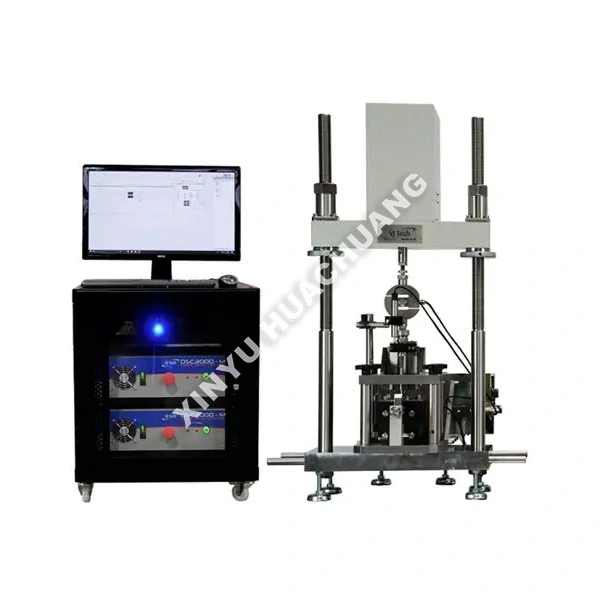
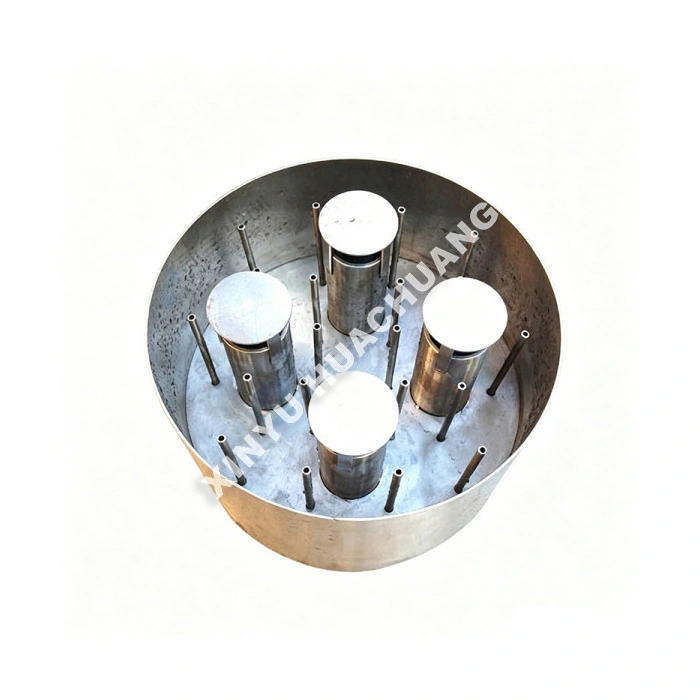
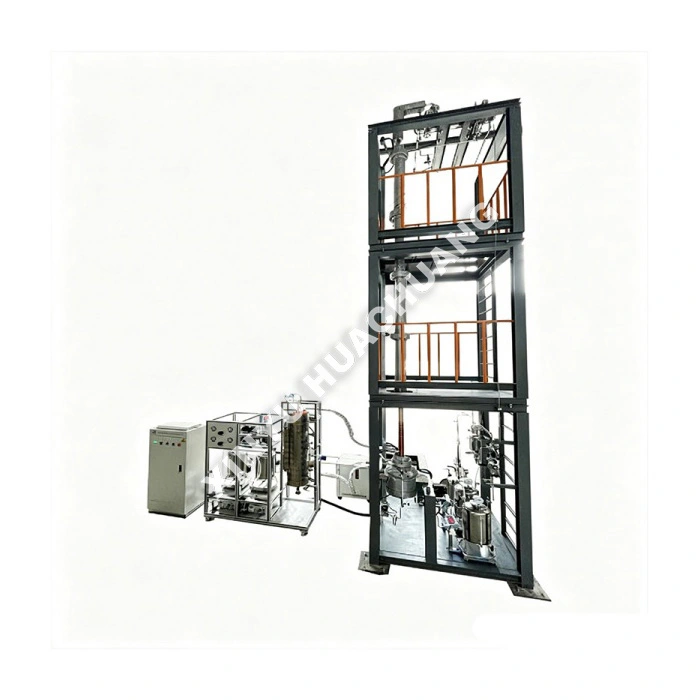
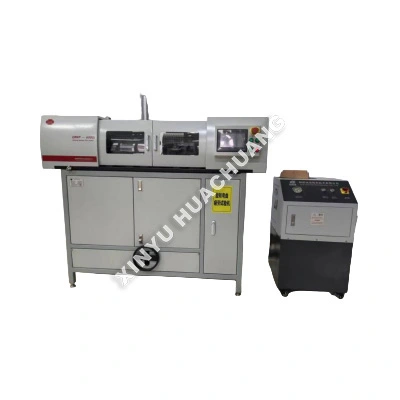
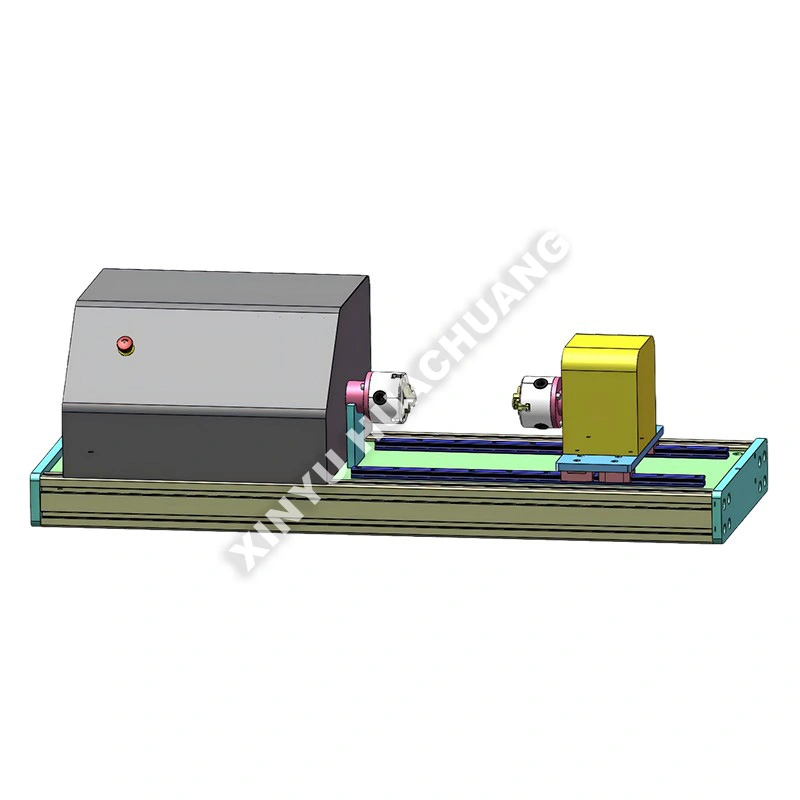
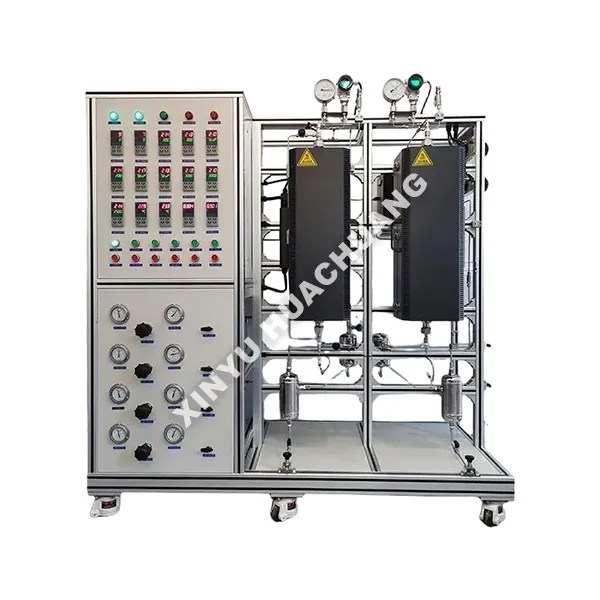
XINYU HUACHUANG provides Mechanical Performance Testing Machine systems for torsion testing, dynamic shear testing, and pipe fitting bending fatigue testing. These solutions support material evaluation, component validation, and structural performance verification in laboratory, pilot, and industrial testing environments.
What Is a Mechanical Performance Testing Machine?
A mechanical performance testing machine is a test system used to evaluate the mechanical behavior of materials, components or assemblies under controlled loading conditions. It can apply torsional, shear, bending, cyclic or combined loads to assess strength, stiffness, fatigue resistance, deformation and failure characteristics.
In this product category, the main systems include torsion testing machines for rotational and torque-related tests, dynamic shear testing devices for repeated shear loading evaluation, and pipe fitting bending fatigue testing machines for cyclic bending performance assessment of pipe fittings and similar components.
What Are the Main Application Areas?
Mechanical performance testing machines are widely used in material development, component qualification, quality control, failure analysis and structural reliability evaluation. Torsion testing is commonly applied to shafts, fasteners, couplings and rotational components. Dynamic shear testing helps evaluate bonding interfaces, layered structures and shear-sensitive materials. Pipe fitting bending fatigue testing is suitable for evaluating the cyclic bending resistance of pipe fittings, connectors and fluid-system components.
These systems are suitable for research institutions, quality laboratories, manufacturing enterprises and engineering teams that require repeatable and controllable mechanical testing.
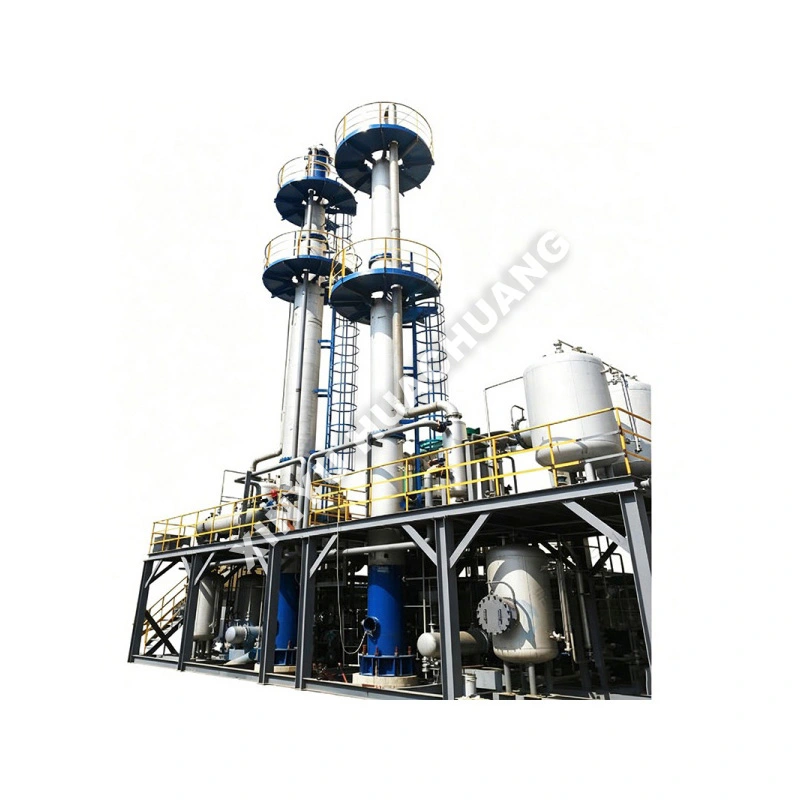
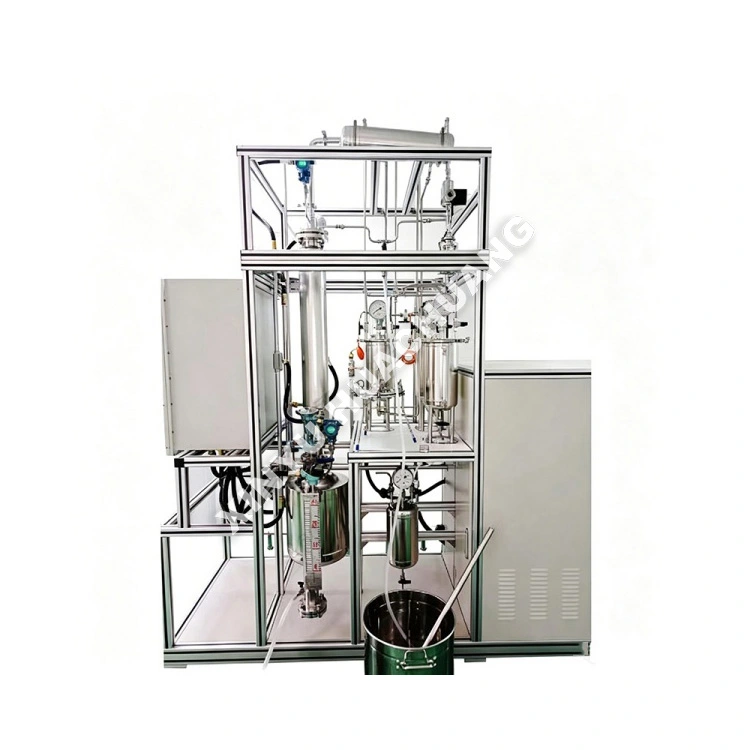
XINYU HUACHUANG is the original manufacturer of testing and experimental equipment, so customers can communicate directly with the production team for clearer technical confirmation, more accurate configuration matching and more responsive after-sales support. Besides mechanical performance testing machines, we also supply Pilot-Scale Reaction Evaluation Units, High-pressure and Adsorption-Desorption Reaction Units, Bearing Clearance Measuring Instruments and other experimental and testing systems.
How Is Production Arranged?
Production usually begins after confirming test objectives, specimen type, loading mode, force range, speed range and data acquisition requirements. Based on the application scenario, we provide a configuration proposal covering mechanical structure, sensor selection, control method and software functions.
After the proposal and commercial terms are confirmed, manufacturing, assembly and debugging are carried out. Before delivery, the system is checked for load accuracy, motion stability, safety protection and data recording performance. For international customers, export packaging, shipping documents and installation guidance can be arranged according to contract terms.
Frequently Asked Questions
1. What types of tests can these machines support?
They can support torsion testing, dynamic shear testing and pipe fitting bending fatigue testing, depending on the selected configuration. The specific test mode should be matched with specimen shape, loading direction and evaluation purpose.
2. Can the testing machine be customized?
Yes. Customization can be discussed based on specimen size, force range, frequency requirement, fixture design, environmental condition and data reporting needs. Custom configurations are helpful when standard models cannot fully meet the test scenario.
3. What information is needed for selection?
Typical information includes material or component type, expected load range, test speed or frequency, specimen dimensions, required accuracy and expected data output. These details help determine a suitable machine configuration.
4. Do you provide technical support after delivery?
Yes. As the original manufacturer, we can support customers with installation guidance, operation consultation, maintenance suggestions and configuration adjustment based on actual testing requirements.