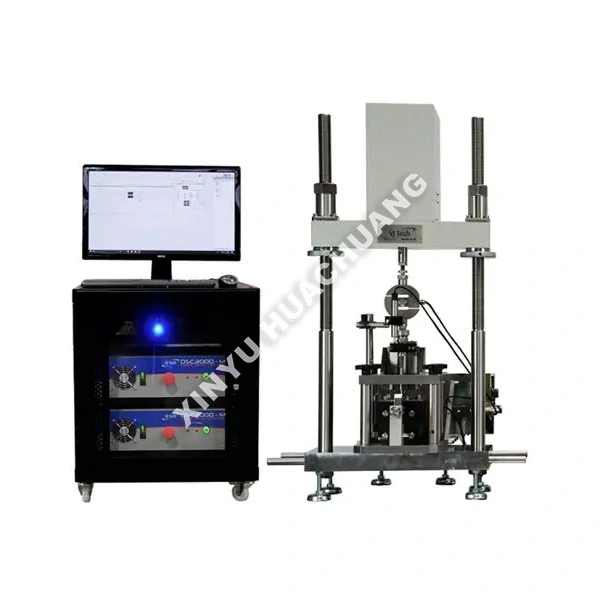
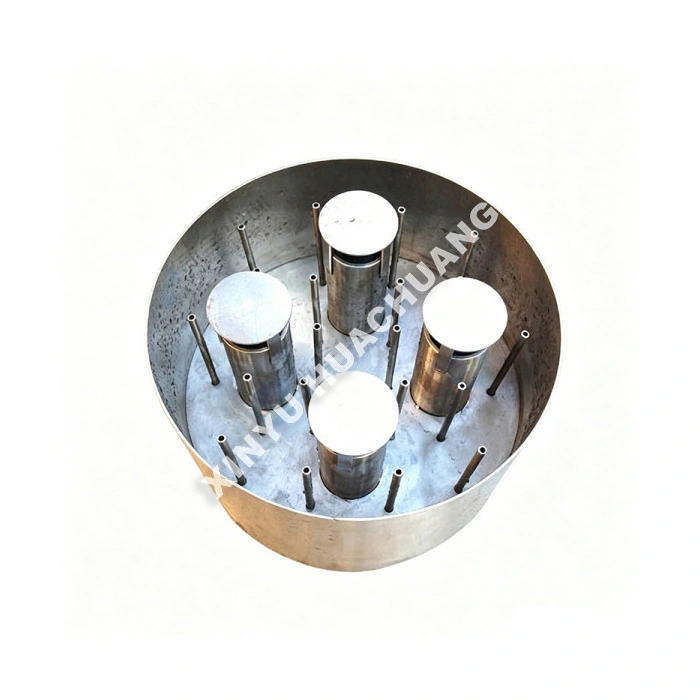
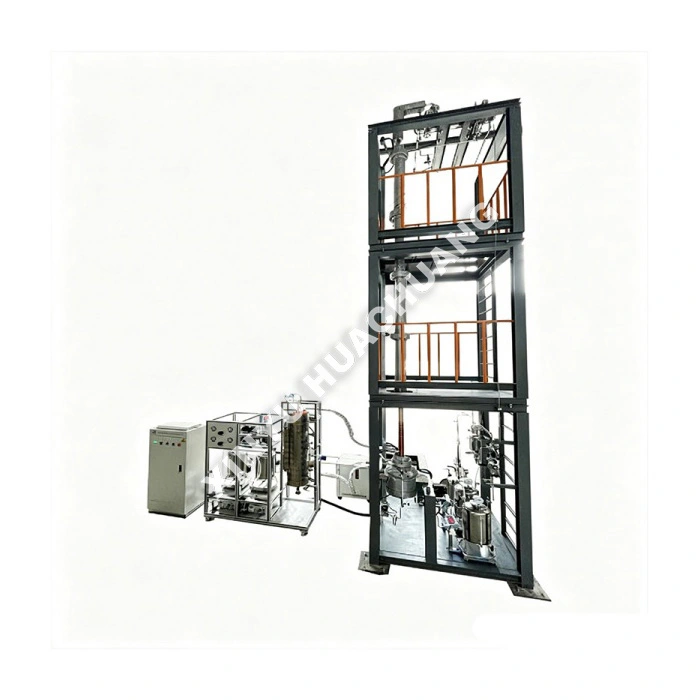
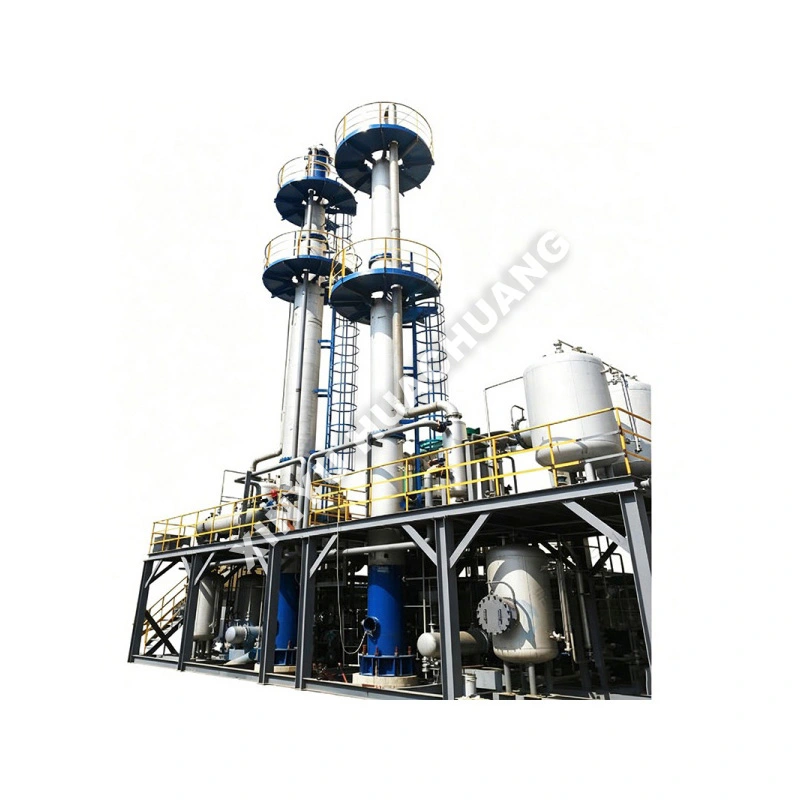
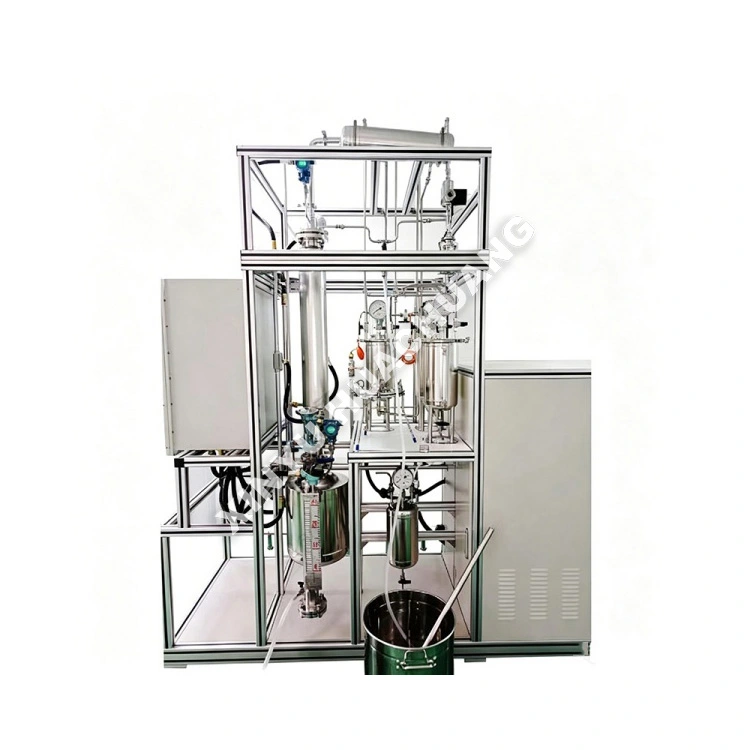
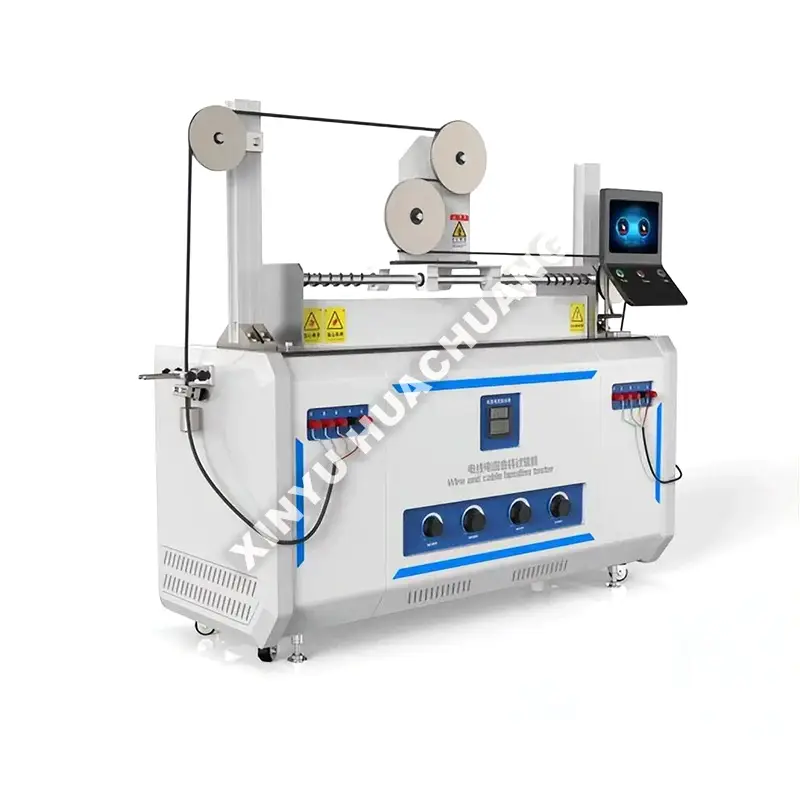
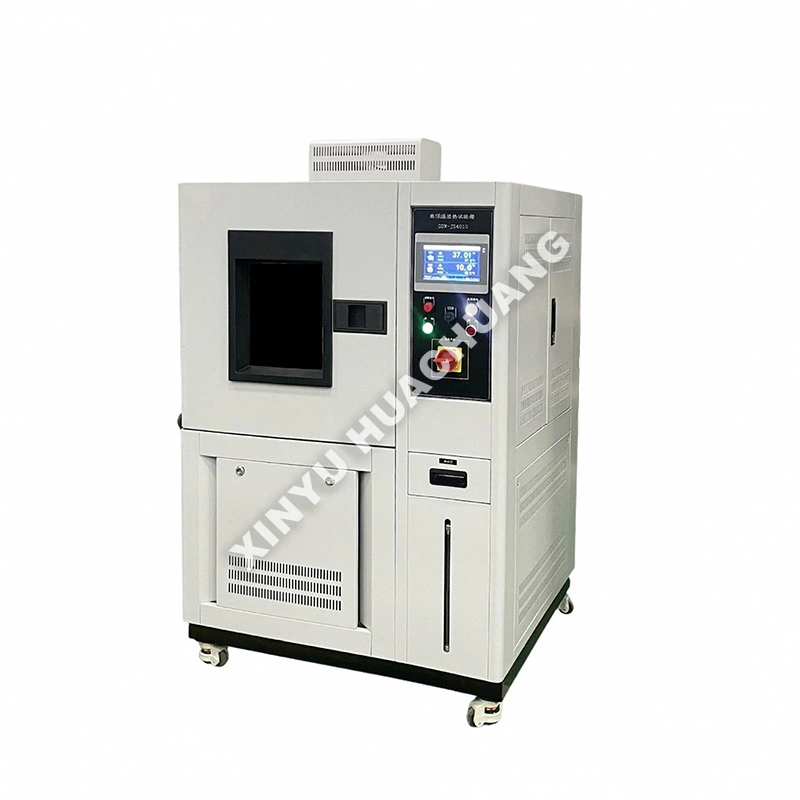
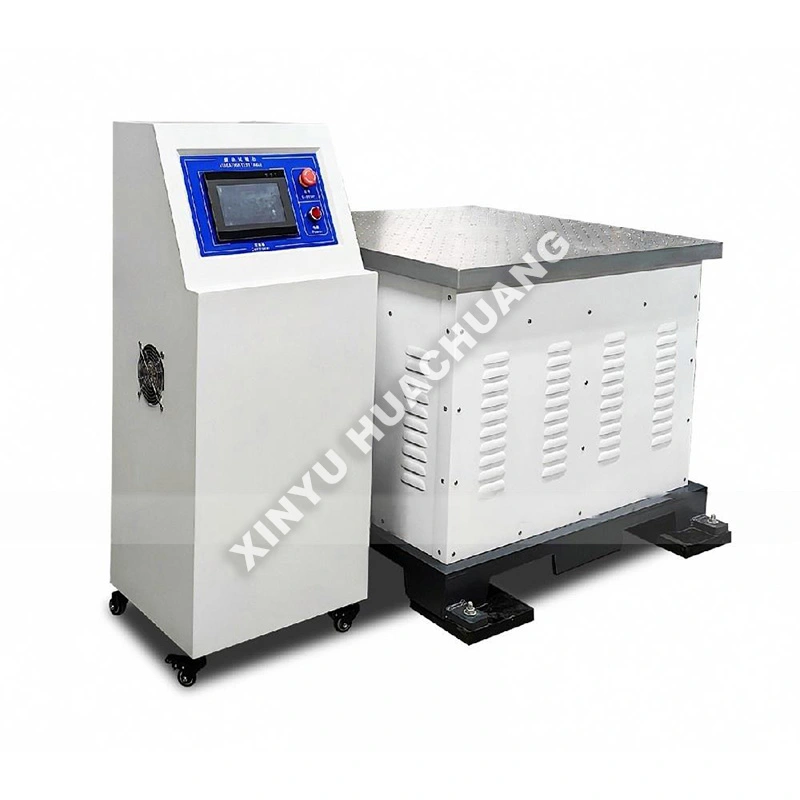
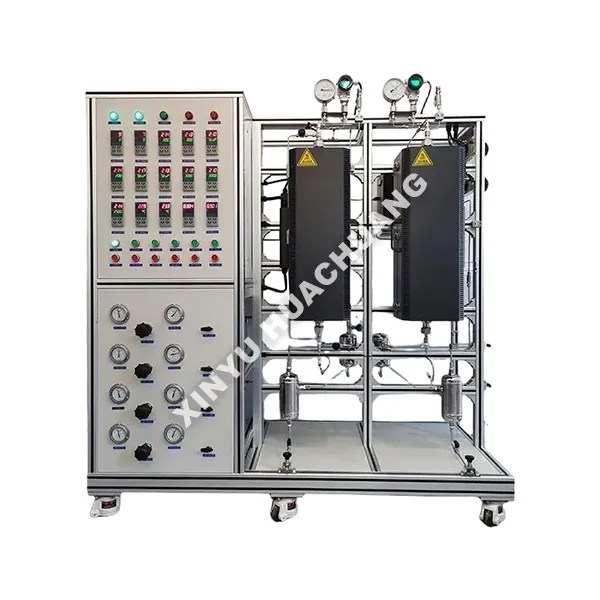
XINYU HUACHUANG supplies Comprehensive Stress Test Bench systems for high-temperature vibration testing, high-low temperature wire bending and winding testing, and room-temperature wire bending and winding testing. These Comprehensive Stress Test Bench solutions support evaluation of the mechanical, thermal and electrical reliability of wires, cables, connectors and related components under combined stress conditions.
What Is a Comprehensive Stress Test Bench?
A comprehensive stress test bench is a testing system designed to apply multiple stress factors to specimens during evaluation. Instead of testing only one condition, it can combine mechanical movement with temperature or vibration environments to simulate more realistic service scenarios.
This product category typically includes high-temperature vibration test benches, high-low temperature wire bending and winding test benches, and room-temperature wire bending and winding test benches. These systems are suitable for assessing vibration resistance, bending fatigue, winding durability and performance stability of wire and cable assemblies.
How Do These Test Benches Work?
High-temperature vibration test benches apply controlled vibration while maintaining an elevated temperature environment. This allows customers to observe whether specimens show loosening, contact failure, insulation degradation or structural fatigue under combined thermal and mechanical stress.
High-low temperature wire bending and winding test benches repeatedly bend or wind specimens under temperature-controlled conditions. The system can evaluate changes in conductor integrity, insulation performance and connection reliability after cyclic mechanical action.
Room-temperature wire bending and winding test benches perform similar bending and winding tests without temperature cycling. They are commonly used for routine quality inspection, product comparison and baseline mechanical durability evaluation.
During operation, test parameters should be matched with specimen type, bending radius, winding speed, vibration frequency, temperature range and evaluation criteria. Clear test objectives help improve result comparability and avoid unnecessary specimen damage.
As the original manufacturer of comprehensive stress test benches, XINYU HUACHUANG gives customers direct access to its production team for discussing test requirements, confirming parameters, and receiving support throughout installation and commissioning. This factory-level supply model also simplifies coordination of fixture design, temperature range, vibration mode, and data acquisition to match actual testing needs.
Besides comprehensive stress test benches, we also supply Bearing Clearance Measuring Instruments, Environmental and Reliability Test Chambers, Mechanical Performance Testing Machines and other testing and experimental systems.
How Are the Systems Packed and Shipped?
Comprehensive stress test benches are usually packed according to size, weight and structure. Key components such as vibration platforms, temperature chambers, bending fixtures and control units are protected to reduce transportation risk.
For domestic delivery, we arrange safe packaging and logistics coordination. For international customers, export packaging, shipping documents and delivery terms can be confirmed according to the contract. Before shipment, the system is checked for appearance, dimensions, electrical connections, safety protection and accessory completeness.
Frequently Asked Questions
1. What is the difference between high-temperature vibration testing and wire bending testing?
High-temperature vibration testing focuses on vibration performance under elevated temperature, while wire bending and winding testing evaluates repeated mechanical deformation. The two methods assess different failure modes and application scenarios.
2. Can the test bench be customized for specific wires or cables?
Yes. Fixture size, bending radius, winding speed, vibration frequency, temperature range and control mode can be discussed based on specimen specifications and test standards.
3. What information is needed for selection?
Typical information includes specimen type, outer diameter, bending or winding requirements, temperature range, vibration mode, test cycle and expected data output. These details help determine a suitable configuration.
4. Do you provide after-sales support?
Yes. As the original manufacturer, we can provide installation guidance, operation consultation, maintenance recommendations and technical support based on the selected test bench configuration.