Products
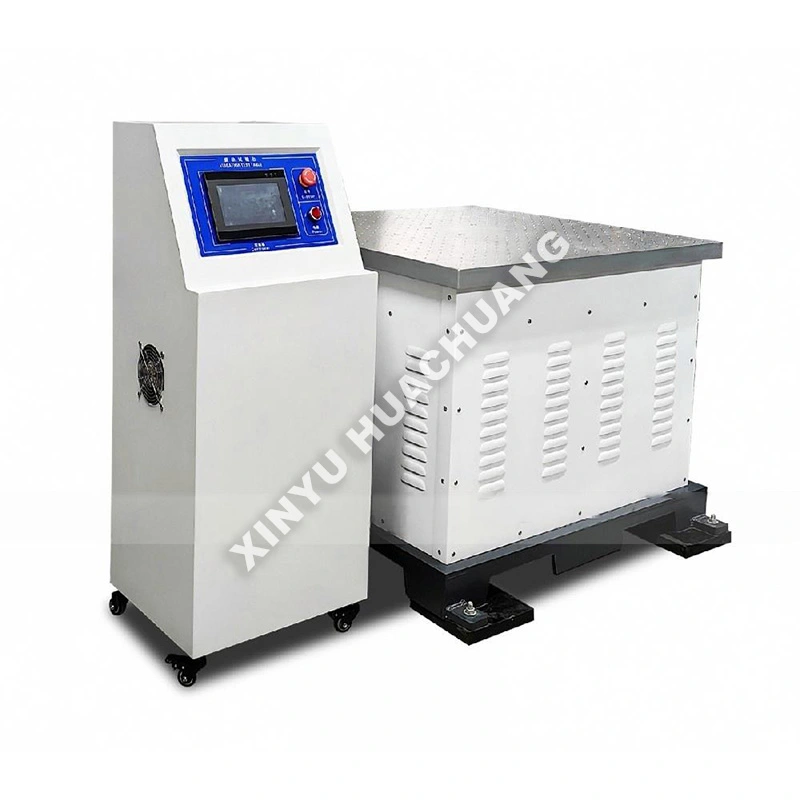
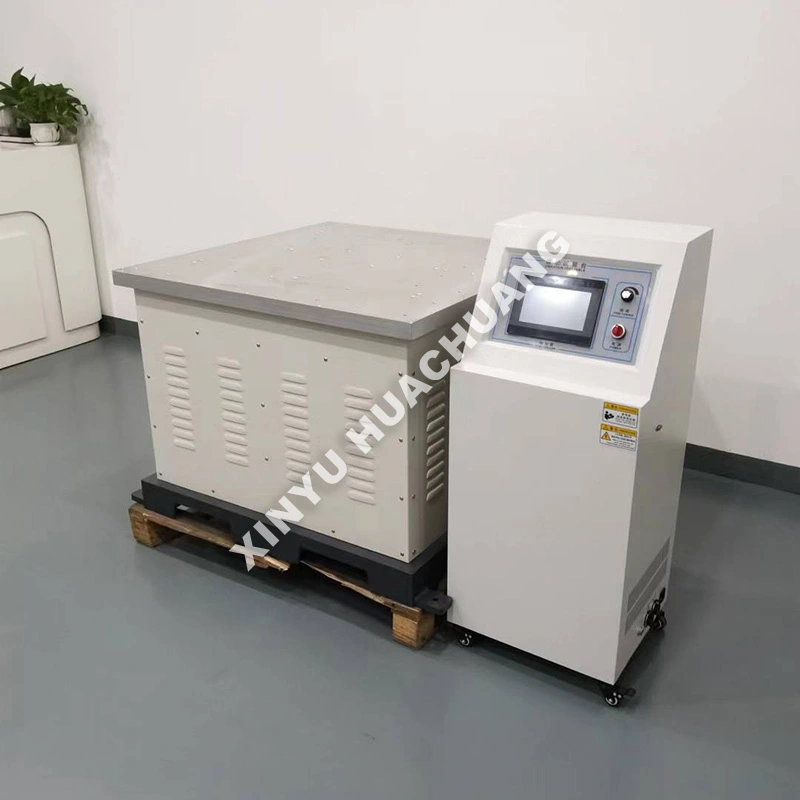
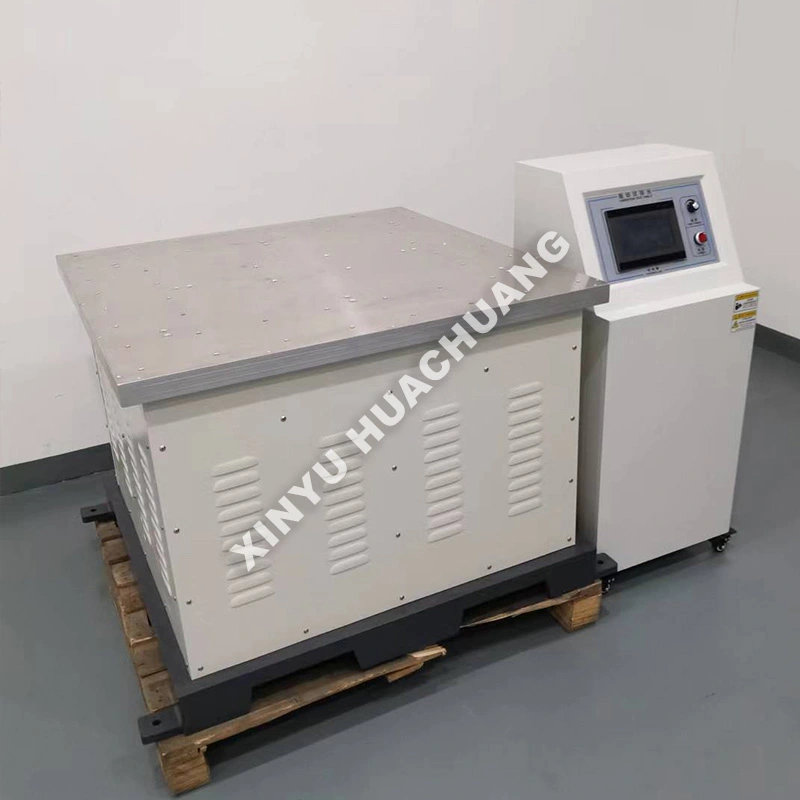
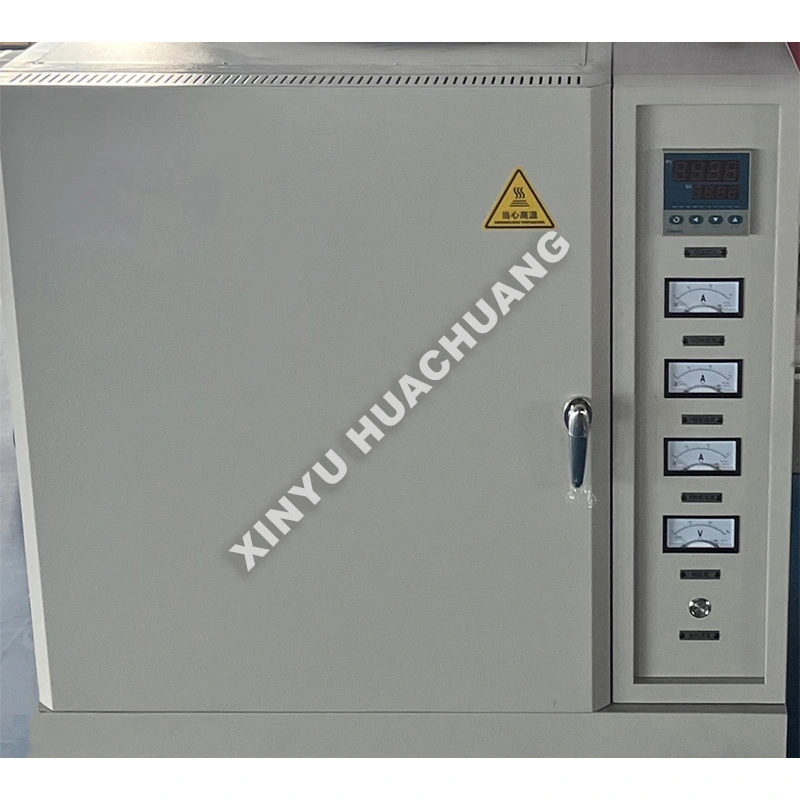
High-Temperature Vibration Test Bench
  • High-Temperature Vibration Test BenchHigh-Temperature Vibration Test Bench
  • High-Temperature Vibration Test BenchHigh-Temperature Vibration Test Bench
  • High-Temperature Vibration Test BenchHigh-Temperature Vibration Test Bench
  • High-Temperature Vibration Test BenchHigh-Temperature Vibration Test Bench

High-Temperature Vibration Test Bench

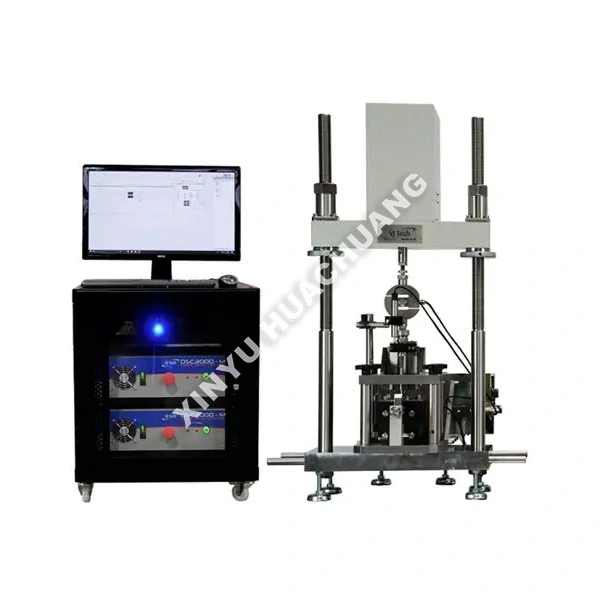
Vibration or heat alone cannot replicate engine exhaust or turbine environments. XINYU HUACHUANG's High-Temperature Vibration Test Bench combines both: an electrodynamic or hydraulic exciter applies controlled vibration while an integrated enclosure maintains elevated temperatures. This dual-environment approach reveals thermal fatigue, resonance shifts, and creep that single-environment tests miss. Aerospace and automotive engineers use this data for real-world validation.

    The XINYU HUACHUANG High-Temperature Vibration Test Bench is an advanced, industrial-grade testing apparatus specifically engineered to evaluate the structural integrity and performance of components under simultaneous high-temperature and mechanical vibration stresses. Designed to simulate extreme operational environments, this High-Temperature Vibration Test Bench precisely applies multi-axis dynamic loads while maintaining accurate thermal conditions. Equipped with intelligent PLC automation and multi-level safety interlocks, it ensures safe, unattended long-term operation while delivering highly reproducible data for R&D, quality control, and aerospace/automotive certification.

    High Temperature Vibration Test Bench

    What is a High-Temperature Vibration Test Bench?

    A High-Temperature Vibration Test Bench is a specialized combined-environment testing system that integrates an electrodynamic or hydraulic vibration exciter with a high-temperature heating enclosure. By simultaneously applying controlled mechanical vibrations and elevated temperatures, this High-Temperature Vibration Test Bench accurately simulates real-world conditions such as engine exhaust systems, turbine blades, and electronic components in aerospace or automotive applications. It is critical for identifying failure mechanisms like thermal fatigue, resonance shifts, and material creep under dynamic thermal loads.

    Technical Specifications

    Parameter

    Specification

    Max Vibration Force

    1 kN ~ 100 kN (Customizable)

    Temperature Range

    RT ~ 1000℃ (Precision ±2℃)

    Vibration Axes

    Single-axis / Multi-axis (Customizable)

    Frequency Range

    5 Hz ~ 3000 Hz

    Heating Method

    Electric Resistance / Induction Heating

    Control System

    Industrial PLC + PC Software Interface

    Test Standards

    MIL-STD-810, ISO 16750, DO-160

    Safety Features

    Over-temp, Over-vibration, Emergency Stop

    What Can It Do for You?

    ● Combined Environment Simulation: Precisely synchronizes high-temperature heating with multi-axis vibration to replicate real-world thermal-mechanical stresses.

    ● High-Precision Control: Features advanced PID temperature controllers and electrodynamic shakers for accurate and stable test conditions.

    ● Intelligent Data Acquisition: Integrated PC software automatically records real-time curves (Temperature-Time, Vibration-RMS), calculates key parameters, and generates comprehensive test reports.

    ● Robust & Safe Construction: Built with high-temperature insulation, thermal shielding, and multi-level safety interlocks to protect both the equipment and operators.

    ● Customizable Fixturing: Offers specialized high-temperature fixtures and adapters to securely hold various specimen geometries without interfering with vibration modes.

    Usage Precautions

    ● Thermal Equilibrium: Always allow the heating enclosure to reach thermal equilibrium before initiating vibration to prevent thermal shock to the specimen.

    ● Fixture Resonance: Verify that the fixture's natural frequency is well above the test frequency range to avoid amplification and inaccurate results.

    ● Sensor Placement: Ensure thermocouples and accelerometers are properly secured and shielded from direct radiation to obtain accurate readings.

    ● Cool-Down Protocol: Always follow a controlled cool-down cycle after testing to prevent thermal damage to the shaker armature or specimen.

    Common Mistakes vs. Correct Methods

    ● Mistake: Ignoring thermal expansion during fixture design. Correct Method: Always account for material thermal expansion coefficients when designing high-temperature fixtures to prevent specimen slippage or stress concentrations.

    ● Mistake: Overloading the shaker at high temperatures. Correct Method: Consult the shaker's derating curve, as maximum force capacity decreases significantly at elevated temperatures.

    ● Mistake: Placing sensors near heating elements. Correct Method: Position sensors away from direct heat sources and use radiation shields to ensure accurate temperature and vibration measurements.

    Shipping & Packaging

    ● Professional Packaging: The High-Temperature Vibration Test Bench is securely packed in fumigation-free export-standard wooden crates with shock-absorbing foam and moisture-proof wrapping.

    ● Component Fixation: The shaker, heating enclosure, and control cabinet are firmly braced to prevent vibration damage during ocean or air freight.

    ● Documentation: Comprehensive English operation manuals, electrical schematics, and a detailed packing list are included in a waterproof document pouch.

    ● Global Logistics: We support EXW, FOB, CIF, and DDP terms, providing reliable door-to-door delivery services to testing facilities worldwide.

    Follow-up service

    At XINYU HUACHUANG, we are committed to providing comprehensive and reliable after-sales support to ensure the continuous and efficient operation of your equipment. Our dedicated service team is always ready to assist you.

    Comprehensive Warranty Coverage

    We proudly offer a two-year warranty for our equipment. During this period, we provide free maintenance and repair services for any quality-related issues, excluding those caused by improper operation, unauthorized modifications, or force majeure. For equipment beyond the two-year warranty period, we continue to offer lifelong maintenance services, charging only the cost of replacement parts and labor.

    Rapid Response Mechanism

    We offer 7×24 hours professional engineering telephone support. Upon receiving a fault notification, our technical team will respond within 24 hours and provide a viable solution. If on-site service is required, our professional engineers will arrive at your facility within one week. In special circumstances where the equipment cannot be repaired, we will unconditionally replace it with a new unit or provide a substitute unit during the two-year warranty period, or take necessary measures to restore normal operation.

    Frequently Asked Questions (FAQ)

    Q1: Why is it important to test vibration and temperature simultaneously rather than separately?

    A: Many components—such as engine exhaust systems, turbine blades, and power electronics—experience both mechanical vibration and elevated temperatures at the same time in service. Testing them separately misses the synergistic failure mechanisms, such as thermal fatigue accelerated by vibration or creep-induced resonance shifts, that only appear under combined loading.

    Q2: What types of vibration profiles can the test bench generate?

    A: The electrodynamic or hydraulic vibration exciter can generate sine, random, sine-on-random, and shock vibration profiles across a wide frequency range. Combined with the programmable temperature profile, the bench can replicate virtually any real-world dynamic thermal environment.

    Q3: What temperature range does the heating enclosure cover?

    A: The high-temperature heating enclosure typically covers ambient to 800°C or higher, depending on configuration. Precise temperature control with uniform distribution ensures that the entire specimen experiences the target thermal environment while vibration is simultaneously applied.

    Q4: Which failure mechanisms can this bench identify that single-environment tests cannot?

    A: The bench identifies synergistic failure modes such as thermal fatigue cracking accelerated by dynamic stress, resonance frequency shifts caused by temperature-dependent material stiffness changes, and material creep under combined thermal and dynamic loads. These mechanisms remain hidden when vibration and temperature are tested independently.

    Q5: Which industries and applications rely on combined high-temperature vibration testing?

    A: Aerospace (turbine blades, engine mounts, exhaust nozzles), automotive (exhaust manifolds, catalytic converters, turbocharger housings), and power generation (gas turbine components, boiler tube supports) all require combined-environment testing to validate component reliability before deployment.


    Send Inquiry
    Contact Info
    • Address

      Unit 104, Building A, Factory D8 (East Zone), No. 1 Xuefu West Road, Xuefu Industrial Zone, Xiqing District, Tianjin, Hebei Province, China

    Tell XINYU HUACHUANG your reaction type, temperature, pressure and analytical needs, and our team will reply within 24 hours with a tailored quote.
    X
    We use cookies to offer you a better browsing experience, analyze site traffic and personalize content. By using this site, you agree to our use of cookies. Privacy Policy
    RejectAccept