News

Pilot-scale Fixed-bed Reaction Apparatus Validates Continuous Chemical Processes for Industrial Scale-up

2026-09-20 0 Leave me a message

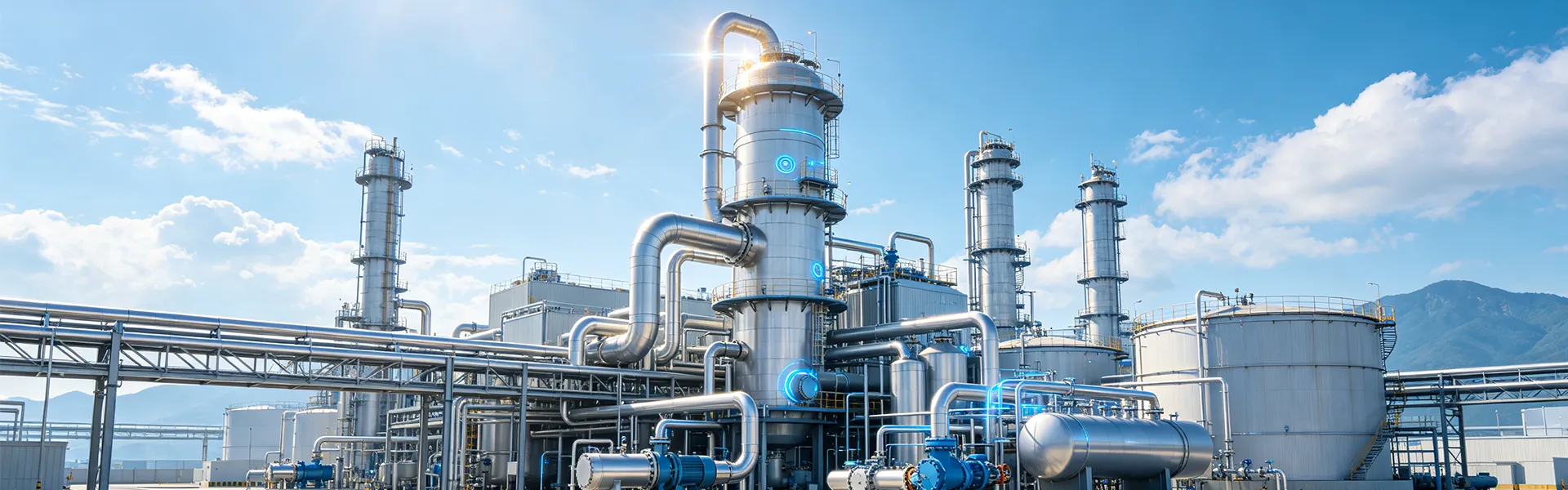
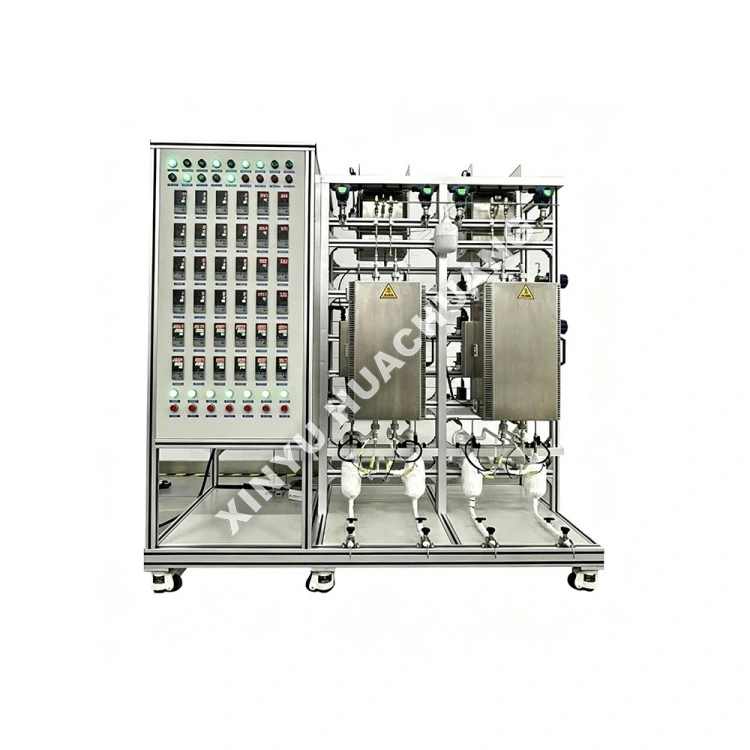
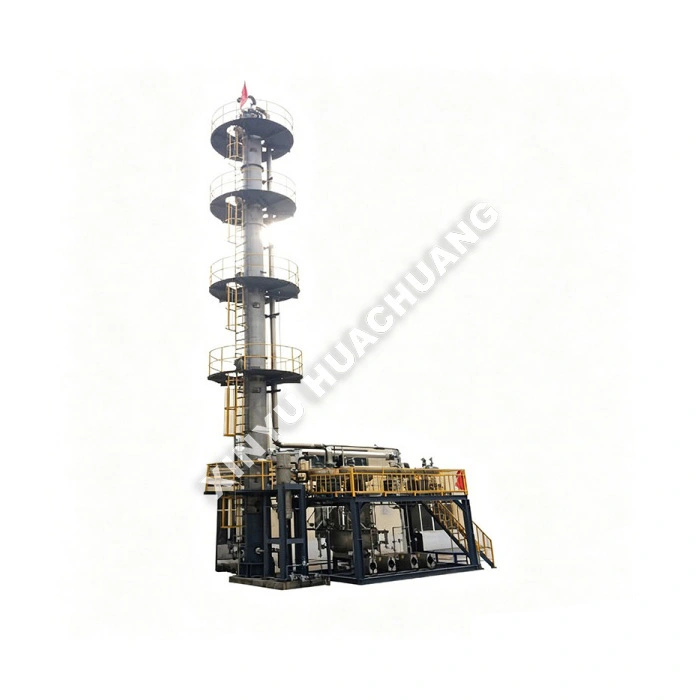
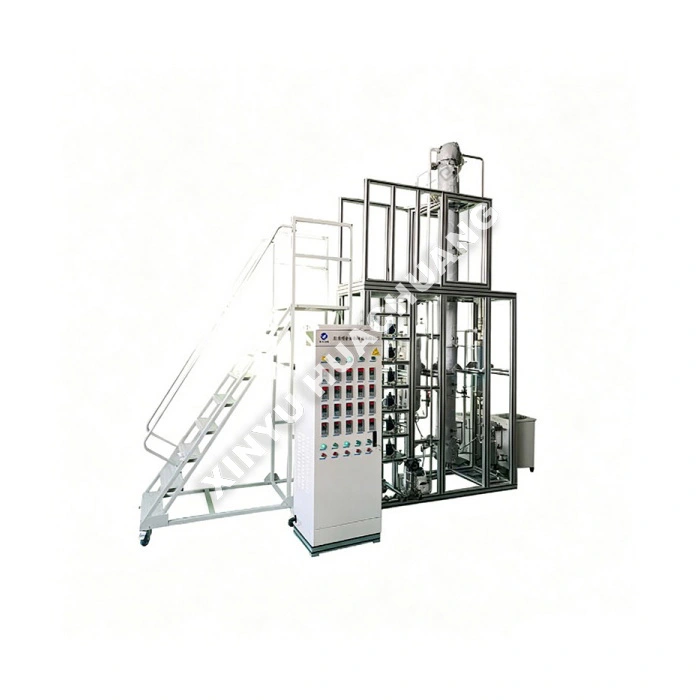
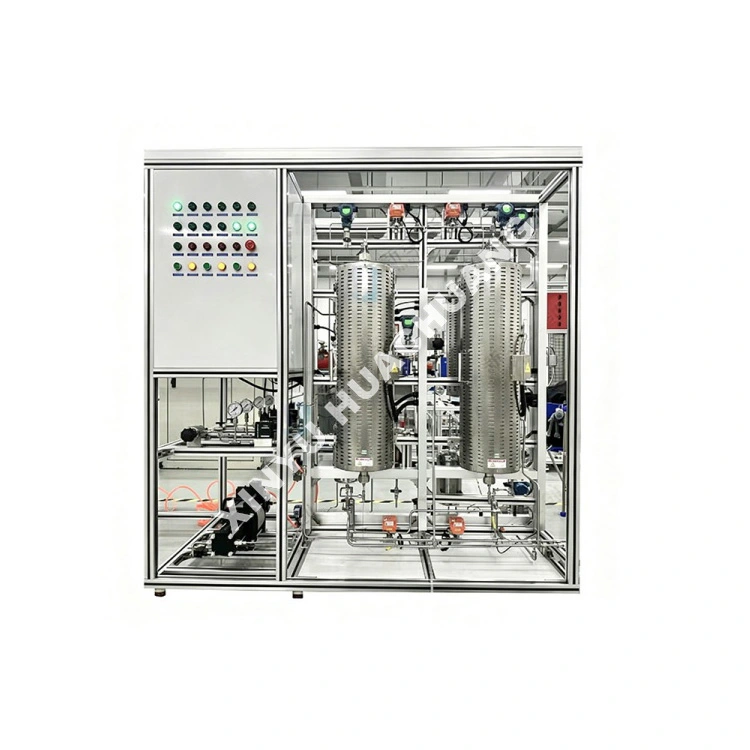
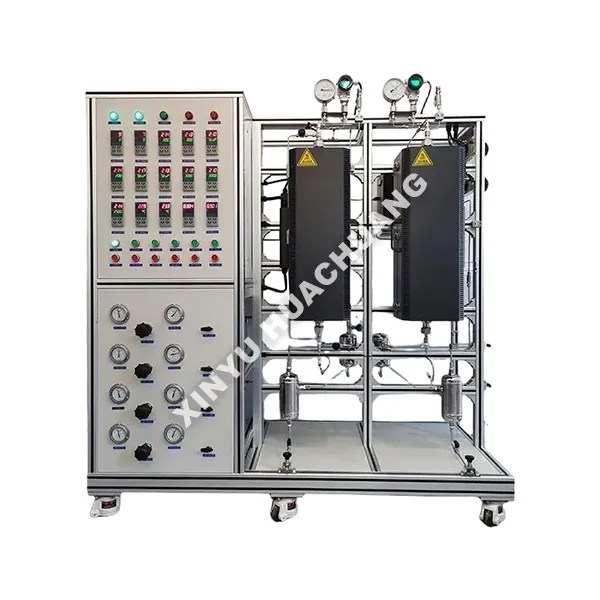
Chemical technology transfer from laboratory discoveries to commercial production is a complex, high-risk process. A pilot-scale fixed-bed reaction apparatus provides a critical intermediate testing stage, helping process engineers verify continuous reaction performance, heat transfer behavior and pressure drop characteristics before large plant construction. This type of equipment is widely adopted in petrochemical, hydrogenation, hydrocarbon reforming and environmental catalysis research.

Different from small laboratory reactors, the pilot-scale fixed-bed reaction apparatus uses industrial-style catalyst packing and continuous feed streams. It can mimic the hydrodynamic features inside full-size fixed-bed reactors, revealing potential issues such as hot spot formation, catalyst channeling and bed compression that cannot be observed in microreactors. Engineers can run long-duration continuous runs to evaluate catalyst life, system stability and the influence of feed impurity on reaction outcomes. Data collected from the pilot apparatus forms the foundation for process design, equipment sizing and operation manual compilation for commercial plants.

The apparatus supports automatic closed-loop control of temperature, pressure and feed dosage. Online analytical instruments continuously monitor the composition of outlet streams, so researchers can track how reaction selectivity changes over operating time. This real-time monitoring capability is especially valuable for catalytic hydrogenation, hydrodesulfurization and other high-pressure exothermic reactions. By adjusting operating parameters on the pilot-scale fixed-bed reaction apparatus, teams can optimize process recipes to boost product purity while lowering energy consumption.

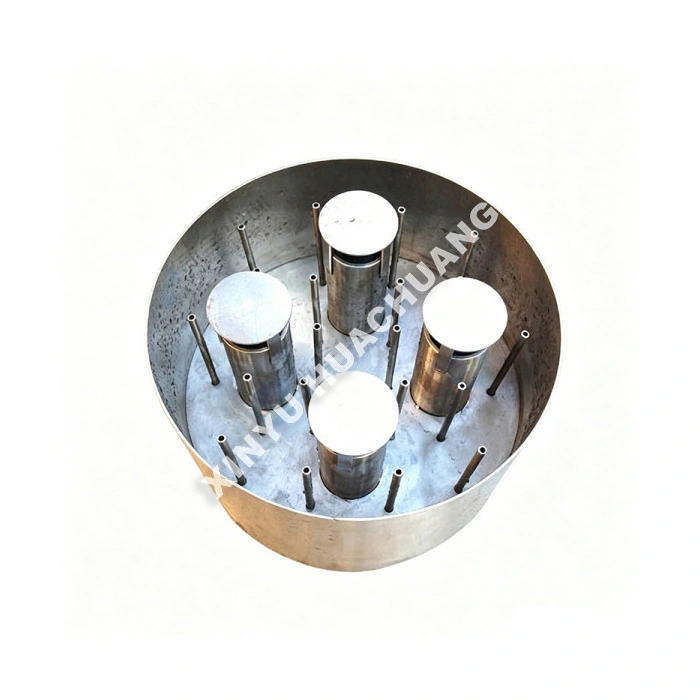
Modular design improves the flexibility of the pilot-scale fixed-bed reaction apparatus. Users can swap reactor tubes, modify catalyst loading volumes and reconfigure feed systems to test different reaction routes. This adaptability makes the equipment suitable for custom R&D projects for specialty chemicals and new energy materials. In addition, the system includes comprehensive safety interlocks to handle runaway reaction risks during long-time continuous operation.

As the global chemical industry transitions to low-carbon manufacturing, pilot fixed-bed facilities are increasingly used to test CO₂ hydrogenation, bio-oil upgrading and green hydrogen chemical processes. The pilot-scale fixed-bed reaction apparatus reduces investment risks for chemical enterprises. Reliable pilot data avoids costly mistakes in full-scale plant investment and accelerates the industrialization of advanced chemical technologies.


Related News
Leave me a message
X
We use cookies to offer you a better browsing experience, analyze site traffic and personalize content. By using this site, you agree to our use of cookies. Privacy Policy
RejectAccept