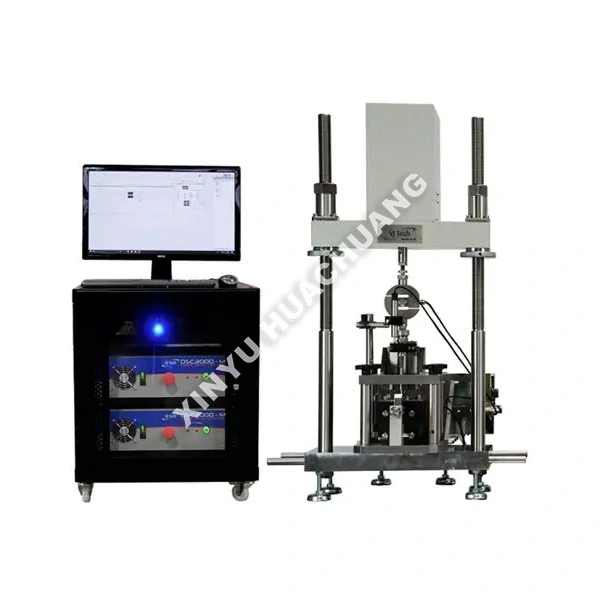
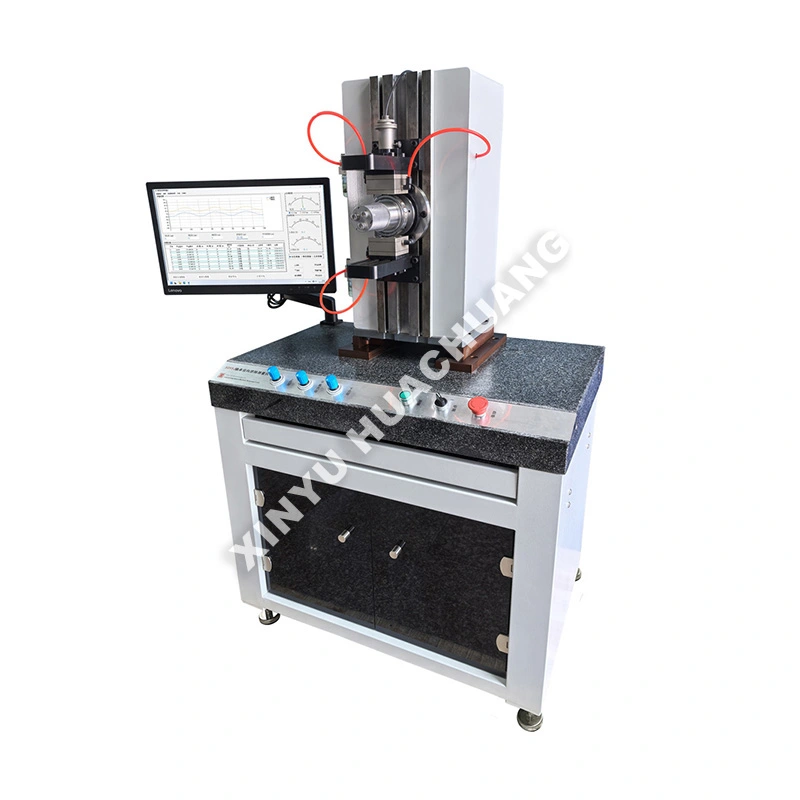
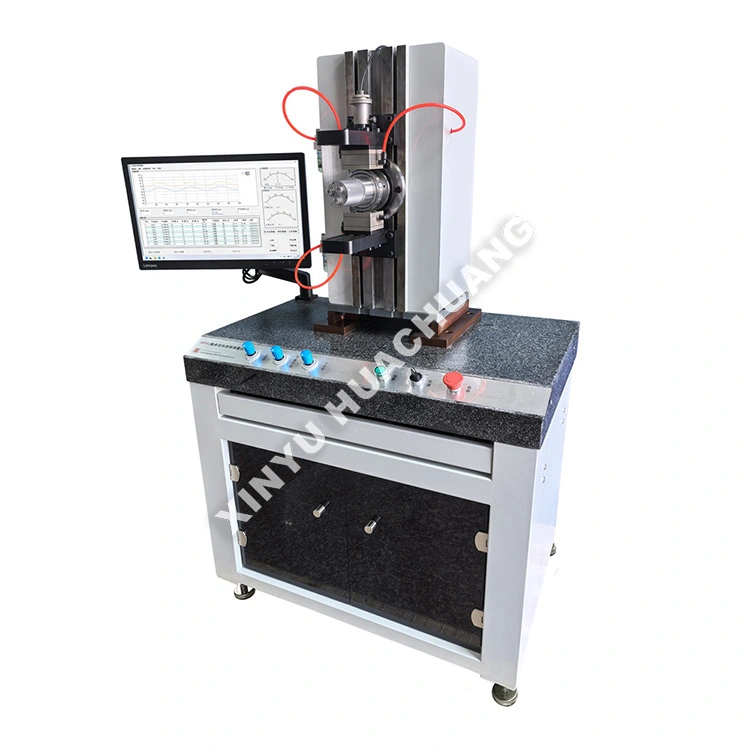
Designed for measuring the radial and axial clearance of rolling bearings, the Bearing Clearance Measuring Instrument systems from XINYU HUACHUANG allow users to verify bearing internal clearance, support quality inspection, and obtain dependable data for bearing assembly and performance evaluation.
What Is a Bearing Clearance Measuring Instrument?
A bearing clearance measuring instrument is a test device used to measure the internal clearance of bearings under defined loading and positioning conditions. Bearing clearance affects running accuracy, vibration, temperature rise, load distribution and service life, so accurate measurement is important for bearing production, inspection and application verification.
This product category mainly includes bearing radial clearance measuring instruments and bearing axial clearance measuring instruments. Radial clearance measuring instruments evaluate clearance in the radial direction, while axial clearance measuring instruments evaluate clearance along the bearing axis.
How to Choose a Suitable Bearing Clearance Measuring Instrument?
When selecting a bearing clearance measuring instrument, the first step is to confirm whether radial clearance, axial clearance or both need to be measured. Bearing type, size range, accuracy requirement, measurement method and data output format should also be considered.
For bearing manufacturers, inspection laboratories and assembly workshops, stable measurement repeatability, clear display, reliable fixtures and easy operation are usually key factors. If the instrument needs to handle multiple bearing sizes, adjustable fixtures and flexible positioning structures can improve testing efficiency.
As the original manufacturer, XINYU HUACHUANG enables customers to confirm measurement range, fixture compatibility, accuracy level and data recording requirements directly with the production team. This factory-level supply helps match the instrument with actual bearing types, inspection standards and workshop conditions, and also provides timely assistance during installation and operation.
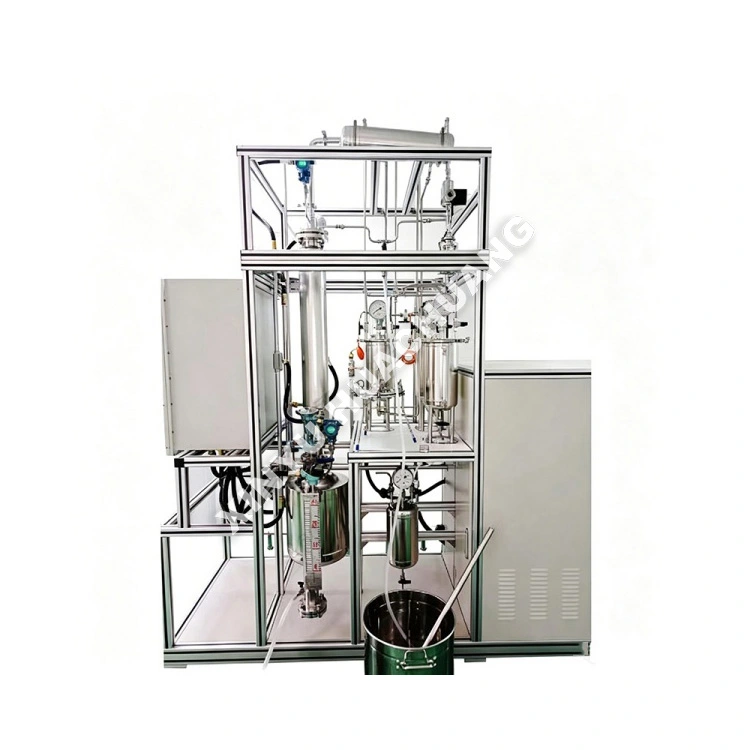
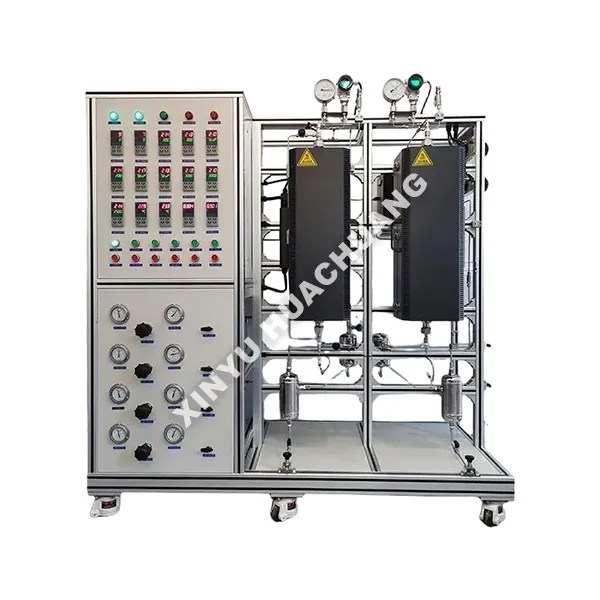
In addition to bearing clearance measuring instruments, we also supply Environmental and Reliability Test Chambers, Mechanical Performance Testing Machines, Comprehensive Stress Test Benches and other testing and experimental systems.
How Is the Procurement Process Arranged?
The procurement process usually starts with confirming bearing type, size range, clearance direction, accuracy requirement and expected data output. Based on these details, we provide a configuration proposal and quotation.
After the proposal and commercial terms are confirmed, the instrument is prepared, assembled and checked. Before delivery, measurement stability, fixture positioning, display function and accessory completeness are verified. For export orders, packaging, shipping documents and delivery terms can be arranged according to the contract.
Frequently Asked Questions
1. What is the difference between radial and axial clearance measurement?
Radial clearance measurement evaluates bearing internal clearance in the radial direction, while axial clearance measurement evaluates clearance along the axial direction. The selection depends on bearing structure, application requirement and inspection standard.
2. Can the instrument measure different bearing sizes?
Many bearing clearance measuring instruments can be configured with adjustable fixtures or replaceable positioning parts to cover different bearing sizes. The applicable size range should be confirmed according to customer requirements.
3. What information is needed for selection?
Typical information includes bearing type, inner and outer diameter range, clearance direction, required accuracy, measurement environment and expected data output. These details help determine a suitable instrument configuration.
4. Do you provide technical support after delivery?
Yes. As the original manufacturer, we can provide operation guidance, maintenance suggestions, fixture adjustment support and technical consultation based on the selected instrument configuration.