Products
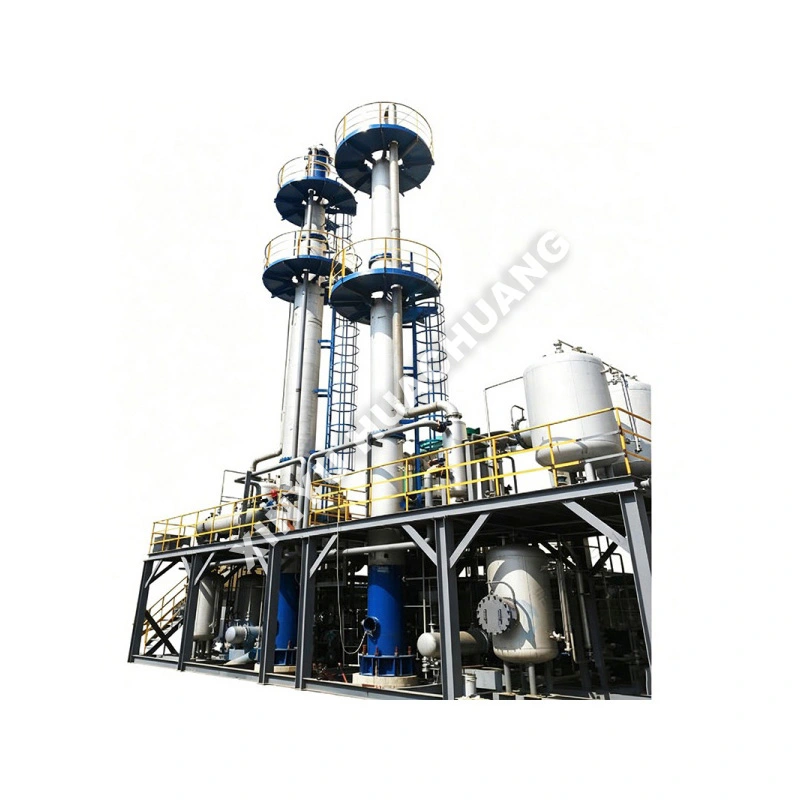
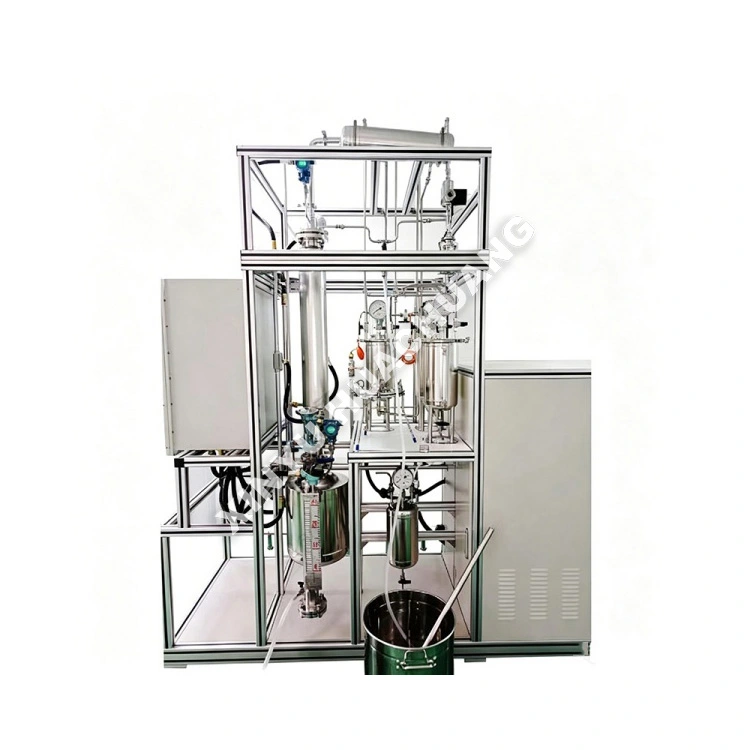
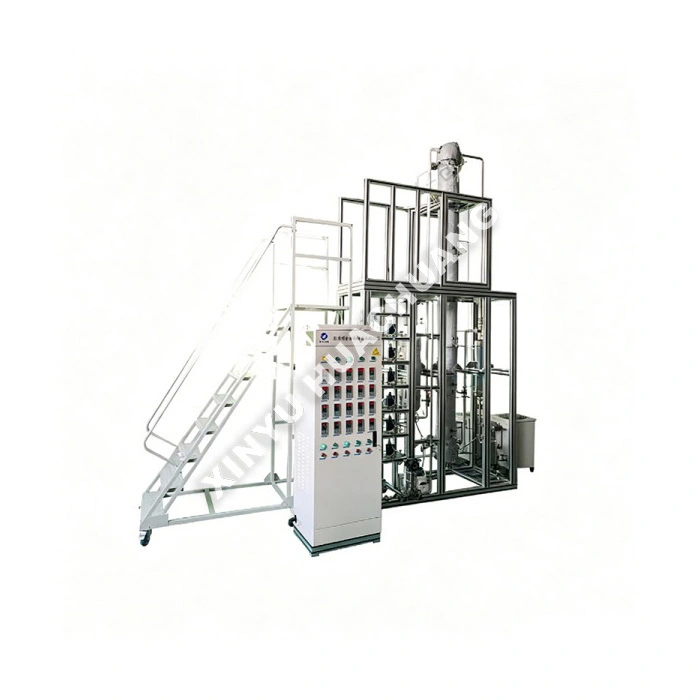
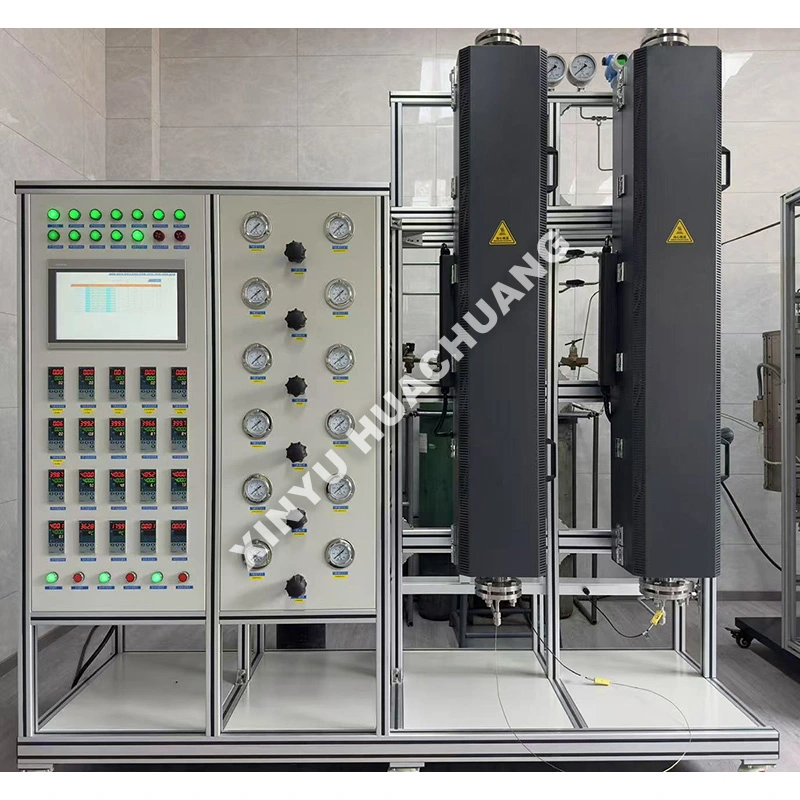
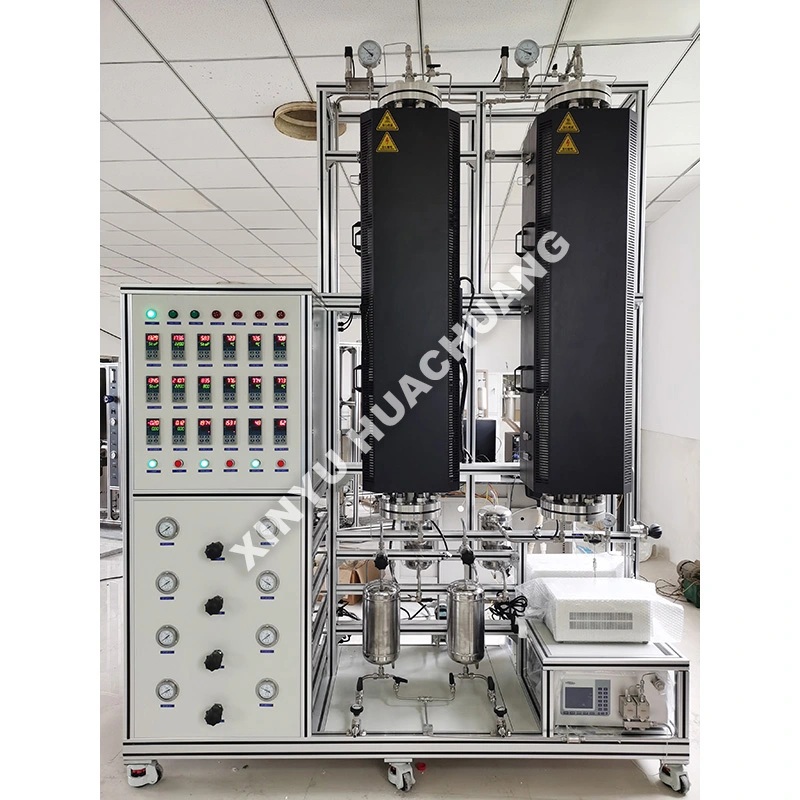
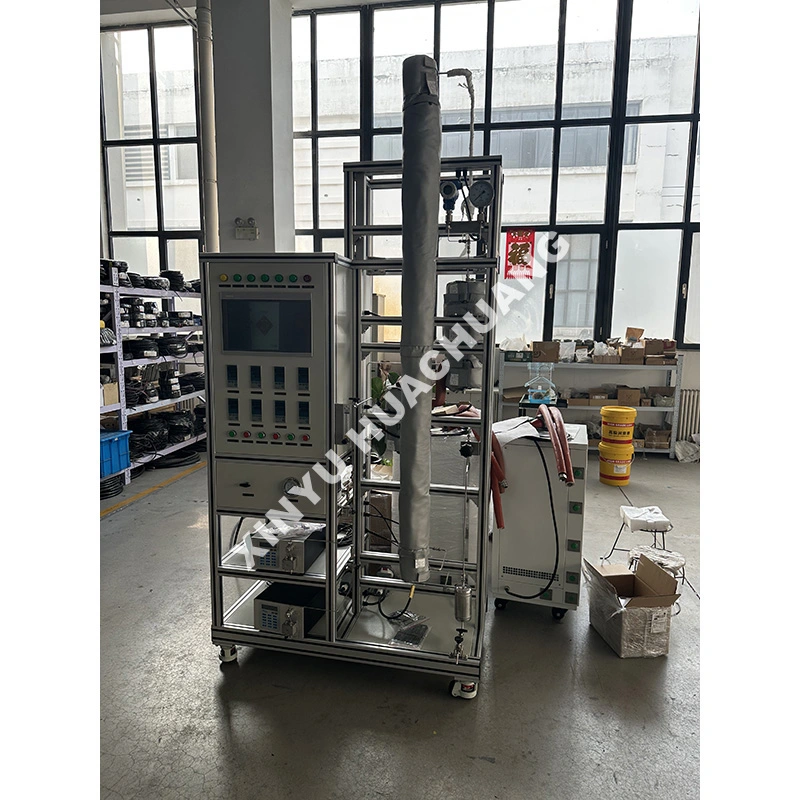
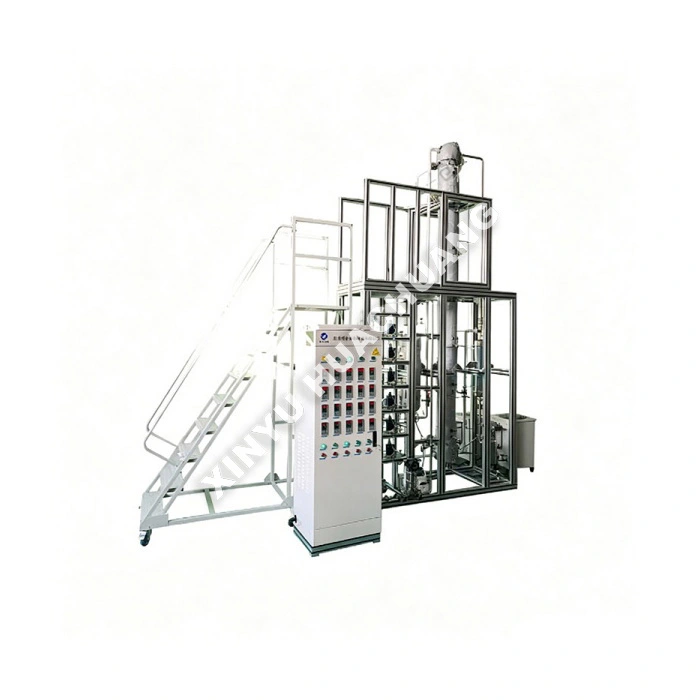
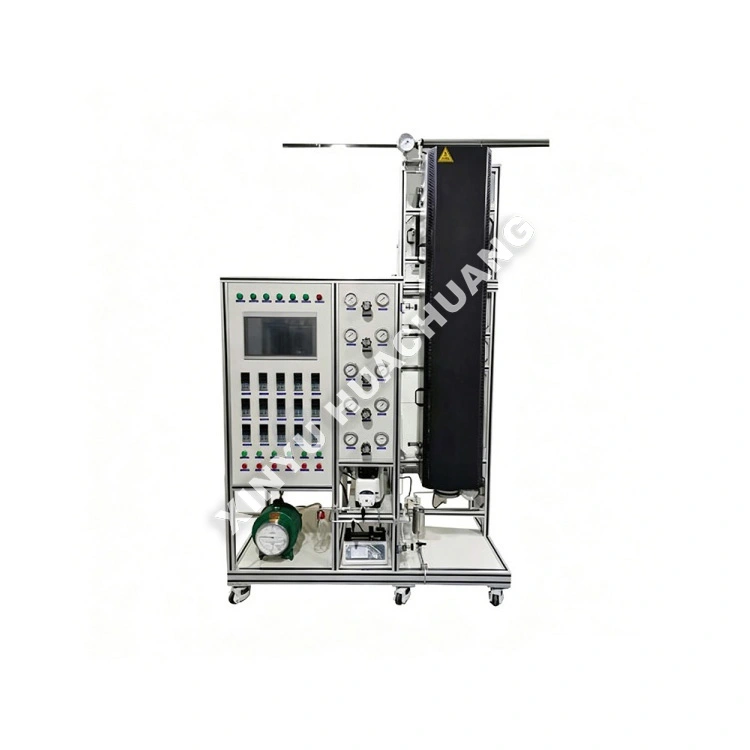
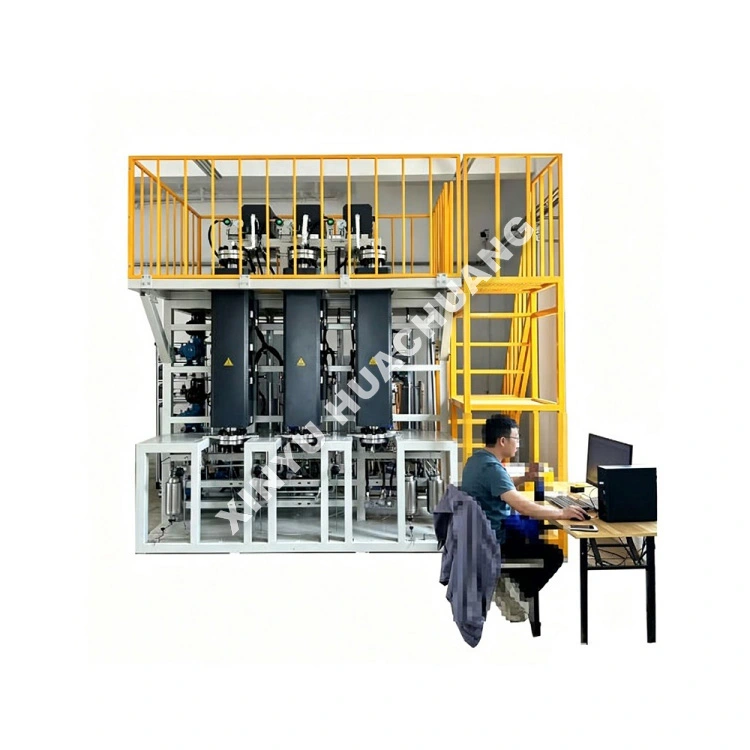
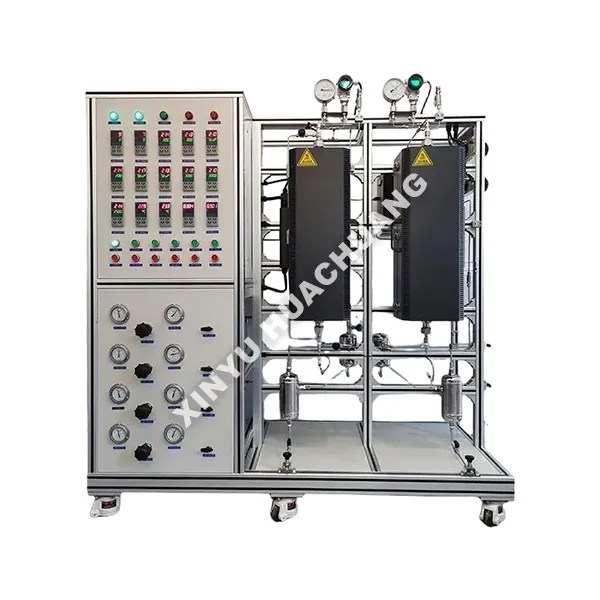
Flue-Gas Reaction Pilot Unit
  • Flue-Gas Reaction Pilot UnitFlue-Gas Reaction Pilot Unit
  • Flue-Gas Reaction Pilot UnitFlue-Gas Reaction Pilot Unit
  • Flue-Gas Reaction Pilot UnitFlue-Gas Reaction Pilot Unit
  • Flue-Gas Reaction Pilot UnitFlue-Gas Reaction Pilot Unit

Flue-Gas Reaction Pilot Unit

Testing SCR catalysts, adsorbents, or oxidation systems without tying up a real boiler? XINYU HUACHUANG is a professional chemical equipment manufacturer. Its Flue-Gas Reaction Pilot Unit blends NOx, SO2, O2, CO2, and N2 to mimic actual exhaust, including thermal and flow dynamics. Get reliable conversion, slip, and poisoning data before going full scale. Request a competitive price now.

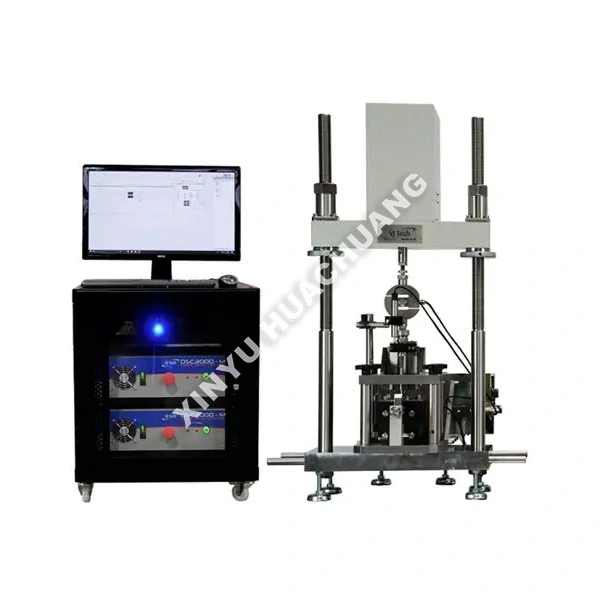
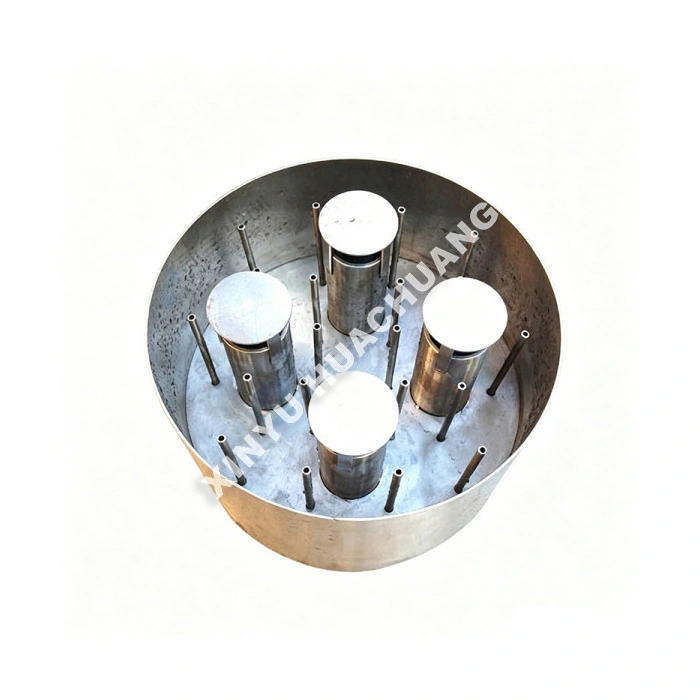
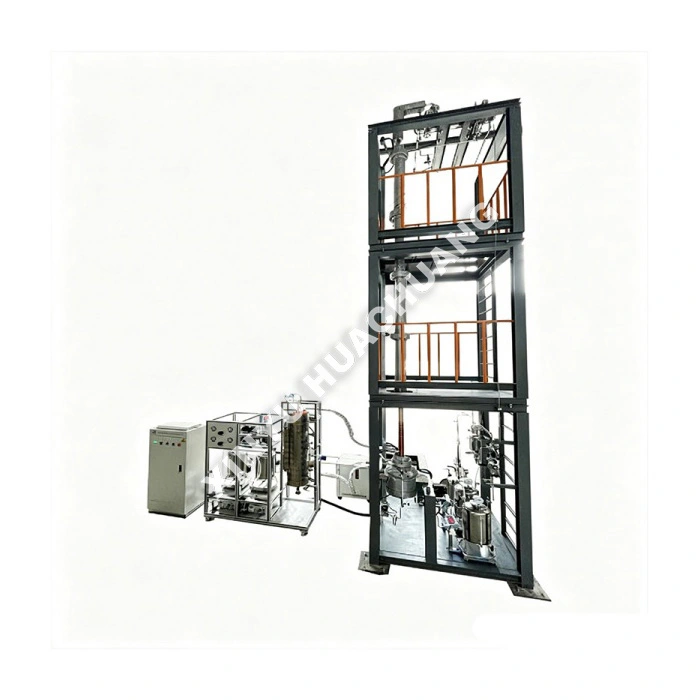
The XINYU HUACHUANG Flue-Gas Reaction Pilot Unit is a highly automated, continuous-flow testing system specifically engineered to simulate real-world industrial exhaust environments. Designed to evaluate the performance of DeNOx, DeSOx, and VOC removal technologies, this unit accurately controls complex gas compositions, temperature profiles, and space velocities. Equipped with intelligent PLC automation and multi-level safety interlocks, the Flue-Gas Reaction Pilot Unit ensures safe, unattended long-term operation while delivering highly reproducible data for catalyst screening and environmental process optimization.

Flue Gas Reaction Pilot Unit

What is a Flue-Gas Reaction Pilot Unit?

A Flue-Gas Reaction Pilot Unit is a specialized chemical testing apparatus that generates and processes simulated industrial exhaust gases to evaluate the efficiency of air pollution control devices. By precisely blending gases such as NOx, SO2, O2, CO2, and N2, and controlling the thermal and flow dynamics, the unit replicates actual boiler or furnace flue gas conditions. It serves as an essential platform for testing selective catalytic reduction (SCR) catalysts, adsorbents, and oxidation systems, providing critical data on conversion rates, ammonia slip, and catalyst poisoning before full-scale industrial implementation.

Technical Specifications

Parameter

Specification

Operating Temperature

RT ~ 600℃ (Precision ±1℃)

Operating Pressure

Atmospheric / Slight Negative Pressure

Gas Mixing System

High-Precision Mass Flow Controllers (MFC)

Gas Components

NO, SO2, O2, CO2, N2, Nh2, H2O (Customizable)

Reactor Material

SS316L / Inconel / High-Temp Resistant Steel

Control System

Industrial PLC + PC Software Interface

Analyzer Interface

Compatible with CLD, FTIR, NDIR, UV-Vis

Key Features

● Realistic Flue-Gas Simulation: High-precision MFCs ensure accurate and stable mixing of multiple gas components, perfectly replicating the complex chemistry of industrial exhaust.

● Precise Temperature Profiling: Multi-zone PID heating guarantees uniform temperature distribution across the catalyst bed, which is critical for evaluating temperature-sensitive DeNOx reactions.

● Intelligent PLC Automation: Centralized control system enables unattended long-term operation, automated data logging, historical curve generation, and real-time performance monitoring.

● Comprehensive Safety Design: Built with toxic gas leak detectors, over-temperature alarms, and automatic emergency shutoff valves to protect personnel and equipment during hazardous gas testing.

● Modular & Customizable: Flexible integration of preheaters, humidifiers, cyclone separators, and online analyzers to meet specific environmental testing requirements.

Usage Precautions

● Toxic Gas Safety: Always operate the unit in a well-ventilated area or fume hood. Ensure all toxic gas cylinders (NO, SO2, Nh2) are securely fastened and leak-tested before operation.

● Inert Purging: Always purge the reactor and gas lines with an inert gas (N2) before heating and before introducing reactive gases to prevent unwanted oxidation or explosive mixtures.

● Condensation Prevention: When testing with water vapor or SO2, ensure all downstream sampling lines and exhaust pipes are properly heated/insulated to prevent acid condensation and severe corrosion.

● Safe Shutdown: After the experiment, stop the reactive gas feeds first, then continue flowing N2 while cooling the reactor to room temperature before shutting down the system.

Common Mistakes vs. Correct Methods

● Mistake: Heating the system without establishing gas flow. Correct Method: Always establish a stable inert gas flow before turning on the heater to ensure uniform heat transfer and protect the thermocouples and reactor internals.

● Mistake: Ignoring the dew point of the exhaust gas. Correct Method: Calculate the acid dew point when SO2 and H2O are present, and maintain all downstream transfer lines at least 20℃ above this point to prevent blockages and equipment damage.

● Mistake: Failing to calibrate gas analyzers regularly. Correct Method: Perform zero and span calibration on the online gas analyzers (CLD, FTIR) before each testing batch to ensure the accuracy of NOx conversion and ammonia slip calculations.

● Mistake: Opening the system while under pressure or containing toxic gas. Correct Method: Always verify that the system has been purged with N2, pressure has returned to atmospheric levels, and temperature is below 50℃ before loosening any fittings.

Shipping & Packaging

● Professional Packaging: The Flue-Gas Reaction Pilot Unit is securely packed in fumigation-free export-standard wooden crates. All sensitive instruments (MFCs, PLC panels, gas analyzers) are wrapped in shock-proof foam and moisture-proof film.

● Component Fixation: Internal pipelines, reactors, and gas cabinets are firmly fixed with steel brackets to prevent damage during ocean or air freight.

● Documentation: A comprehensive English operation manual, electrical schematics, P&ID diagrams, and a detailed packing list are included in a waterproof document pouch attached to the crate.

● Global Logistics: We support EXW, FOB, CIF, and DDP terms, providing door-to-door delivery services to laboratories and industrial testing facilities worldwide.

After-Sales Service & Support

At XINYU HUACHUANG, we are committed to providing comprehensive and reliable after-sales support to ensure the continuous and efficient operation of your equipment. Our dedicated service team is always ready to assist you.

Comprehensive Warranty Coverage

We proudly offer a two-year warranty for our equipment. During this period, we provide free maintenance and repair services for any quality-related issues, excluding those caused by improper operation, unauthorized modifications, or force majeure. For equipment beyond the two-year warranty period, we continue to offer lifelong maintenance services, charging only the cost of replacement parts and labor.

Rapid Response Mechanism

We offer 7×24 hours professional engineering telephone support. Upon receiving a fault notification, our technical team will respond within 24 hours and provide a viable solution. If on-site service is required, our professional engineers will arrive at your facility within one week. In special circumstances where the equipment cannot be repaired, we will unconditionally replace it with a new unit or provide a substitute unit during the two-year warranty period, or take necessary measures to restore normal operation.

Frequently Asked Questions (FAQ)

Q1: Why use simulated flue gas instead of real exhaust for testing?

A: The unit precisely blends NOx, SO2, O2, CO2, and N2 and controls the thermal and flow dynamics to replicate actual boiler or furnace conditions. Simulated gas delivers stable, repeatable compositions that real exhaust simply cannot guarantee.

Q2: Which air pollution control devices can be evaluated on this platform?

A: It serves as an essential platform for testing selective catalytic reduction (SCR) catalysts, adsorbents, and oxidation systems used in industrial exhaust treatment.

Q3: What critical data does the unit provide before full-scale implementation?

A: The unit provides key data on conversion rates, ammonia slip, and catalyst poisoning, helping engineers judge performance and risks before industrial deployment.

Q4: Can the gas composition be adjusted to match different boilers or furnaces?

A: Yes. The precise blending system allows the proportions of NOx, SO2, O2, CO2, and N2 to be adjusted, together with controlled temperature and flow dynamics, to replicate the exhaust characteristics of different sources.

Q5: How does this unit help reduce the risk of failed field trials?

A: By identifying issues such as catalyst poisoning, high ammonia slip, or insufficient conversion in the laboratory first, the unit helps you avoid deploying underperforming devices into full-scale industrial systems.


Send Inquiry
Contact Info
  • Address

    Unit 104, Building A, Factory D8 (East Zone), No. 1 Xuefu West Road, Xuefu Industrial Zone, Xiqing District, Tianjin, Hebei Province, China

Tell XINYU HUACHUANG your reaction type, temperature, pressure and analytical needs, and our team will reply within 24 hours with a tailored quote.
X
We use cookies to offer you a better browsing experience, analyze site traffic and personalize content. By using this site, you agree to our use of cookies. Privacy Policy
RejectAccept