Products
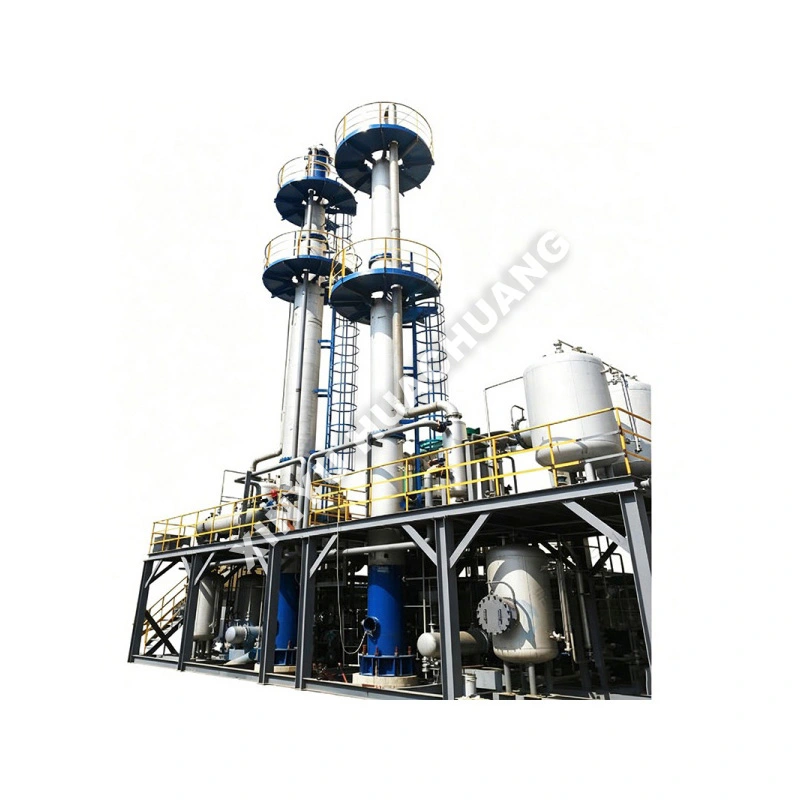
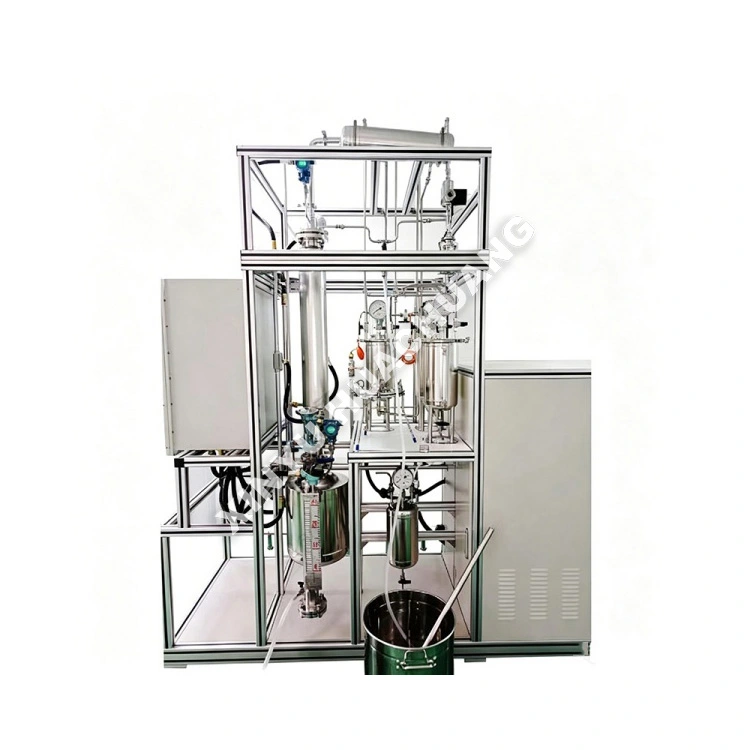
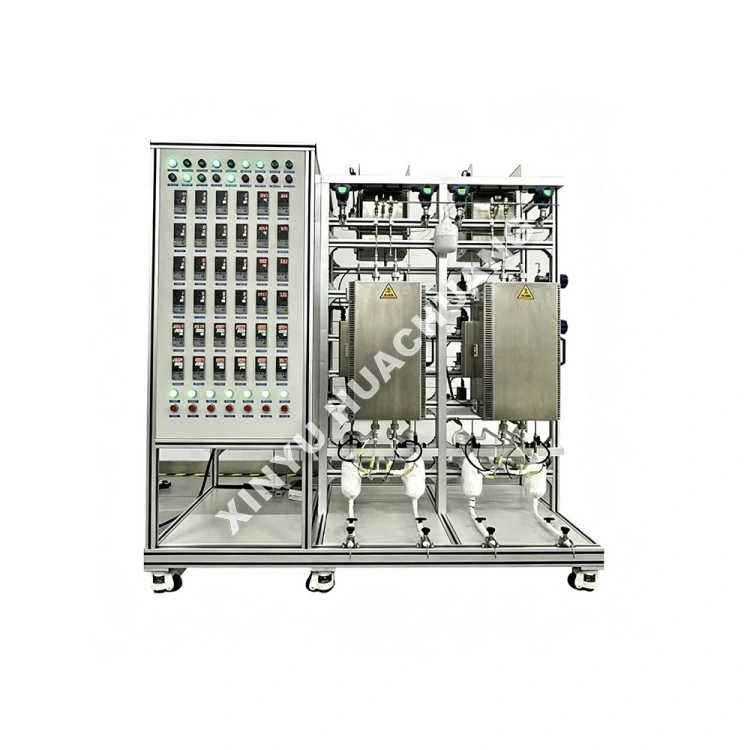
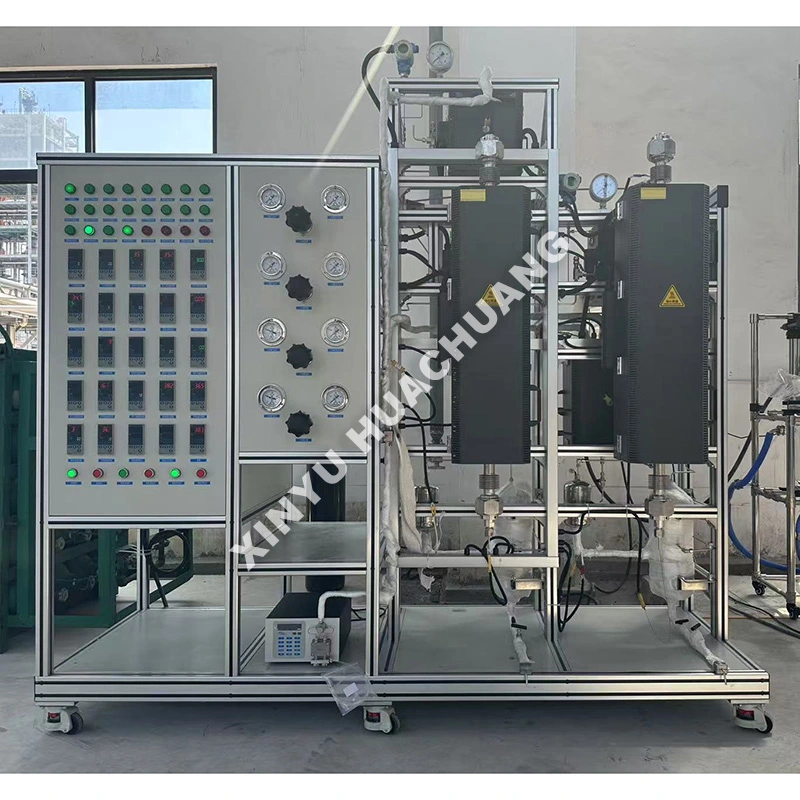
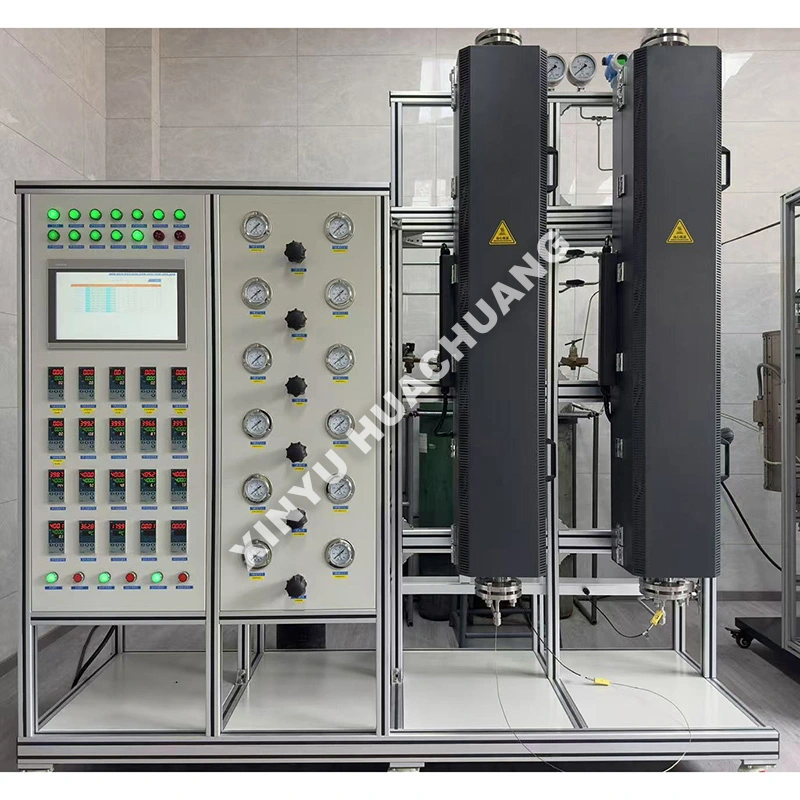
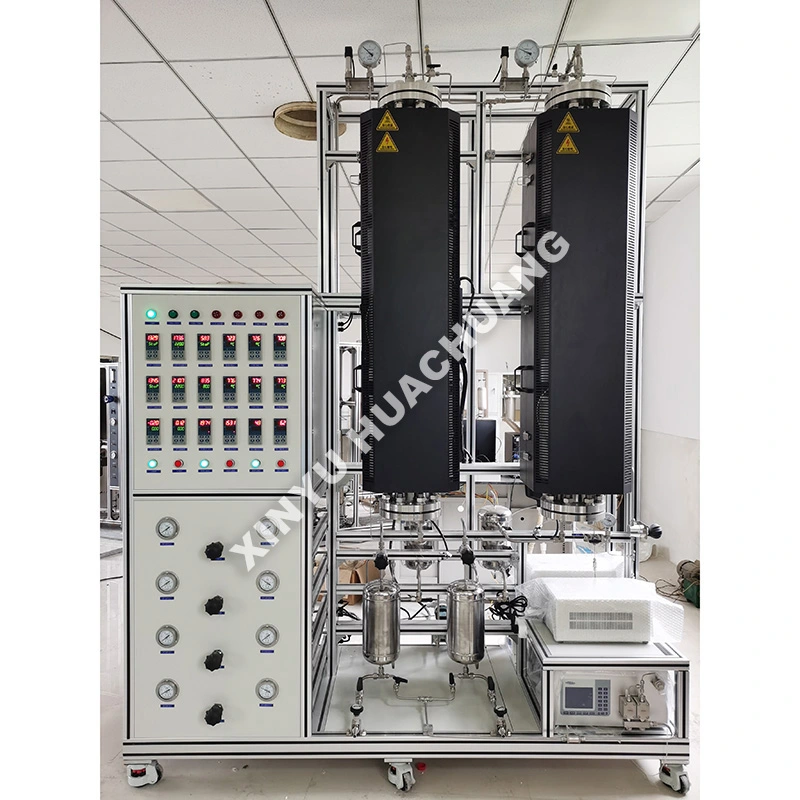
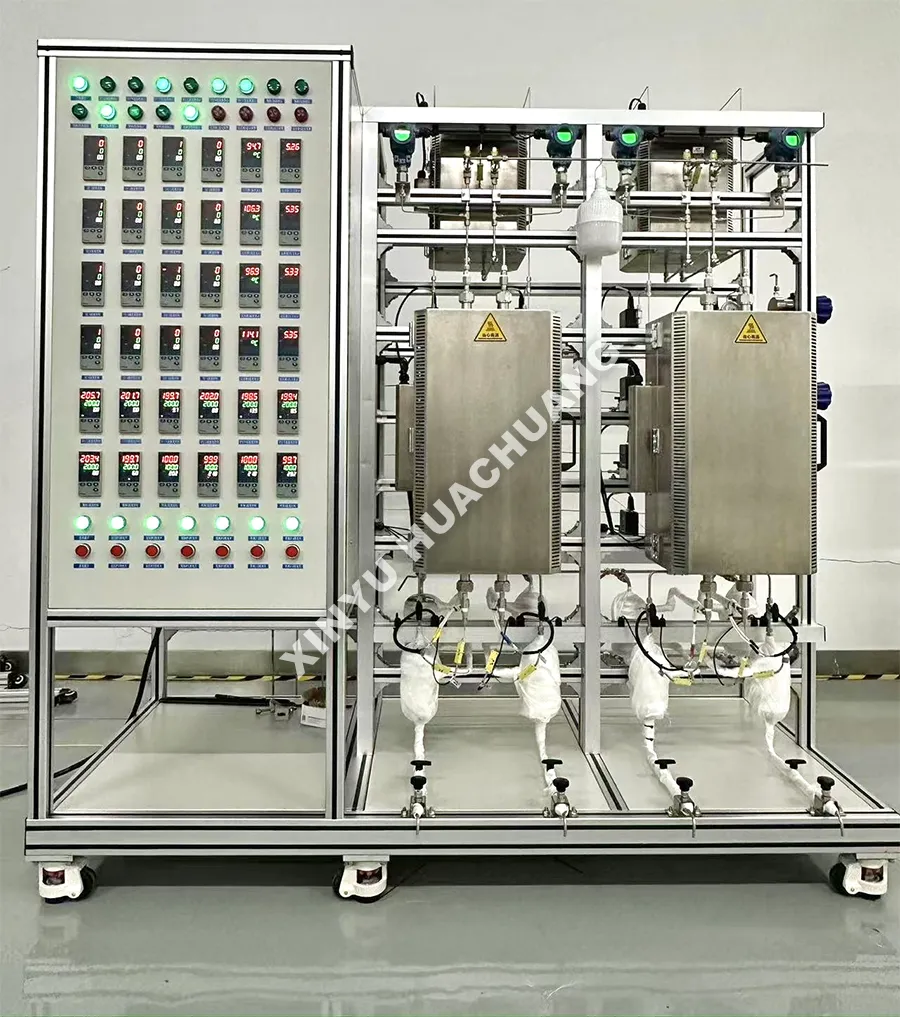
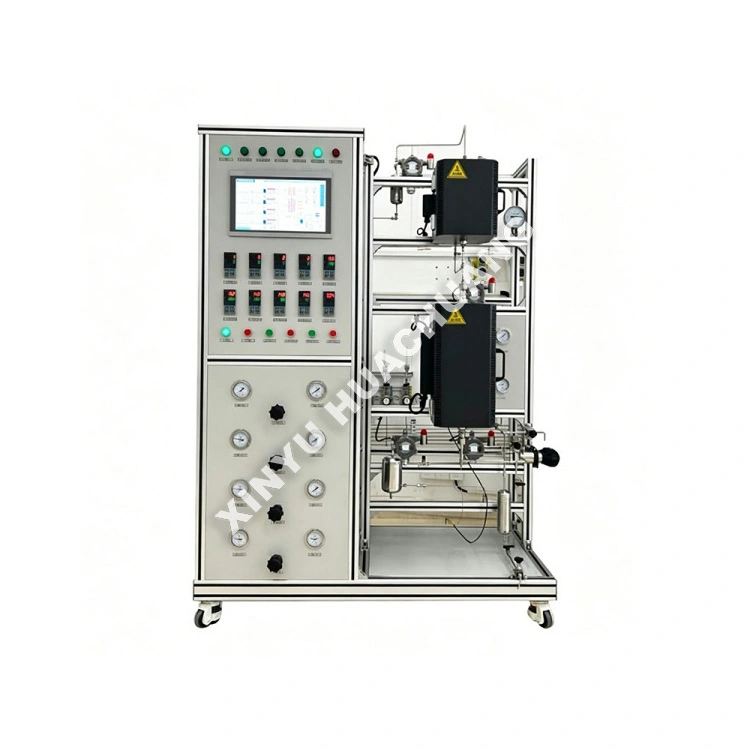
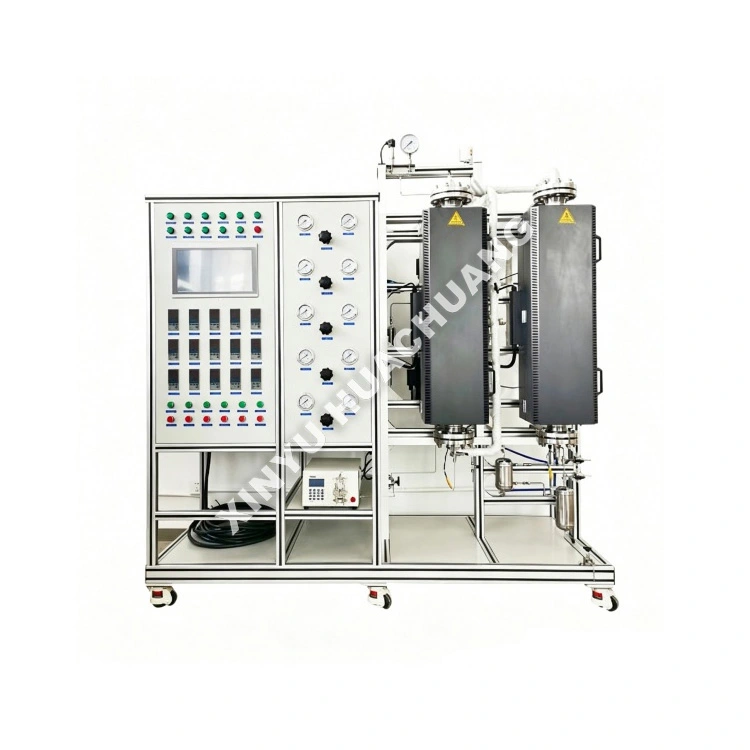
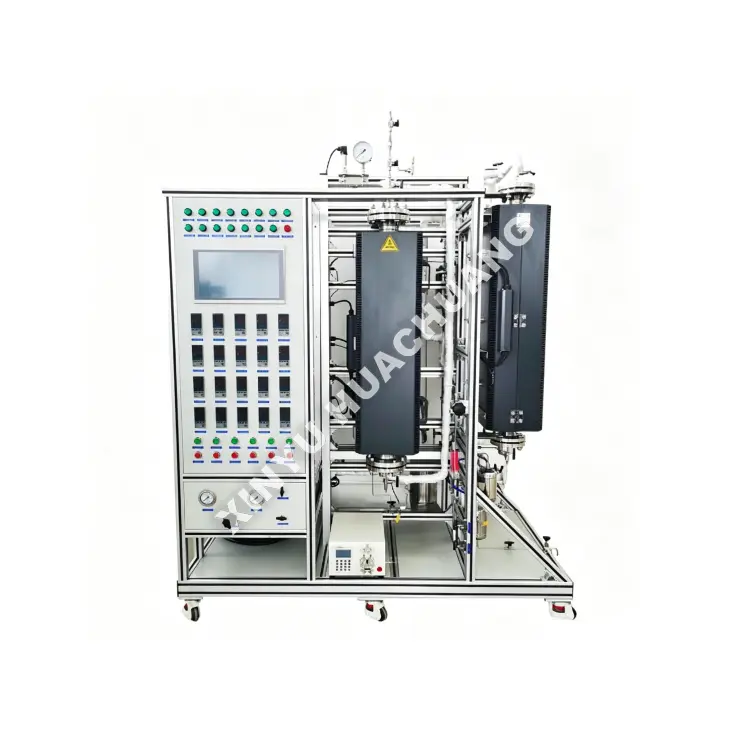
Multi-Channel Fischer-Tropsch Synthesis Unit
  • Multi-Channel Fischer-Tropsch Synthesis UnitMulti-Channel Fischer-Tropsch Synthesis Unit
  • Multi-Channel Fischer-Tropsch Synthesis UnitMulti-Channel Fischer-Tropsch Synthesis Unit
  • Multi-Channel Fischer-Tropsch Synthesis UnitMulti-Channel Fischer-Tropsch Synthesis Unit
  • Multi-Channel Fischer-Tropsch Synthesis UnitMulti-Channel Fischer-Tropsch Synthesis Unit

Multi-Channel Fischer-Tropsch Synthesis Unit

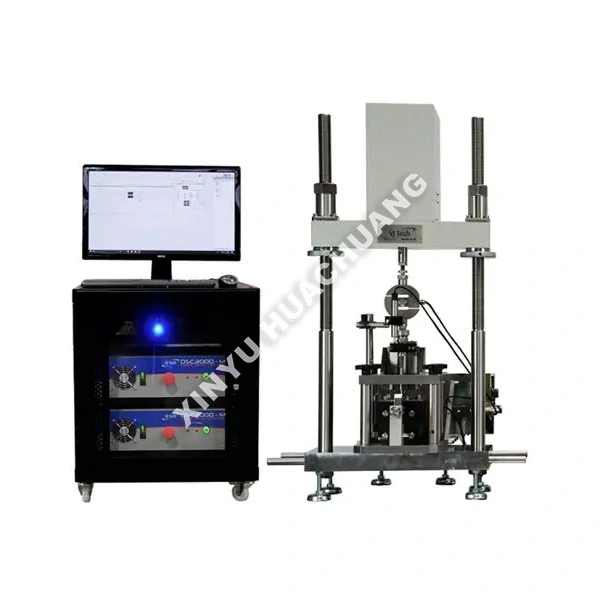
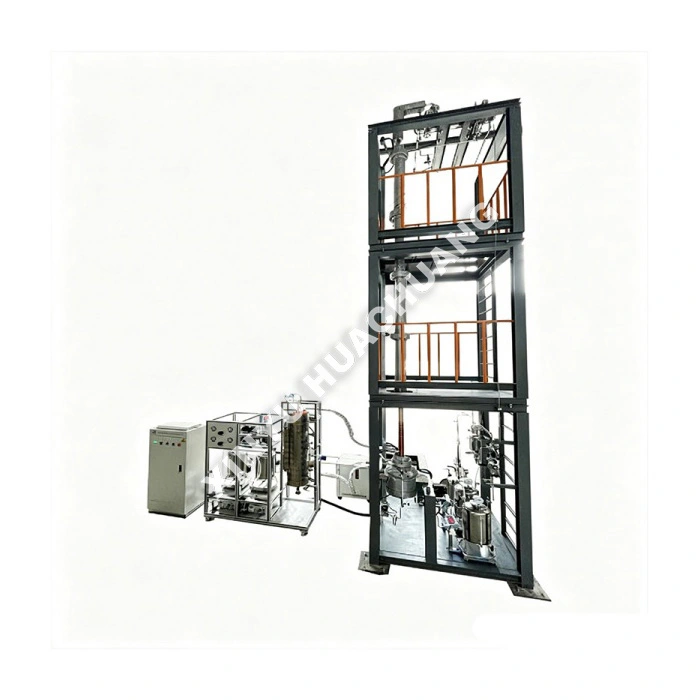
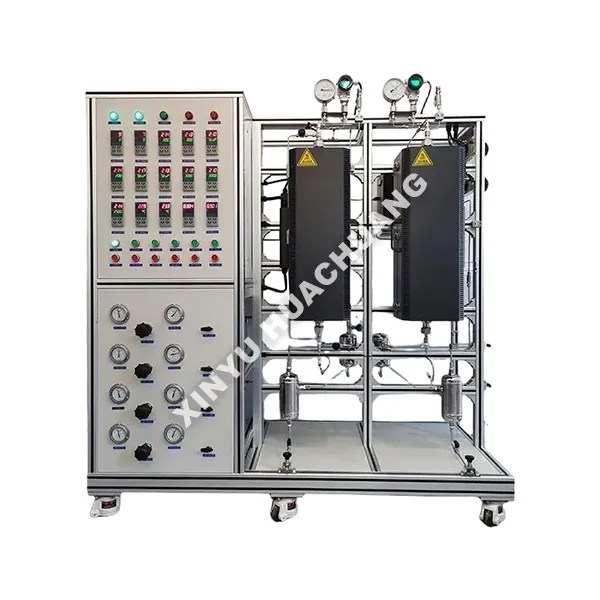
Invest in XINYU HUACHUANG's Multi-Channel Fischer-Tropsch Synthesis Unit for high‑throughput FT research. It combines multiple fixed or slurry‑bed reactors with independent syngas feeding and T/P control per channel, enabling parallel experiments to gather data on hydrocarbon distribution, CO conversion, and C5+ selectivity per ASF. Reliable and scalable. Contact us to discuss your project and get a customized solution.

The XINYU HUACHUANG Multi-Channel Fischer-Tropsch Synthesis Unit is an advanced, high-throughput laboratory reactor system specifically engineered for syngas (CO + H2) conversion research. Designed to accelerate R&D in Gas-to-Liquids (GTL) and Coal-to-Liquids (CTL) technologies, this unit features multiple independent parallel reaction channels. It allows researchers to simultaneously evaluate different catalyst formulations (e.g., Iron-based, Cobalt-based) or varying operating conditions under identical parameters. Equipped with precise mass flow controllers, high-temperature heating, and intelligent PLC automation, it significantly reduces experimental cycles while ensuring highly reproducible data for industrial scale-up.

Multi Channel Fischer Tropsch Synthesis Unit

What is a Multi-Channel Fischer-Tropsch Synthesis Unit?

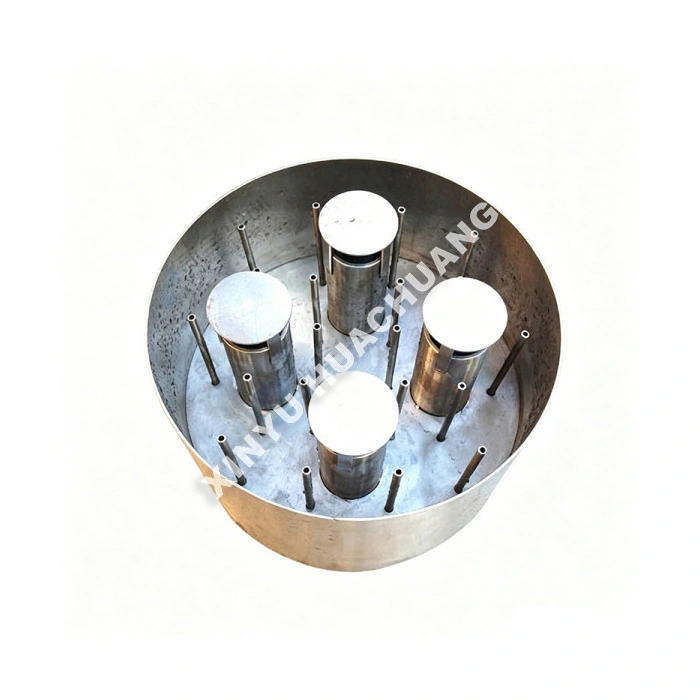
A Multi-Channel Fischer-Tropsch Synthesis Unit is a specialized parallel testing apparatus that integrates multiple identical, independent fixed-bed or slurry-bed reactor tubes into a single, unified system. Each channel is equipped with its own dedicated syngas feeding lines, temperature sensors, and pressure controls. This design enables researchers to conduct multiple FT experiments at the exact same time, maximizing laboratory throughput and providing reliable data on hydrocarbon product distribution, CO conversion rates, and C5+ selectivity based on the Anderson-Schulz-Flory (ASF) distribution.

What are the distinctive advantages ?

● High-Throughput Efficiency: Multi-Channel Fischer-Tropsch Synthesis Unit conducts multiple experiments simultaneously, reducing the time required for FT catalyst screening and optimization by up to 75% compared to single‑channel units.

● Independent Channel Control: Each channel operates with its own MFCs and temperature zones, allowing flexible testing of different H2/CO ratios, temperatures, or catalysts without cross-interference.

● Guaranteed Data Comparability: All reactors share the same heating furnace and gas source manifold, ensuring identical thermal and feed environments for fair and accurate catalyst comparison.

● Intelligent PLC Automation: Centralized PLC control manages all channels, automating data logging, historical curve generation, and unattended long-term operation.

● Space & Cost Effective: Consolidating multiple reactors into one footprint saves valuable laboratory space and reduces overall utility consumption (power, gas, cooling water).

Technical Specifications

Parameter

Specification

Channel Configuration

Multiple Independent Parallel Channels (Customizable: 4, 6, 8, etc.)

Operating Temperature

RT ~ 600℃ (Precision ±1℃)

Operating Pressure

Atmospheric to 10.0 MPa (Customizable)

Flow Control

High-Precision MFCs for each channel (H2, CO, N2)

Reactor Material

SS316L / Hastelloy / Inconel (Corrosion-resistant)

Control System

Industrial PLC + PC Software Interface

Heating System

Shared multi-zone furnace with uniform heating

Application Areas

● Gas-to-Liquids (GTL) & Coal-to-Liquids (CTL): Catalyst screening and process optimization for converting syngas into liquid fuels.

● Power-to-Liquids (PtL) & Biomass-to-Liquids (BTL): Research on green hydrogen and CO2 utilization for sustainable synthetic fuels.

● Catalyst R&D: Parallel evaluation of Iron-based (Fe) and Cobalt-based (Co) catalysts, including activity, selectivity, and deactivation/lifetime studies.

● Kinetic Research: Gathering reliable kinetic data for reactor modeling and industrial scale-up design.

● Chemical Feedstocks: Studying the production of light olefins, waxes, and synthetic lubricants from syngas.

From Concept to Crate: Our End-to-End Build Cycle

1. Requirement Confirmation: Understand the client's specific FT testing needs, syngas ratios, and operating parameters to customize the technical proposal.

2. Design & Engineering: Finalize CAD drawings, P&ID diagrams, and electrical schematics for the multi-channel system.

3. Precision Manufacturing: CNC machining of high-pressure reactor components, assembly of the gas feeding manifold, and fabrication of the PLC control cabinet.

4. Factory Testing: Strict pressure testing, temperature uniformity calibration across all channels, and PLC logic debugging.

5. Packaging & Shipping: Export-standard fumigation-free wooden crate packaging with secure internal fixation for global logistics.

6. Installation & Support: Provide comprehensive English manuals, video installation guides, and free online technical support for seamless operation.

After-Sales Service & Support

At XINYU HUACHUANG, we are committed to providing comprehensive and reliable after-sales support to ensure the continuous and efficient operation of your equipment. Our dedicated service team is always ready to assist you.

Comprehensive Warranty Coverage

We proudly offer a two-year warranty for our equipment. During this period, we provide free maintenance and repair services for any quality-related issues, excluding those caused by improper operation, unauthorized modifications, or force majeure. For equipment beyond the two-year warranty period, we continue to offer lifelong maintenance services, charging only the cost of replacement parts and labor.

Rapid Response Mechanism

We offer 7×24 hours professional engineering telephone support. Upon receiving a fault notification, our technical team will respond within 24 hours and provide a viable solution. If on-site service is required, our professional engineers will arrive at your facility within one week. In special circumstances where the equipment cannot be repaired, we will unconditionally replace it with a new unit or provide a substitute unit during the two-year warranty period, or take necessary measures to restore normal operation.

Frequently Asked Questions (FAQ)

Q1: How does the Multi-Channel Fischer-Tropsch Synthesis Unit manage the severe exothermic heat release inherent in FT reactions across parallel channels?

A: Unlike standard reactors, our unit employs a highly intensified heat-exchange design for each micro-channel or fixed-bed insert. The system utilizes independent, multi-zone PID temperature controllers for each channel to maintain isothermal conditions. This precise thermal management prevents localized "hot spots," ensuring high C5+ selectivity and preventing catalyst deactivation during high-productivity parallel screening.

Q2: How does the unit handle the complex multi-phase product separation (wax, water, and light hydrocarbons) for each individual channel?

A: Each channel is equipped with a dedicated, multi-stage automatic condensation and liquid collection module. This system independently separates heavy FT waxes, aqueous byproducts, and light hydrocarbons at controlled temperatures. This prevents cross-contamination between channels and ensures continuous, unattended operation without the risk of wax plugging in the downstream analytical lines.

Q3: Can the system accurately evaluate catalysts using syngas with varying H2/CO ratios simultaneously?

A: Yes. The Multi-Channel Fischer-Tropsch Synthesis Unit features completely independent, high-precision Mass Flow Controllers (MFCs) for each channel. This allows researchers to run different feed compositions in parallel—for example, testing a cobalt catalyst with H2/CO = 2.0 in Channel 1, while evaluating an iron catalyst with H2/CO = 1.0 in Channel 2 under identical thermal conditions.

Q4: How does the unit ensure that the flow distribution remains perfectly balanced across all channels during long-term continuous operation?

A: To guarantee identical hydrodynamic conditions for fair catalyst comparison, the system utilizes precision-machined flow distributors and individual back-pressure regulators (BPRs) for each channel. The Industrial PLC continuously monitors the pressure drop across each reactor, automatically compensating for any minor flow deviations caused by catalyst bed settling or wax accumulation.

Q5: What specific safety measures are implemented to handle the high-pressure hydrogen and carbon monoxide mixtures in a multi-channel configuration?

A: Safety is paramount in parallel FT operations. The unit features a centralized safety matrix with individual over-pressure relief valves and emergency shut-off valves for every single channel. In the event of a temperature runaway or pressure anomaly in one specific reactor, the PLC instantly isolates that channel and triggers an automatic nitrogen purging sequence, ensuring the remaining channels continue to operate safely.


Send Inquiry
Contact Info
  • Address

    Unit 104, Building A, Factory D8 (East Zone), No. 1 Xuefu West Road, Xuefu Industrial Zone, Xiqing District, Tianjin, Hebei Province, China

Tell XINYU HUACHUANG your reaction type, temperature, pressure and analytical needs, and our team will reply within 24 hours with a tailored quote.
X
We use cookies to offer you a better browsing experience, analyze site traffic and personalize content. By using this site, you agree to our use of cookies. Privacy Policy
RejectAccept