Products
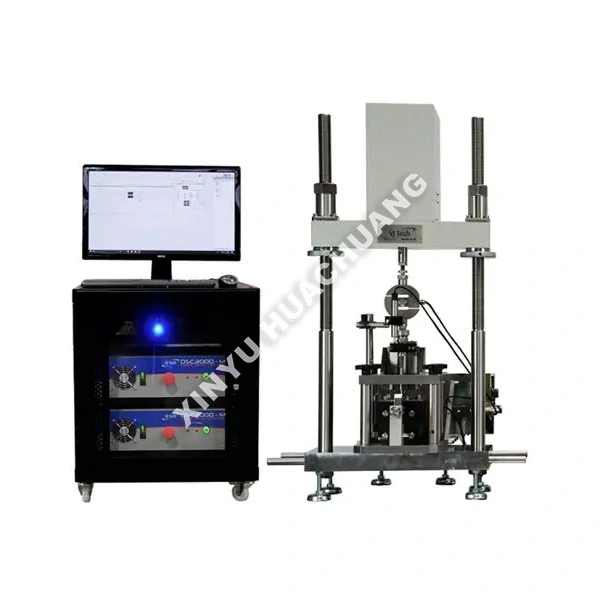
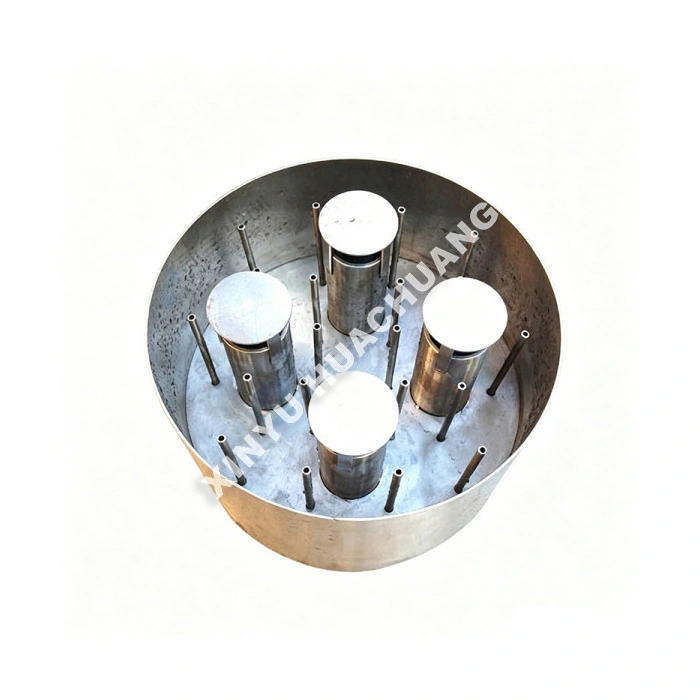
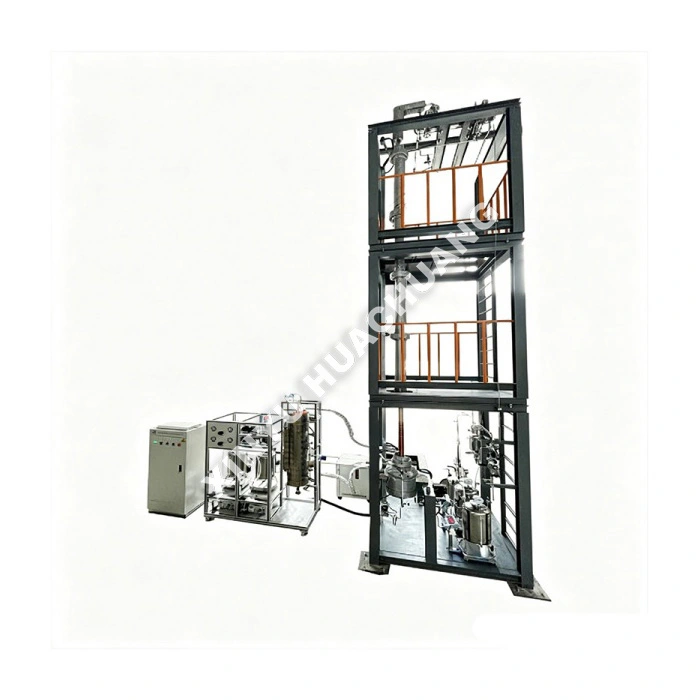
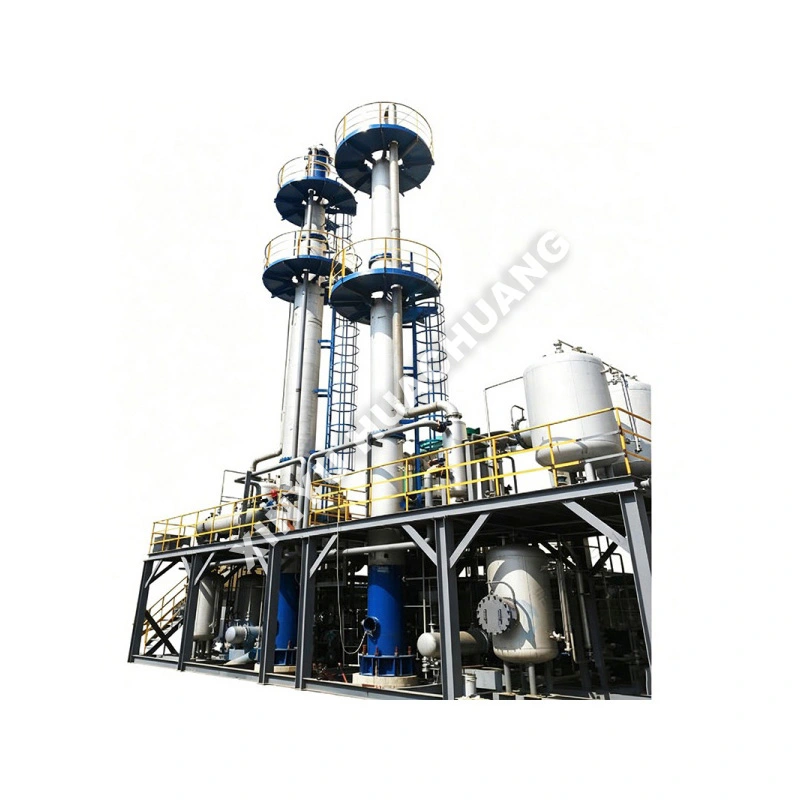
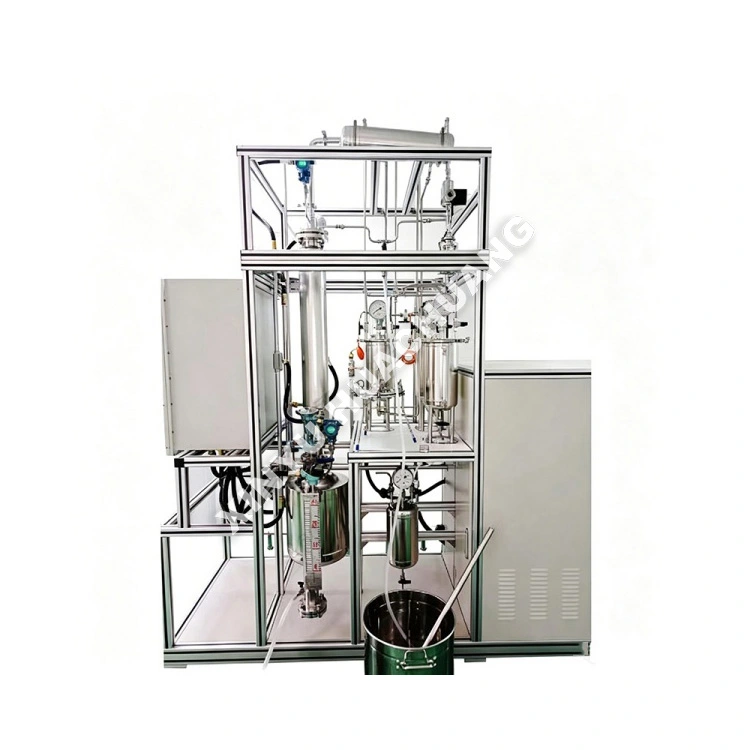
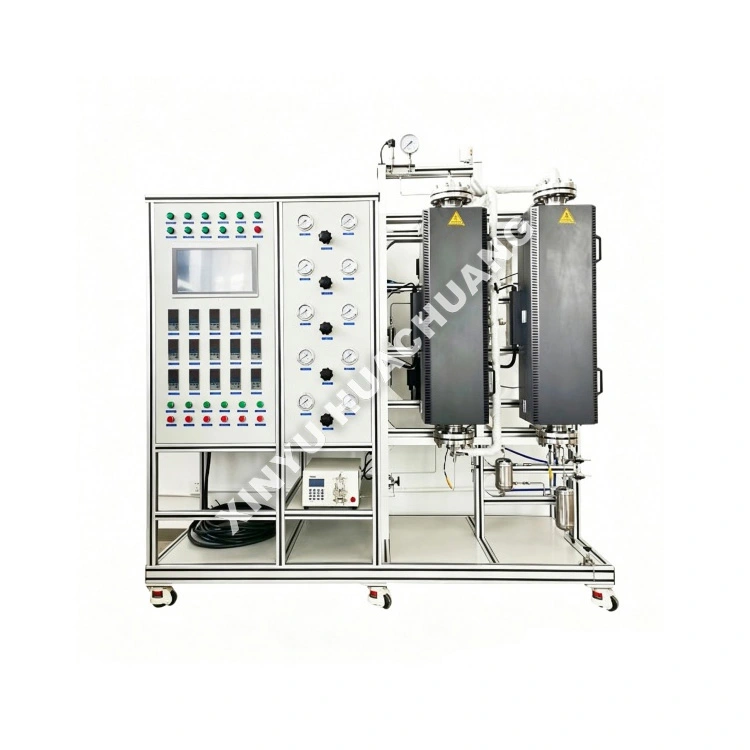
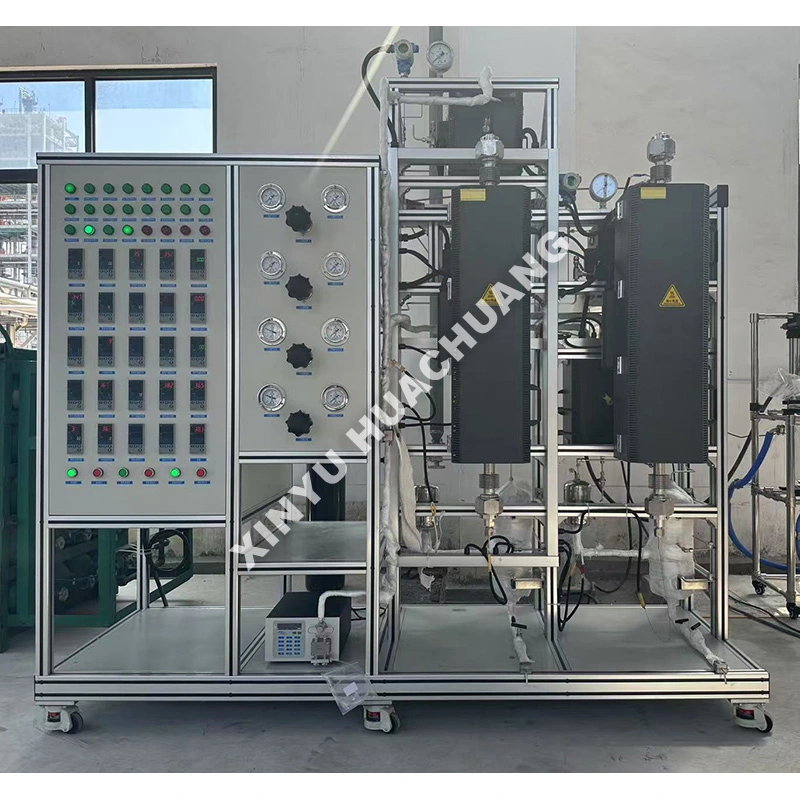
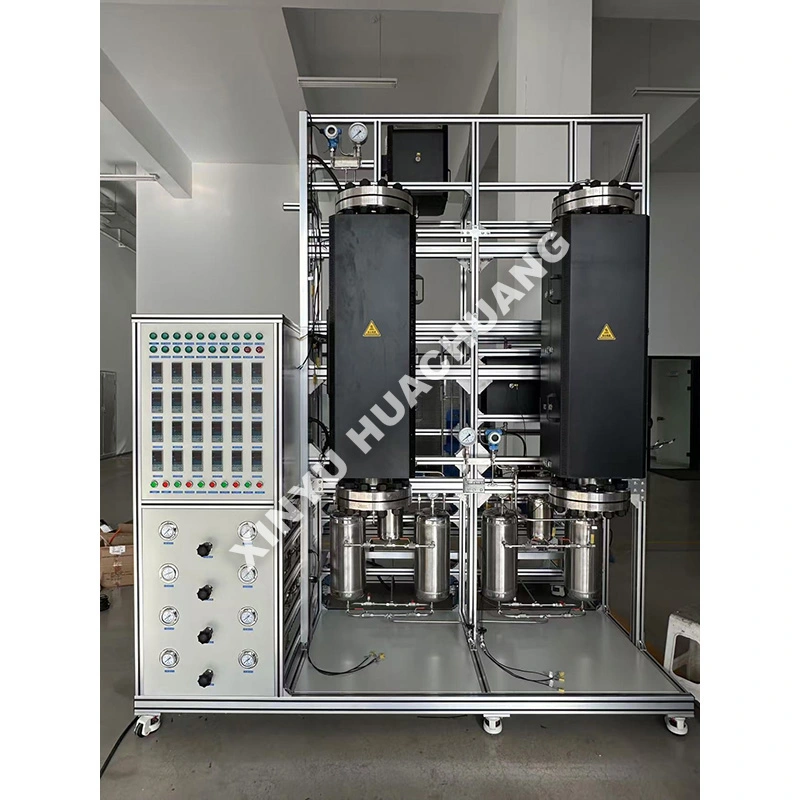
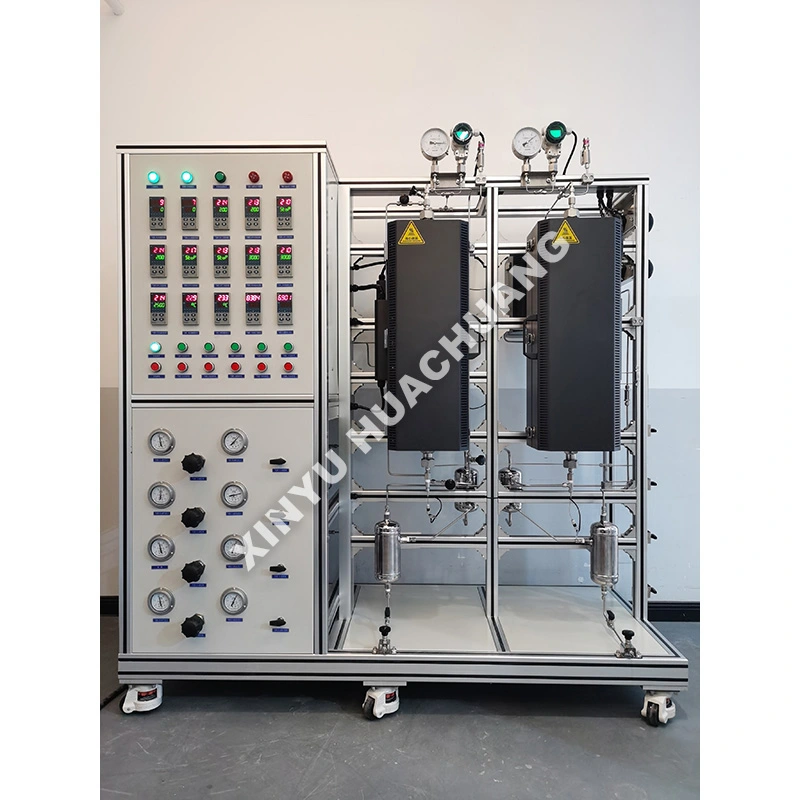
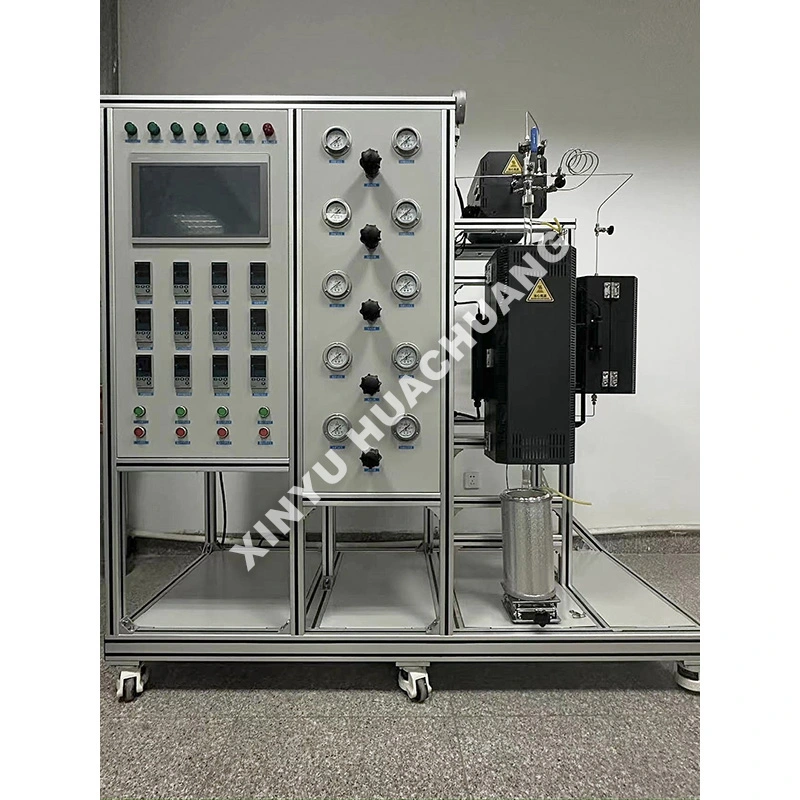
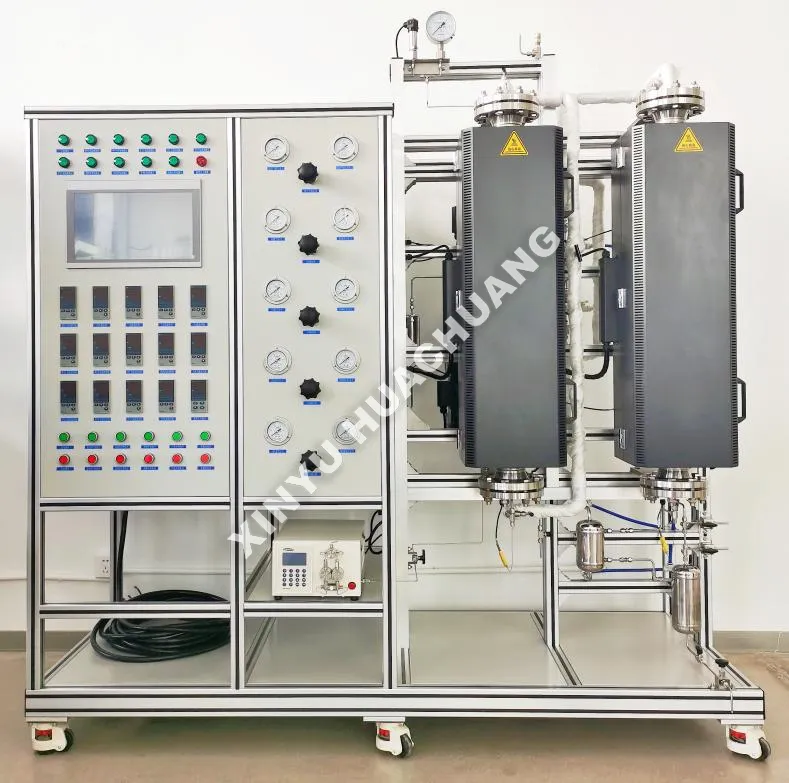
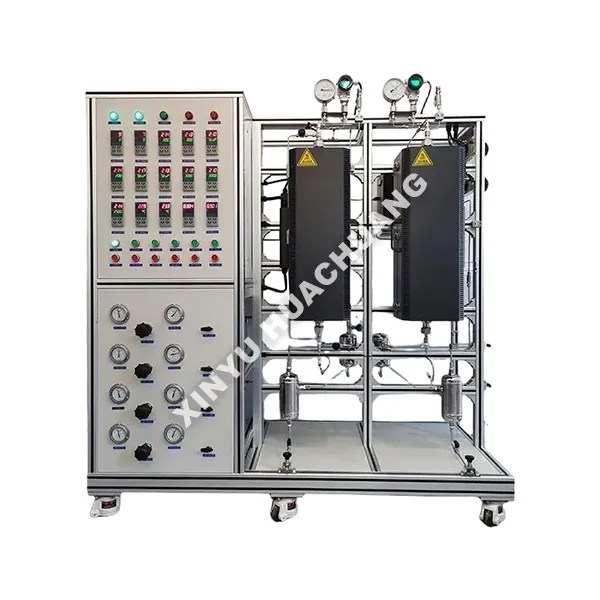
Methane Reforming Experimental Unit
  • Methane Reforming Experimental UnitMethane Reforming Experimental Unit
  • Methane Reforming Experimental UnitMethane Reforming Experimental Unit
  • Methane Reforming Experimental UnitMethane Reforming Experimental Unit
  • Methane Reforming Experimental UnitMethane Reforming Experimental Unit
  • Methane Reforming Experimental UnitMethane Reforming Experimental Unit

Methane Reforming Experimental Unit

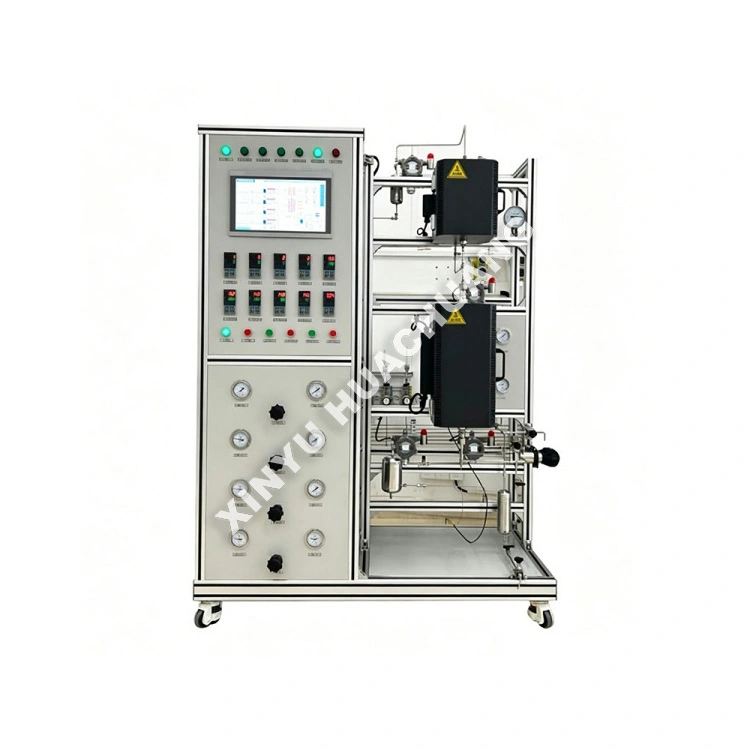
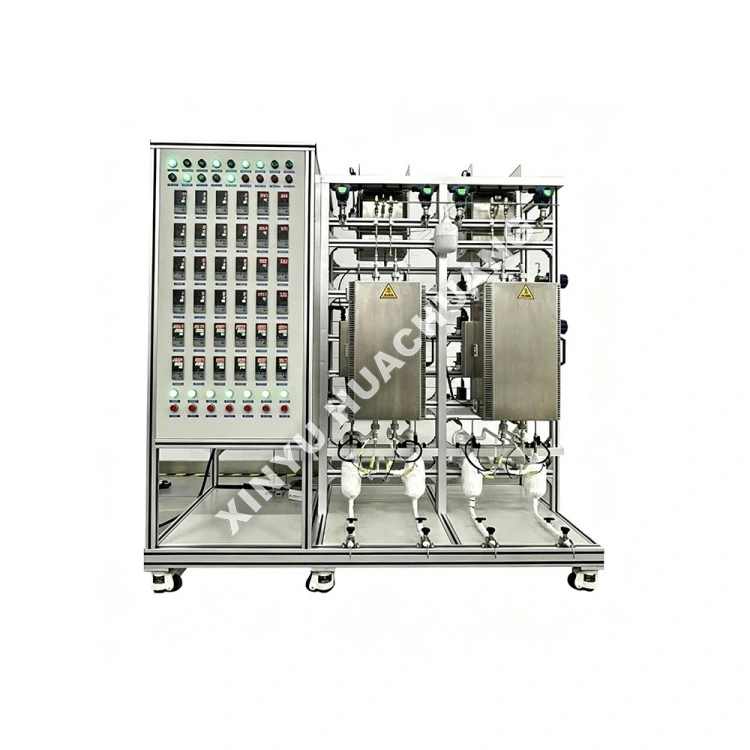
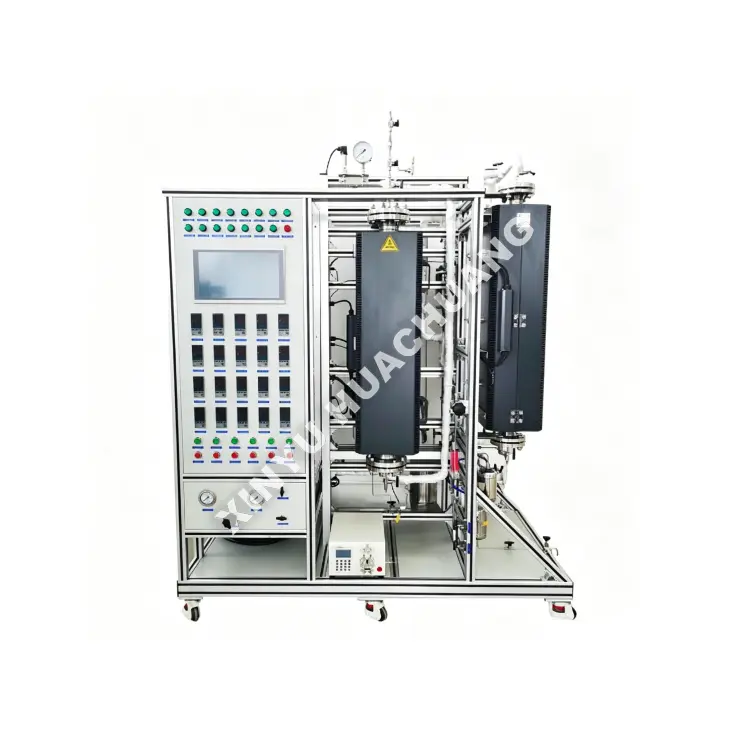
Need a reliable reforming testbed? XINYU HUACHUANG's Methane Reforming Experimental Unit automates SR/DR runs-MFC-metered CH4with steam or CO2, preheated, then through your own fixed‑bed catalyst. Advanced temperature control maintains the endothermic profile, while online gas analysis gives real‑time conversion and H2/CO ratio. Ask for a unit built to your reactor specs.

The XINYU HUACHUANG Methane Reforming Experimental Unit is a highly automated laboratory reactor system engineered for precise syngas generation and kinetic research. Designed to simulate industrial steam methane reforming (SMR) and dry reforming (DRM) processes, it accurately controls temperature, pressure, and gas-to-carbon ratios. Equipped with intelligent PLC automation and multi-level safety interlocks, this unit is ideal for catalyst screening, process optimization, and hydrogen production research in energy and petrochemical fields.

Methane Reforming Experimental Unit

Working Principle

The Methane Reforming Experimental Unit operates through a fully automated sequence: endothermic reforming reactions are simulated at elevated temperatures, with methane precisely metered by mass flow controllers and subsequently blended with either steam (via a heated bubbler) or carbon dioxide. After preheating, the gaseous feed enters the fixed-bed reactor—charged with a nickel-based or noble metal catalyst—where reforming converts methane into hydrogen and carbon monoxide. Throughout the process, the Unit sustains the required high-temperature profile via an advanced temperature control system, while its online gas analysis module continuously tracks product composition, enabling real-time calculation of methane conversion and the resulting H₂/CO ratio.

Key Advantages

● High-Temperature Precision: Advanced multi-zone PID heating ensures uniform temperature distribution up to 900℃, critical for endothermic reforming reactions.

● Versatile Process Simulation: Supports Steam Methane Reforming (SMR), Dry Reforming (DRM), and Autothermal Reforming (ATR) by simply adjusting the feed gas composition.

● Accurate Steam Control: Integrated heated bubbler and vaporizer system ensures precise and stable water-to-carbon (S/C) ratios without condensation in feed lines.

● Intelligent Automation: PLC-PC integrated control enables automated data logging, historical curve generation, and unattended long-term operation.

● Robust & Safe Design: Reactors are constructed from high-temperature, corrosion-resistant alloys (e.g., SS316L, Inconel), featuring multi-level safety interlocks for over-temperature, over-pressure, and flame-out protection.

Technical Specifications

Parameter

Specification

Operating Temperature

RT ~ 900℃ (Precision ±1℃)

Operating Pressure

Atmospheric to 5.0 MPa (Customizable)

Steam Generation

Heated Bubbler / Precision Liquid Pump

Gas Flow Control

High-Precision Mass Flow Controllers (MFC)

Reactor Material

SS316L / Inconel 600 / Quartz

Control System

Industrial PLC + PC Software Interface

Analyzer Interface

Compatible with GC, TCD/FID, MS

Application Areas

● Hydrogen Production: R&D for Steam Methane Reforming (SMR) for fuel cells and refinery hydrogen.

● Carbon Capture & Utilization: Dry Reforming of Methane (DRM) to convert CH4 and CO2 into valuable syngas.

● Catalyst Screening: Testing Ni-based, noble metal (Ru, Rh, Pt), and perovskite catalysts for reforming reactions.

● Process Optimization: Studying the effects of temperature, pressure, and S/C ratios on methane conversion and coking resistance.

● Academic Research: Fundamental kinetic studies and catalyst deactivation mechanisms.

Usage Precautions

● Steam Line Heating: Always ensure the steam generation system and all downstream pipelines are properly heated and insulated to prevent water condensation, which can damage the catalyst.

● Inert Purging: Always purge the reactor with an inert gas (N2 or Ar) before heating and before introducing steam or reactive gases to prevent oxidation or explosive mixtures.

● Cooling Sequence: After the experiment, stop the liquid feed first, then continue flowing inert gas while cooling the reactor to room temperature before shutting down.

● Gas Safety: Methane and Hydrogen are highly flammable. Ensure all connections are leak-tested and the system is operated in a well-ventilated area with gas detectors.

Maintenance Guide

● Daily: Check gas cylinder pressures, verify MFC readings, and inspect the water level in the bubbler. Ensure exhaust gas is properly vented or treated.

● Weekly/Monthly: Clean or replace gas filters and moisture traps. Inspect reactor seals, valves, and tubing for any signs of corrosion or leaks.

● Quarterly: Calibrate mass flow controllers and temperature sensors to maintain testing accuracy. Check electrical connections in the PLC cabinet for tightness.

● Catalyst Handling: Carefully load and unload catalysts to avoid crushing. Monitor pressure drop regularly; a sudden increase indicates coking or bed blockage, requiring regeneration or replacement.

After-Sales Service & Support

At XINYU HUACHUANG, we are committed to providing comprehensive and reliable after-sales support to ensure the continuous and efficient operation of your equipment. Our dedicated service team is always ready to assist you.

Comprehensive Warranty Coverage

We proudly offer a two-year warranty for our equipment. During this period, we provide free maintenance and repair services for any quality-related issues, excluding those caused by improper operation, unauthorized modifications, or force majeure. For equipment beyond the two-year warranty period, we continue to offer lifelong maintenance services, charging only the cost of replacement parts and labor.

Rapid Response Mechanism

We offer 7×24 hours professional engineering telephone support. Upon receiving a fault notification, our technical team will respond within 24 hours and provide a viable solution. If on-site service is required, our professional engineers will arrive at your facility within one week. In special circumstances where the equipment cannot be repaired, we will unconditionally replace it with a new unit or provide a substitute unit during the two-year warranty period, or take necessary measures to restore normal operation.

Frequently Asked Questions (FAQ)

Q1: How does this Methane Reforming Experimental Unit prevent catalyst coking and deactivation during long-term testing? 

A: Coking is a critical challenge in methane reforming. Our unit features a precisely adjustable Steam-to-Carbon (S/C) ratio control system, ensuring optimal stoichiometry to suppress carbon deposition. Additionally, we offer an optional pre-reformer module that converts higher hydrocarbons before the main tubular reactor, operating at lower temperatures to guarantee stable and mild conditions, thereby significantly extending the catalyst's lifespan during experimental runs.

Q2: Can this unit be adapted for both Steam Methane Reforming (SMR) and Dry Reforming of Methane (DRM)? 

A: Yes, the unit is highly versatile. It is equipped with independent, high-precision Mass Flow Controllers (MFCs) for both H₂O (via vaporizer) and CO₂ feeds. This allows researchers to seamlessly switch between SMR and DRM processes, or even test bi-reforming, to evaluate catalyst performance and syngas (H₂/CO ratio) quality under varying carbon dioxide and steam environments.

Q3: How does the system maintain precise temperature profiles given the highly endothermic nature of the reforming reaction? 

A: The reforming reaction requires significant energy input (700–1,000°C). Our Methane Reforming Experimental Unit utilizes a multi-zone programmable electric heating furnace with advanced PID adaptive control. Multiple thermocouples are strategically placed along the reactor tube to monitor the temperature profile in real-time. The Industrial PLC dynamically adjusts the heating power to compensate for the endothermic heat sink, ensuring highly accurate kinetic data.

Q4: How is the high-temperature product gas safely cooled and analyzed without losing critical data? 

A: The unit integrates a specialized, multi-stage gas conditioning system. The high-temperature effluent first passes through a rapid quench cooler to instantly halt any secondary reactions. It then goes through a highly efficient condenser and gas-liquid separator to remove unreacted steam and water. The dried syngas is then routed to an online Gas Chromatograph (GC) for precise, real-time analysis of CH₄ conversion, CO, CO₂, and H₂ yields.

Q5: What safety mechanisms are in place to handle high-temperature hydrogen and carbon monoxide during experimental failures? 

A: Safety is paramount when handling syngas. The Methane Reforming Experimental Unit features a comprehensive safety matrix. If the methane flow transmitter fails or a temperature runaway is detected, the PLC instantly triggers an emergency shutdown (ESD). It automatically cuts off the hydrocarbon feed, opens the nitrogen purging valves to inert the reactor, and activates exhaust venting to prevent explosive gas accumulation, protecting both the operator and the equipment.


Send Inquiry
Contact Info
  • Address

    Unit 104, Building A, Factory D8 (East Zone), No. 1 Xuefu West Road, Xuefu Industrial Zone, Xiqing District, Tianjin, Hebei Province, China

Tell XINYU HUACHUANG your reaction type, temperature, pressure and analytical needs, and our team will reply within 24 hours with a tailored quote.
X
We use cookies to offer you a better browsing experience, analyze site traffic and personalize content. By using this site, you agree to our use of cookies. Privacy Policy
RejectAccept