Products
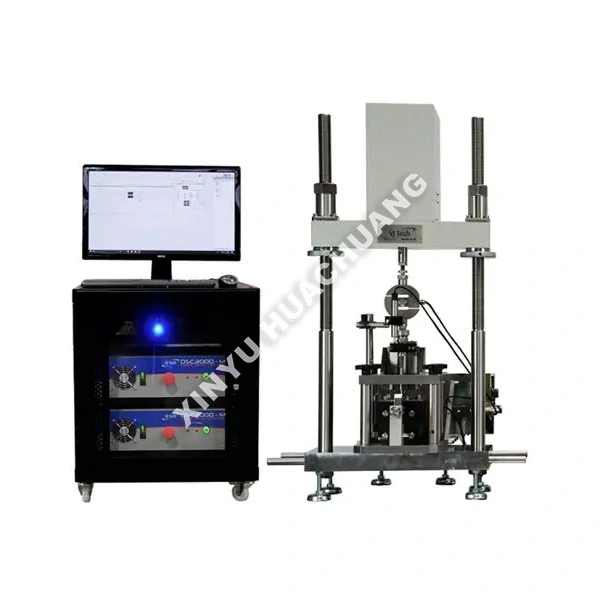
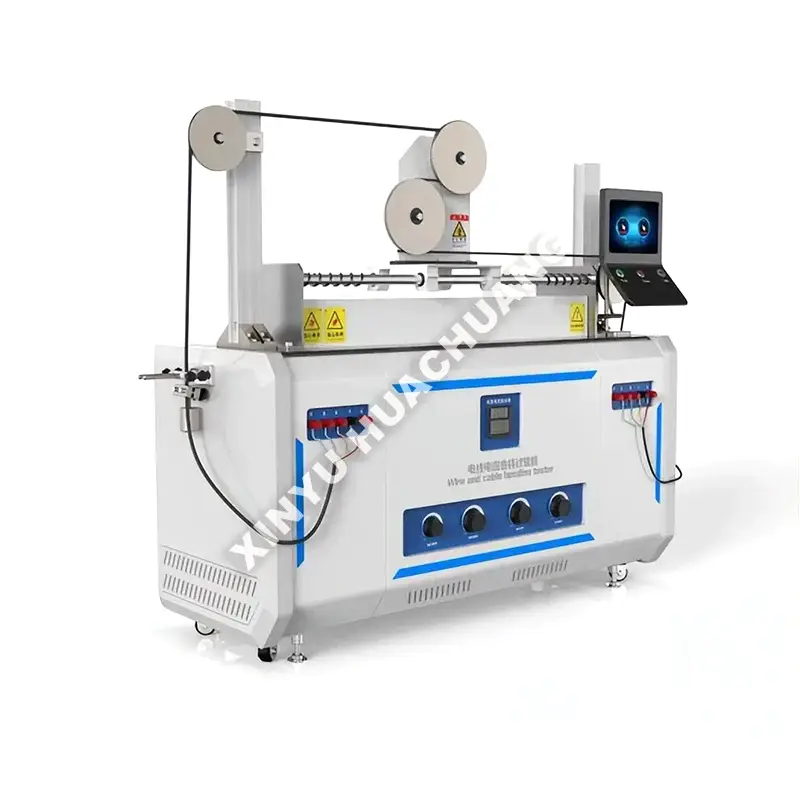
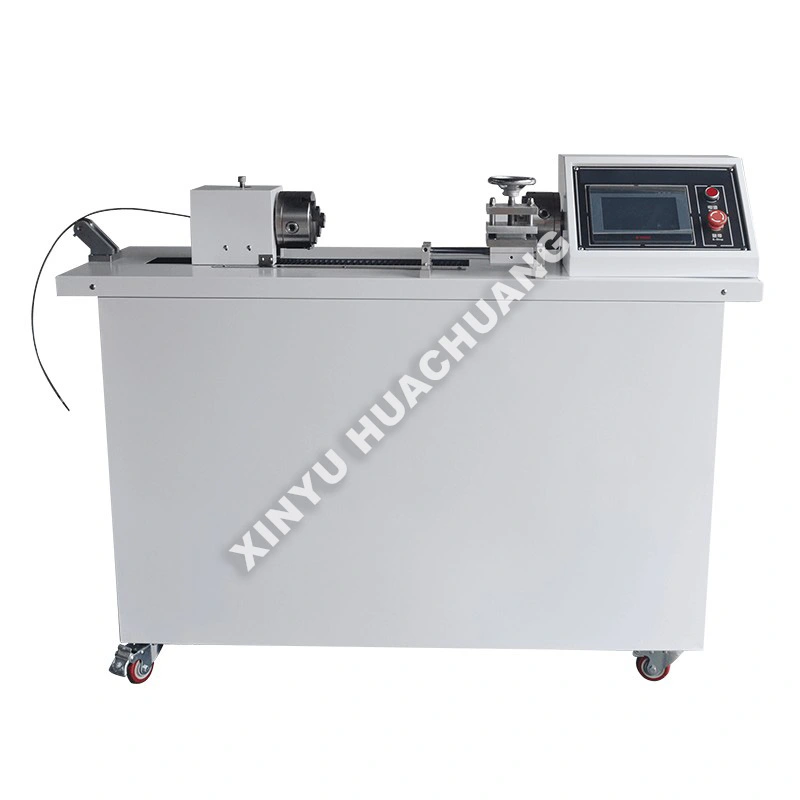
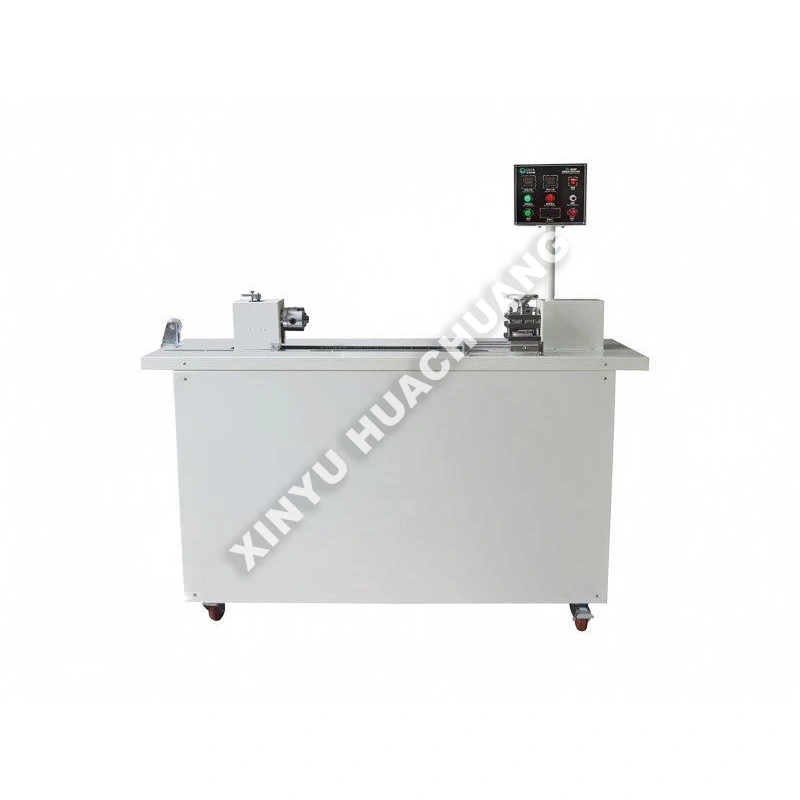
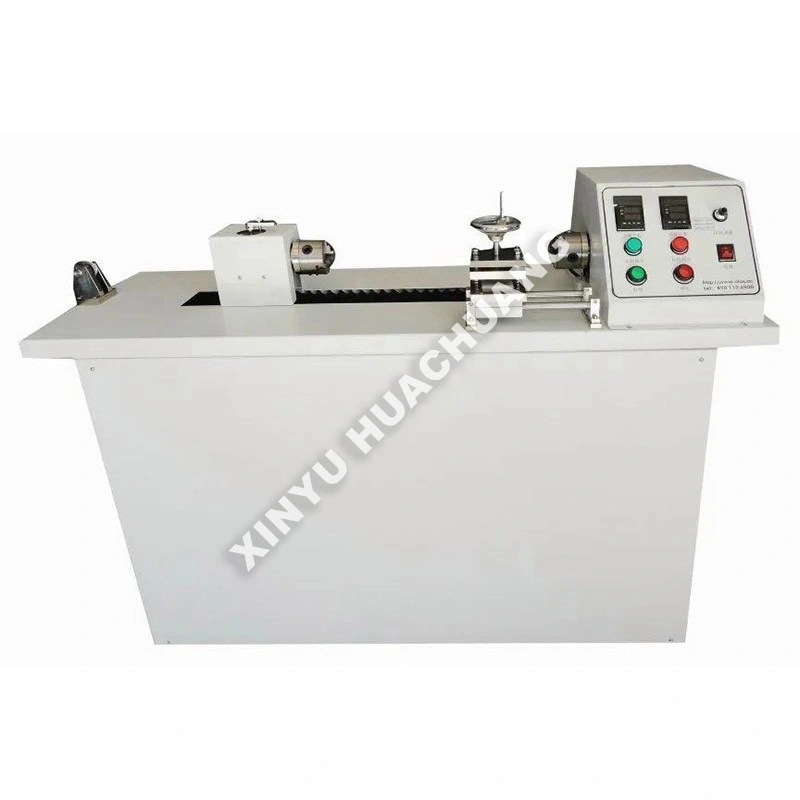
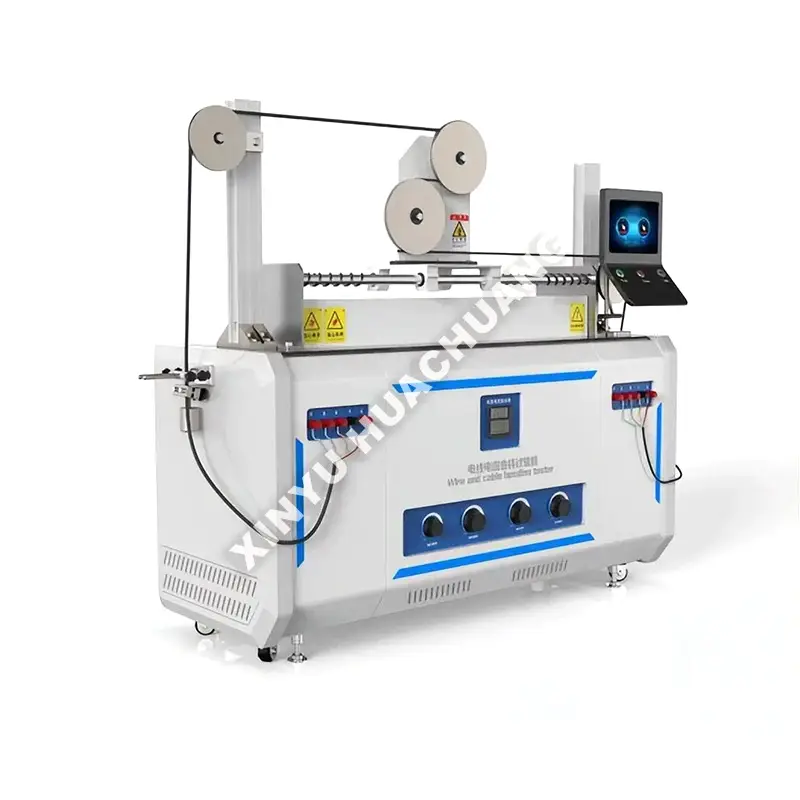
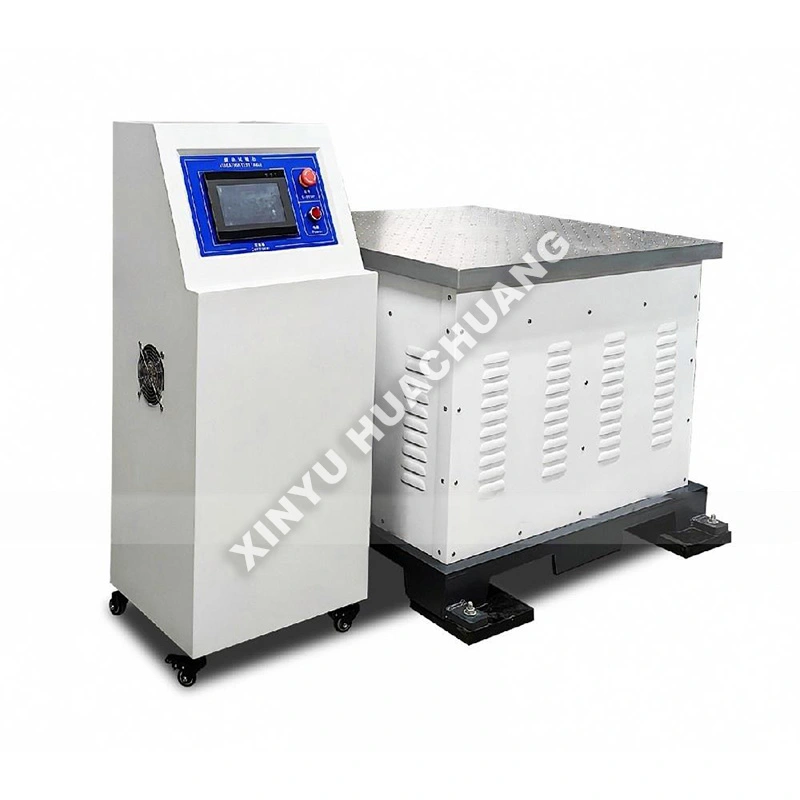
Constant-Temperature Wire Bending And Winding Test Bench
  • Constant-Temperature Wire Bending And Winding Test BenchConstant-Temperature Wire Bending And Winding Test Bench
  • Constant-Temperature Wire Bending And Winding Test BenchConstant-Temperature Wire Bending And Winding Test Bench
  • Constant-Temperature Wire Bending And Winding Test BenchConstant-Temperature Wire Bending And Winding Test Bench
  • Constant-Temperature Wire Bending And Winding Test BenchConstant-Temperature Wire Bending And Winding Test Bench

Constant-Temperature Wire Bending And Winding Test Bench

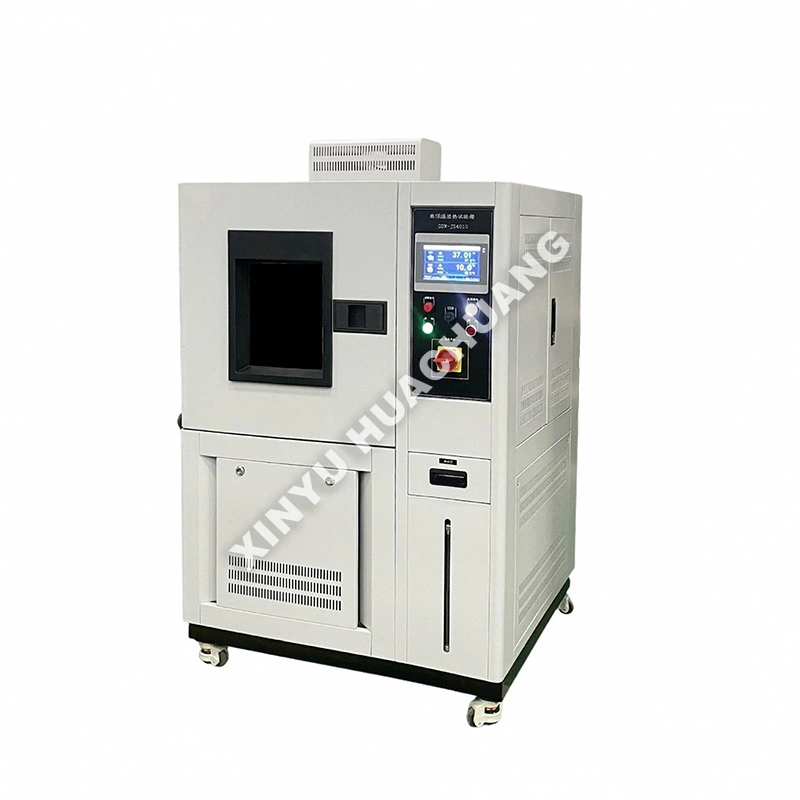
Some failures only appear after hours of sustained heat. XINYU HUACHUANG's Constant-Temperature Wire Bending And Winding Test Bench holds 50℃, 80℃, or 100℃ while wire bends and winds repeatedly. Ambient testers miss the slow creep of thermal aging. This system captures insulation softening, conductor fatigue, and loss of flexibility that develop over time under steady elevated temperatures. Automotive engine compartments, industrial machinery, and aerospace systems demand this level of testing.

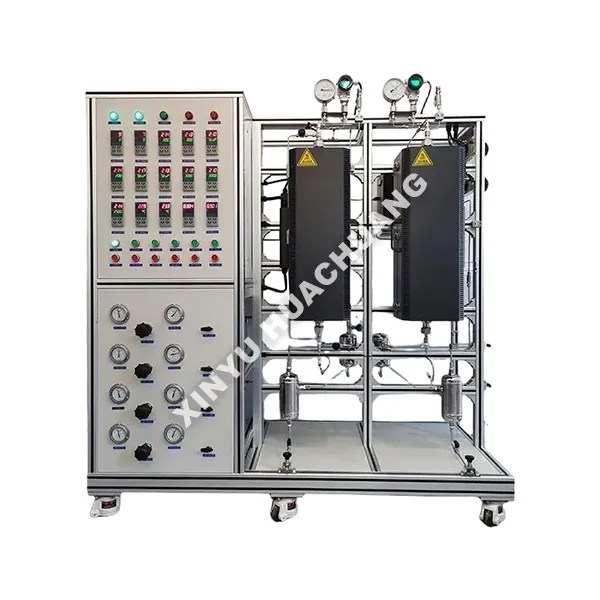
    The XINYU HUACHUANG Constant-Temperature Wire Bending And Winding Test Bench is an advanced, industrial-grade testing apparatus specifically engineered to evaluate the mechanical and electrical integrity of wires and cables under strictly controlled thermal environments. Designed to simulate specific operational temperatures, this test bench precisely combines cyclic bending or winding actions with accurate, uniform temperature regulation. Equipped with intelligent PLC automation and multi-level safety interlocks, it ensures safe, unattended long-term operation while delivering highly reproducible fatigue and insulation data for R&D, quality control, and industry certification.

    Constant Temperature Wire Bending And Winding Test Bench

    What is a Constant-Temperature Wire Bending And Winding Test Bench?

    A Constant-Temperature Wire Bending And Winding Test Bench is a specialized testing system that integrates a programmable constant-temperature chamber with a mechanical bending or winding mechanism. Unlike standard ambient testers, this Constant-Temperature Wire Bending And Winding Test Bench maintains a precise, uniform thermal environment (e.g., 50℃, 80℃, or 100℃) while the wire is subjected to repeated mechanical stress. It is critical for identifying failure mechanisms such as insulation softening, thermal aging, and conductor fatigue that occur specifically under elevated operational temperatures in automotive, aerospace, and industrial applications.

    What Makes It Stand Out?

    ● Precise Thermal Control: Features an advanced PID temperature control system with uniform air circulation, ensuring the test environment remains strictly constant throughout the bending or winding process.

    ● High-Precision Mechanical Action: Utilizes servo-driven actuators to provide accurate, stepless adjustment of bending angles, winding speeds, and mandrel diameters for highly repeatable results.

    ● Intelligent Data Acquisition: Integrated PC software automatically records real-time curves (Temperature-Time, Bend Count-Resistance), detects open circuits, and generates comprehensive test reports.

    ● Robust & Safe Construction: Built with high-quality thermal insulation, corrosion-resistant interiors, and multi-level safety interlocks (over-temp, overload, emergency stop) to protect equipment and operators.

    ● Customizable Fixturing: Offers specialized mandrels, clamps, and bending arms to securely hold various wire diameters and cable geometries without slippage or damage.

    Technical Specifications

    Parameter

    Specification

    Temperature Range

    RT ~ +200℃ (Precision ±1℃)

    Temperature Uniformity

    ≤ ±2℃

    Bending Angle

    ±10° ~ ±180° (Fully Adjustable)

    Winding Mandrel Diameter

    Customizable based on wire specs

    Test Frequency

    1 ~ 60 cycles/min (Stepless Adjustable)

    Heating Method

    Electric Resistance with PID Control

    Control System

    Industrial PLC + PC Software Interface

    Test Standards

    GB/T 2951, UL 1581, IEC 60811, VDE 0472

    Safety Features

    Over-temp, Over-load, Emergency Stop

    Selection Roadmap

    ● Define Test Temperature & Uniformity: Determine the exact constant temperature required for your specific application (e.g., 80℃ for automotive engine bay). Ensure the chamber's uniformity (±2℃) meets your testing standard's requirements.

    ● Assess Wire/Cable Specifications: Provide the wire diameter, insulation material, and overall cable geometry. This is critical for selecting the appropriate mandrel diameter, bending arm length, and clamping force.

    ● Determine Test Standard & Cycle Count: Identify the specific industry standard (e.g., UL, IEC, GB) you need to comply with. This dictates the required bending angle, speed, and total cycle count (e.g., 10,000 to 1,000,000 cycles).

    ● Evaluate Data Acquisition Needs: Decide if you require simple cycle counting or advanced real-time monitoring of electrical continuity and resistance. Select the appropriate software package accordingly.

    Quality Inspection Process

    ● Material Verification: Strict inspection of incoming structural steel, heating elements, and thermal insulation materials to ensure they meet specified performance and safety standards.

    ● Precision Machining: CNC machining of the main frame, bending arms, and mandrels to guarantee perfect alignment, smooth mechanical action, and dimensional accuracy.

    ● Thermal Calibration: Comprehensive calibration of the PID temperature controller and Pt100 sensors using certified reference thermometers to verify temperature accuracy and uniformity across the test chamber.

    ● Mechanical Load Testing: Rigorous testing of the servo drive system and clamping fixtures under full load to ensure smooth, vibration-free operation and secure specimen holding.

    ● Functional Run: A complete dry-run and actual wire specimen testing to verify accurate cycle counting, reliable electrical continuity detection, and proper functioning of all safety interlocks before packaging.

    Ongoing support

    At XINYU HUACHUANG, we are committed to providing comprehensive and reliable after-sales support to ensure the continuous and efficient operation of your equipment. Our dedicated service team is always ready to assist you.

    Comprehensive Warranty Coverage

    We proudly offer a two-year warranty for our equipment. During this period, we provide free maintenance and repair services for any quality-related issues, excluding those caused by improper operation, unauthorized modifications, or force majeure. For equipment beyond the two-year warranty period, we continue to offer lifelong maintenance services, charging only the cost of replacement parts and labor.

    Rapid Response Mechanism

    We offer 7×24 hours professional engineering telephone support. Upon receiving a fault notification, our technical team will respond within 24 hours and provide a viable solution. If on-site service is required, our professional engineers will arrive at your facility within one week. In special circumstances where the equipment cannot be repaired, we will unconditionally replace it with a new unit or provide a substitute unit during the two-year warranty period, or take necessary measures to restore normal operation.

    Frequently Asked Questions (FAQ)

    Q1: How does this bench differ from the high-and-low-temperature wire bending test bench?

    A: While the high-and-low-temperature bench cycles between extreme hot and cold conditions, this Constant-Temperature Wire Bending And Winding Test Bench maintains a precise, uniform thermal environment at a specific setpoint—such as 50°C, 80°C, or 100°C—throughout the entire test. This is essential for evaluating long-term performance at sustained operational temperatures rather than transient thermal extremes.

    Q2: What failure mechanisms are specifically associated with constant elevated temperatures?

    A: At sustained elevated temperatures, insulation materials undergo thermal aging, gradual softening, and loss of mechanical strength. Conductors experience accelerated creep and fatigue under repeated bending. These slow degradation mechanisms only become apparent under prolonged constant-temperature exposure, making this bench critical for predicting service life.

    Q3: Why is constant-temperature testing important for automotive wire harness qualification?

    A: Automotive wiring harnesses in engine compartments operate continuously at elevated temperatures—often 80°C to 125°C—throughout the vehicle's lifetime. Constant-temperature bending and winding testing validates that the insulation and conductor maintain their mechanical integrity under these sustained thermal conditions, ensuring long-term reliability rather than just short-term survival.

    Q4: How precise is the temperature control during mechanical testing?

    A: The programmable constant-temperature chamber maintains uniform temperature within ±1°C across the entire test zone. This tight control ensures that every section of the wire specimen experiences identical thermal conditions, eliminating temperature gradients that could introduce variability into the test results.

    Q5: Can the bench run extended-duration tests to simulate long-term thermal aging?

    A: Yes. The bench is designed for extended-duration operation, running thousands of bending or winding cycles over days or weeks at a constant elevated temperature. This capability allows manufacturers to generate accelerated aging data and predict the service life of wire and cable products under sustained thermal loads.


    Send Inquiry
    Contact Info
    • Address

      Unit 104, Building A, Factory D8 (East Zone), No. 1 Xuefu West Road, Xuefu Industrial Zone, Xiqing District, Tianjin, Hebei Province, China

    Tell XINYU HUACHUANG your reaction type, temperature, pressure and analytical needs, and our team will reply within 24 hours with a tailored quote.
    X
    We use cookies to offer you a better browsing experience, analyze site traffic and personalize content. By using this site, you agree to our use of cookies. Privacy Policy
    RejectAccept