Products
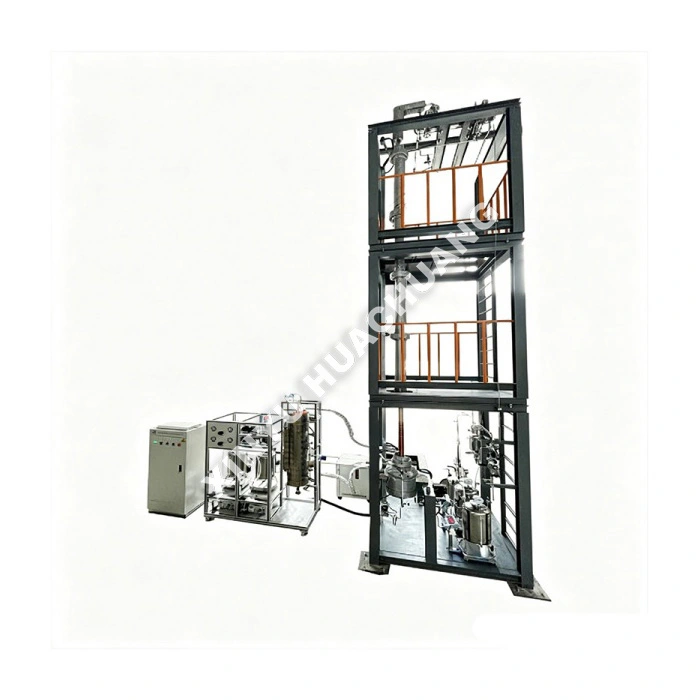
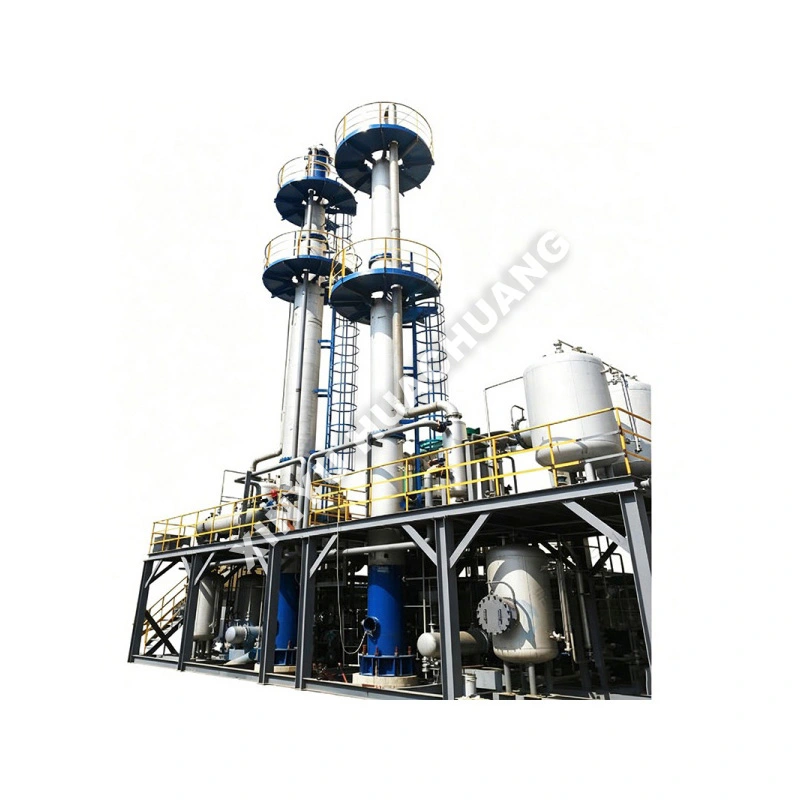
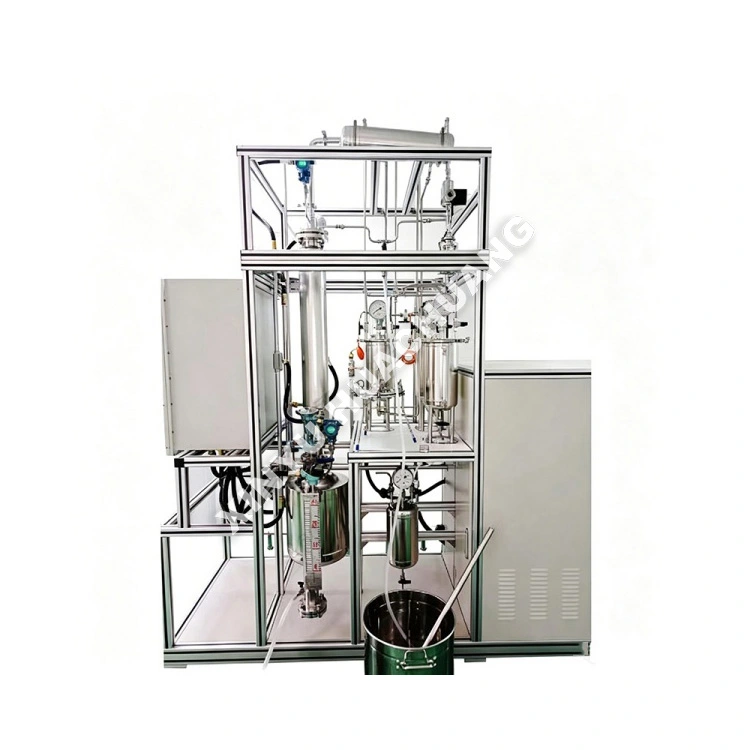
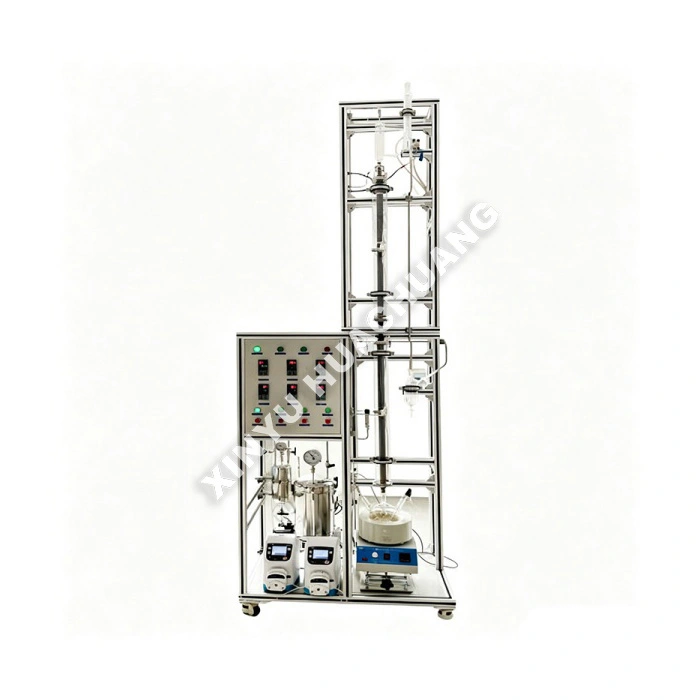
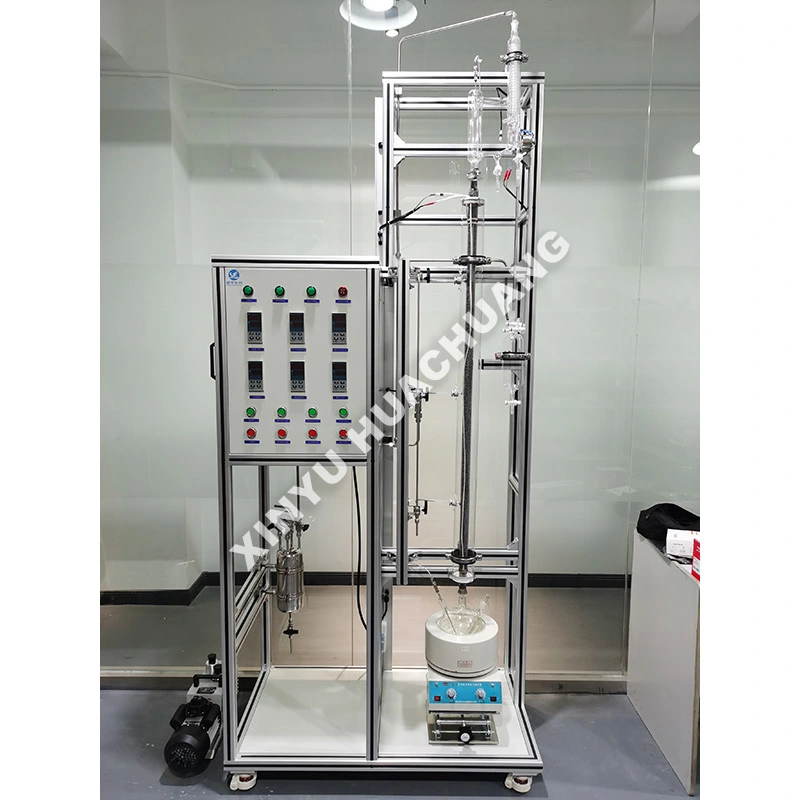
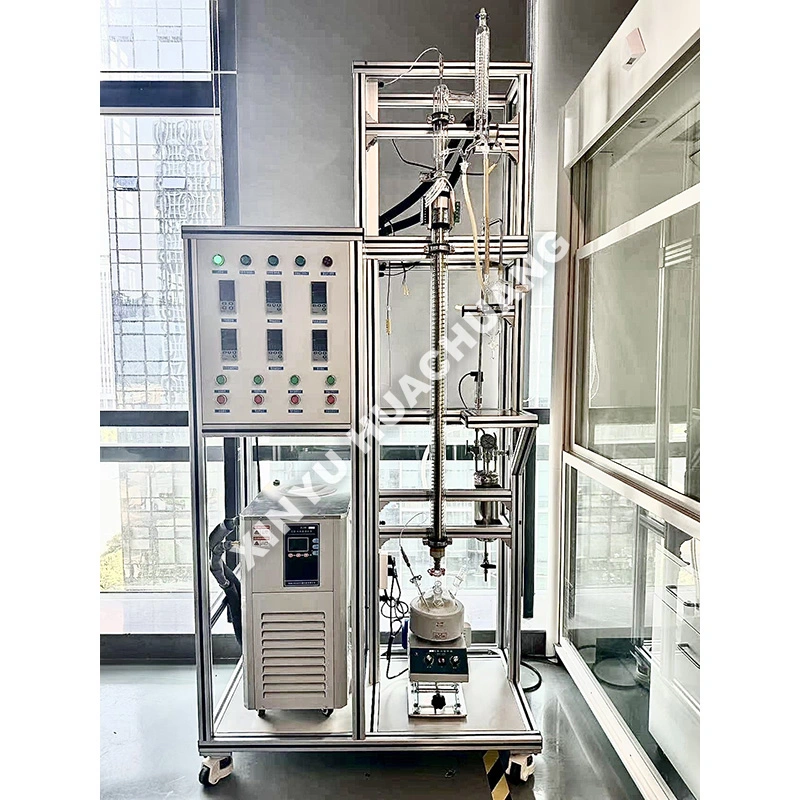
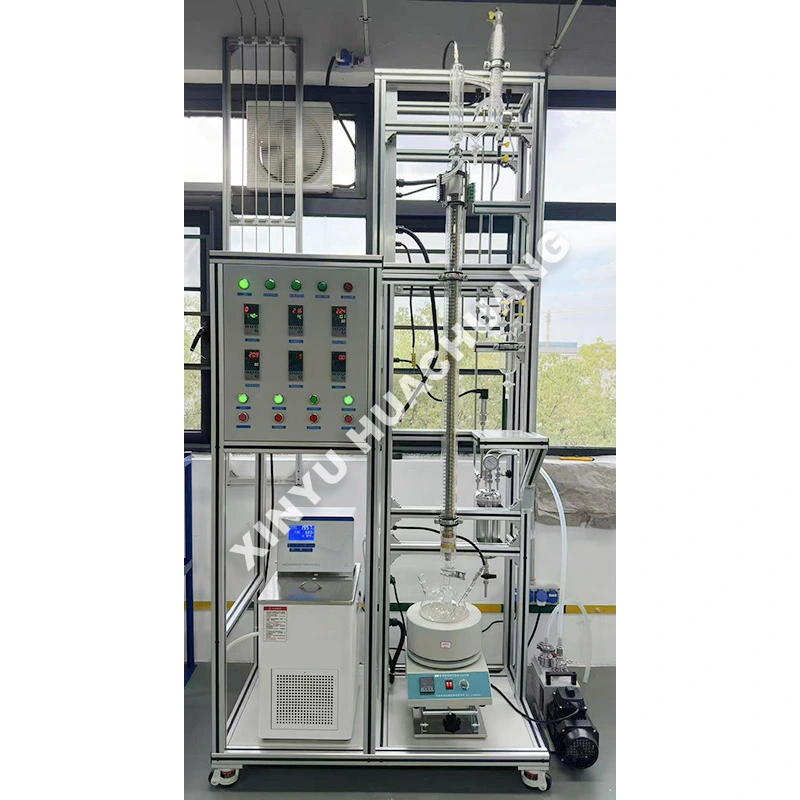
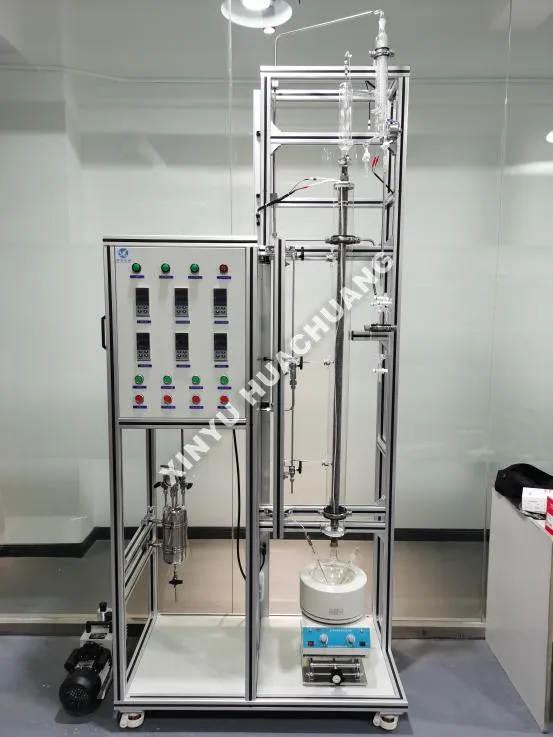
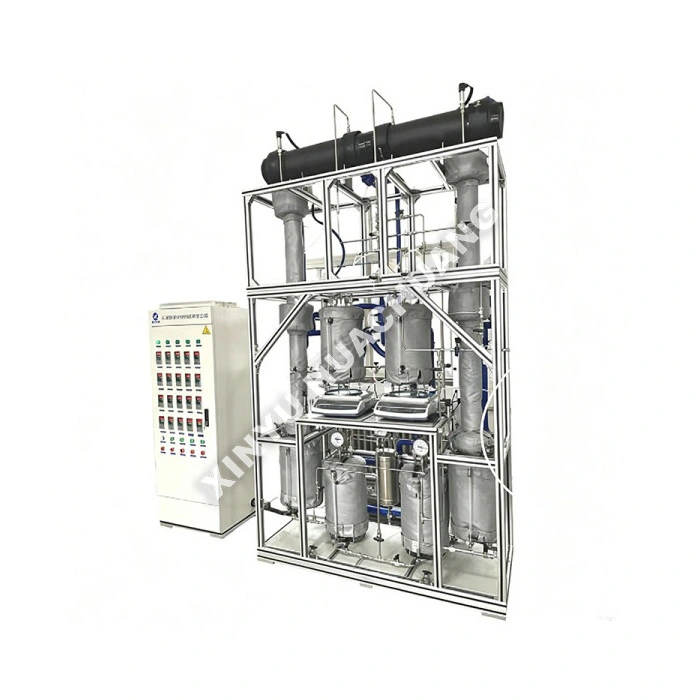
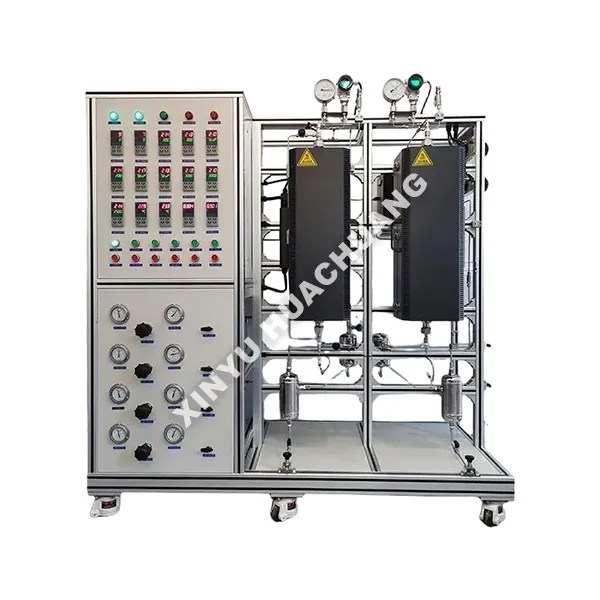
Continuous Glass Distillation Column Unit
  • Continuous Glass Distillation Column UnitContinuous Glass Distillation Column Unit
  • Continuous Glass Distillation Column UnitContinuous Glass Distillation Column Unit
  • Continuous Glass Distillation Column UnitContinuous Glass Distillation Column Unit
  • Continuous Glass Distillation Column UnitContinuous Glass Distillation Column Unit

Continuous Glass Distillation Column Unit

Need visual observation of your distillation process while running continuous feed? XINYU HUACHUANG's Continuous Glass Distillation Column Unit gives you full visibility through its borosilicate glass column with structured packing or glass internals. Continuous feed, continuous takeoff of lights and heavies. Perfect for R&D labs and pilot plants where transparency matters. Scalable and easy to modify. Inquire about custom column heights and packing options.

The XINYU HUACHUANG Continuous Glass Distillation Column Unit is an advanced separation system specifically engineered for R&D, pilot-scale testing, and small-batch production of corrosive or high-purity chemicals. Designed to provide complete visual access to the internal vapor-liquid equilibrium, this unit allows researchers to observe the separation process in real-time. Equipped with high-borosilicate glass components, precise reflux ratio controllers, and intelligent PLC automation, the Continuous Glass Distillation Column Unit ensures safe, highly efficient, and reproducible continuous fractionation for fine chemicals, pharmaceuticals, and specialty solvents.

Continuous Glass Distillation Column Unit

Working Principle

Continuous Glass Distillation Column Unit operates on a continuous fractional distillation principle. The liquid feedstock is continuously metered into the central section of the column. Inside the glass column, structured packing or specialized glass internals (such as θ-rings or spiral packing) maximize the contact area between the rising vapor and the descending liquid. As the vapor ascends, it undergoes repeated condensation and revaporization, enriching the light components at the top. The vapor is then condensed, and a portion is returned as reflux to maintain mass transfer balance, while the rest is continuously collected as the distillate. The heavy components continuously flow down to the reboiler for discharge. The entire continuous process is meticulously managed by the Continuous Glass Distillation Column Unit to maintain precise thermal gradients and optimal separation efficiency.

Where Does It Shine?

● Complete Visual Observation: The transparent high-borosilicate glass construction allows operators to visually monitor the vapor-liquid equilibrium, foaming, and flooding conditions, making it invaluable for R&D and process troubleshooting.

● Superior Corrosion Resistance: Constructed from premium GG17 (3.3) high-borosilicate glass and PTFE seals, the unit is completely inert to strong acids, alkalis, and corrosive organic solvents, ensuring zero product contamination.

● High-Efficiency Internals: Features customizable glass packing or structured wire-mesh packing to achieve high theoretical plate numbers and PPM-level separation purity.

● Intelligent PLC Automation: Centralized control system enables unattended continuous operation, automated reflux ratio adjustment, and real-time data logging for temperature and flow rates.

● Modular & Flexible Design: The column is assembled using standard glass joints (e.g., 24/29, 29/32) with electric heating jackets, allowing for easy height adjustment, disassembly, cleaning, and internal component replacement.

Technical Specifications

Parameter

Specification

Column Diameter

20mm - 80mm (Lab) / 100mm - 200mm (Pilot)

Operating Temperature

RT ~ 200℃ (Precision ±1℃)

Operating Pressure

Atmospheric / Deep Vacuum (≤1mmHg)

Heating Method

Electric Heating Jacket / Oil Bath with PID Control

Column Internals

Glass θ-rings / Spiral Packing / Structured Wire-Mesh

Reflux Ratio

0-∞ Adjustable (Electromagnetic or Gravity Controller)

Control System

Industrial PLC + PC Software Interface

Glass Material

GG17 / 3.3 High-Borosilicate Glass

Where can it be used?

● Fine Chemicals & Pharmaceuticals: Continuous purification of active pharmaceutical ingredients (APIs) and highly corrosive chemical intermediates.

● Essential Oils & Natural Extracts: Gentle, visible separation of heat-sensitive terpenes, fragrances, and plant extracts.

● Academic & R&D Laboratories: Fundamental kinetic studies, separation process visualization, and catalyst/packing efficiency testing.

● Specialty Solvents: Continuous recovery and ultra-high purification of corrosive or high-value organic solvents.

● Food & Beverage: Concentration of natural flavors, alcohol purification, and extraction of bioactive compounds.

Usage Precautions

● Thermal Shock Prevention: High-borosilicate glass is resistant to thermal shock but can still break under extreme stress. Always ensure the temperature change rate is less than 5℃/min during heating and cooling.

● Mechanical Protection: Glass components are fragile. Avoid mechanical impacts, overtightening of clamps, and ensure all glass joints are properly aligned and secured with appropriate clips.

● Vacuum Safety: When operating under deep vacuum, always inspect the glassware for micro-cracks or chips beforehand. Use a protective shield or safety mesh around the column to protect against potential implosion.

● Gradual Heating: Utilize the PLC's programmable heating ramp rates to prevent sudden vaporization and column flooding, especially when starting up the continuous feed.

Maintenance Guide

● Daily: Inspect the glass column and joints for any signs of cracks, chips, or chemical etching. Check the integrity of the PTFE gaskets and vacuum seals.

● Weekly/Monthly: Clean the glass internals and column walls to prevent residue buildup that can reduce separation efficiency. Use appropriate solvents or mild acid washes (avoid strong alkalis).

● Quarterly: Calibrate temperature sensors, mass flow controllers, and reflux ratio controllers to maintain testing accuracy. Inspect the electric heating jacket for uniform heating and proper insulation.

● Post-Operation: Always purge the system with an inert gas (N2) and allow it to cool to room temperature with heating off before disassembling the glass components for thorough cleaning and storage.

After-Sales Service & Support

At XINYU HUACHUANG, we are committed to providing comprehensive and reliable after-sales support to ensure the continuous and efficient operation of your equipment. Our dedicated service team is always ready to assist you.

Comprehensive Warranty Coverage

We proudly offer a two-year warranty for our equipment. During this period, we provide free maintenance and repair services for any quality-related issues, excluding those caused by improper operation, unauthorized modifications, or force majeure. For equipment beyond the two-year warranty period, we continue to offer lifelong maintenance services, charging only the cost of replacement parts and labor.

Rapid Response Mechanism

We offer 7×24 hours professional engineering telephone support. Upon receiving a fault notification, our technical team will respond within 24 hours and provide a viable solution. If on-site service is required, our professional engineers will arrive at your facility within one week. In special circumstances where the equipment cannot be repaired, we will unconditionally replace it with a new unit or provide a substitute unit during the two-year warranty period, or take necessary measures to restore normal operation.

Frequently Asked Questions (FAQ)

Q1: Why is the column made of glass rather than stainless steel?

A: The glass construction provides full visual access to the internal distillation process, allowing researchers to directly observe vapor-liquid contact behavior, flooding points, and liquid distribution across the packing. This transparency is invaluable for process development and troubleshooting, something impossible with opaque metal columns.

Q2: What types of internal packing are available for the glass column?

A: The column supports structured packing as well as specialized glass internals such as θ-rings and spiral packing. These maximize the contact area between rising vapor and descending liquid, enhancing mass transfer efficiency for precise multi-component separation.

Q3: How does continuous operation differ from batch distillation in this unit?

A: Unlike batch distillation where one charge is processed at a time, feedstock is continuously metered into the central section of the column. Light components are continuously collected as distillate from the top condenser while heavy components are continuously discharged from the reboiler at the bottom. This enables steady-state operation with consistent product quality over extended runs.

Q4: How is reflux managed to maintain separation efficiency?

A: A portion of the condensed overhead vapor is returned to the column as reflux. The reflux ratio is precisely controlled to maintain mass transfer balance inside the column. Adjusting this ratio allows fine-tuning of product purity versus throughput based on your specific separation requirements.

Q5: What kinds of mixtures are best suited for a glass distillation column?

A: Glass columns are particularly suitable for corrosive or high-purity mixtures where metal contamination must be avoided, as well as for processes requiring visual monitoring of internal dynamics. They are widely used in pharmaceutical research, fine-chemical development, and academic process-engineering studies.


Send Inquiry
Contact Info
  • Address

    Unit 104, Building A, Factory D8 (East Zone), No. 1 Xuefu West Road, Xuefu Industrial Zone, Xiqing District, Tianjin, Hebei Province, China

Tell XINYU HUACHUANG your reaction type, temperature, pressure and analytical needs, and our team will reply within 24 hours with a tailored quote.
X
We use cookies to offer you a better browsing experience, analyze site traffic and personalize content. By using this site, you agree to our use of cookies. Privacy Policy
RejectAccept