Products
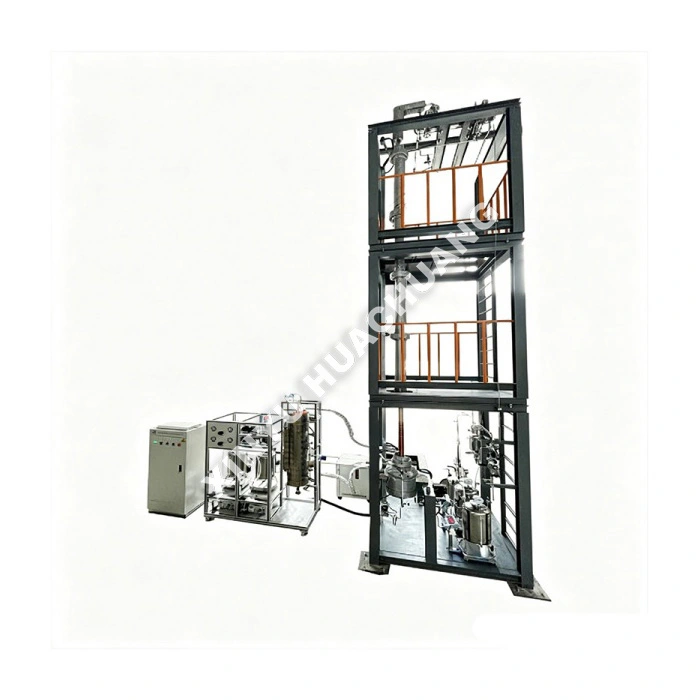
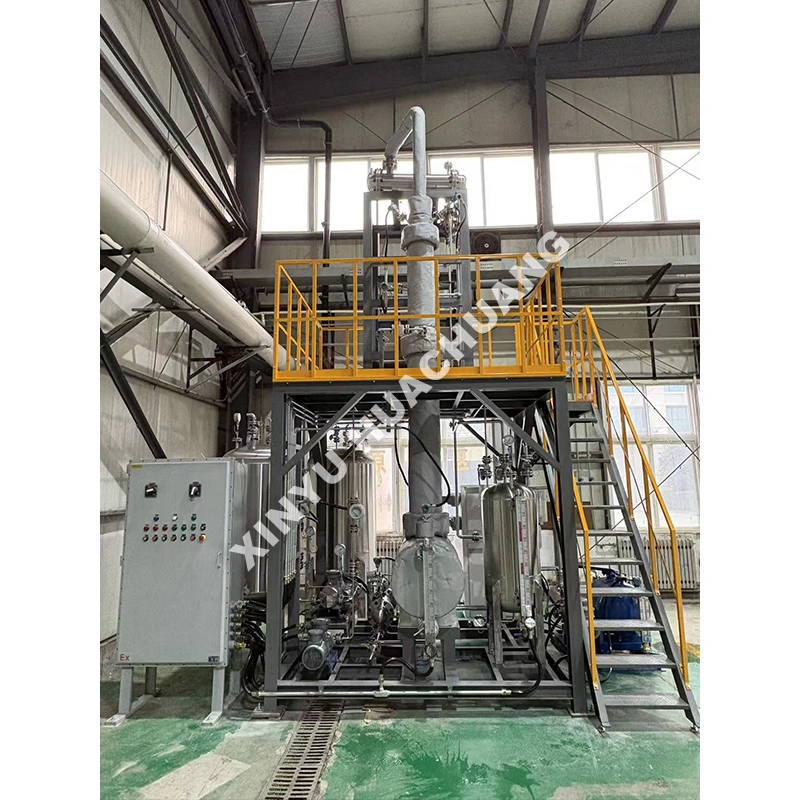
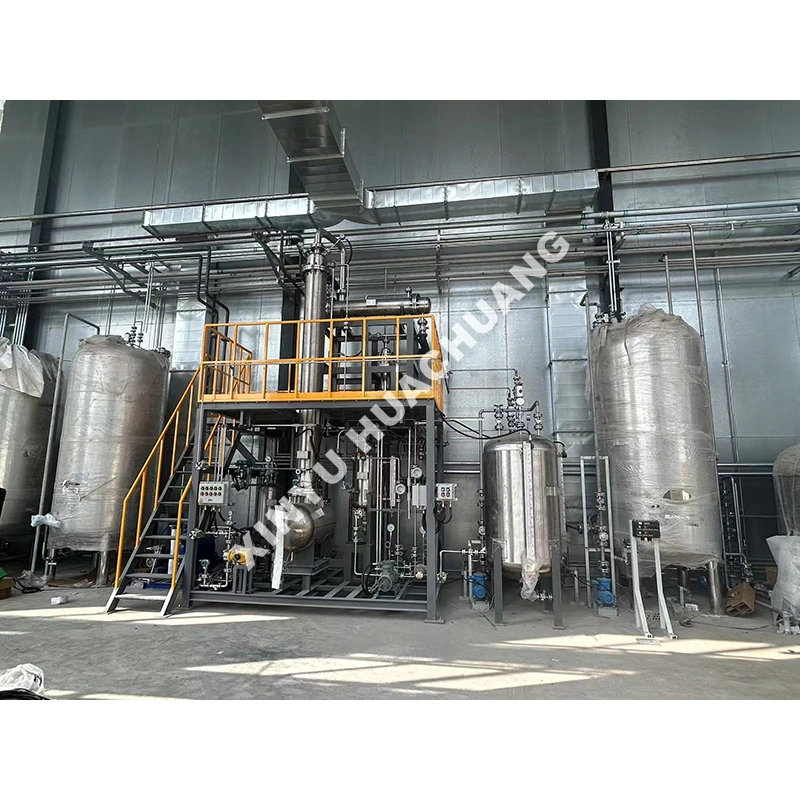
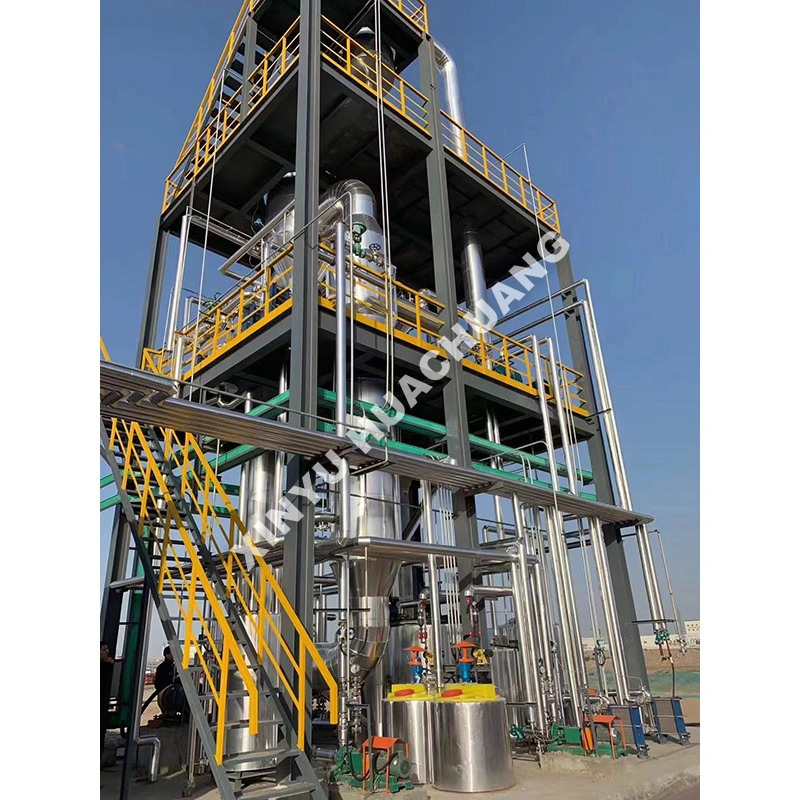
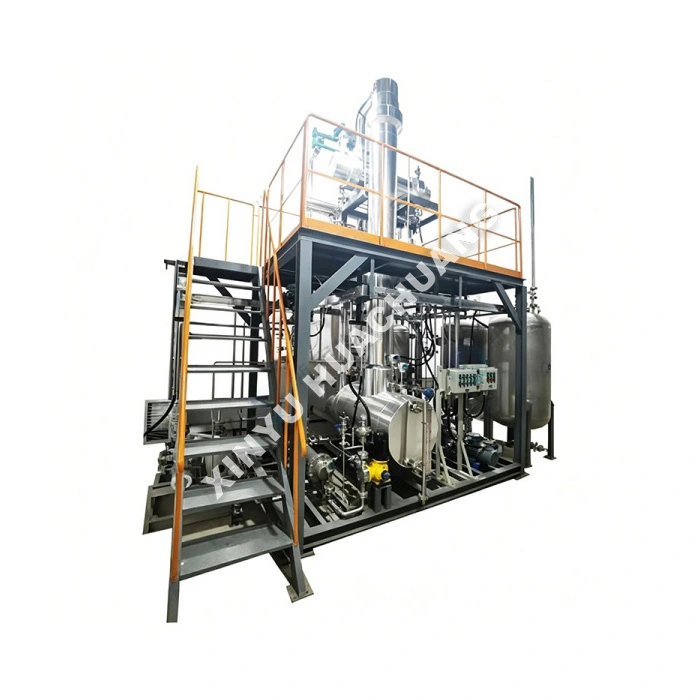
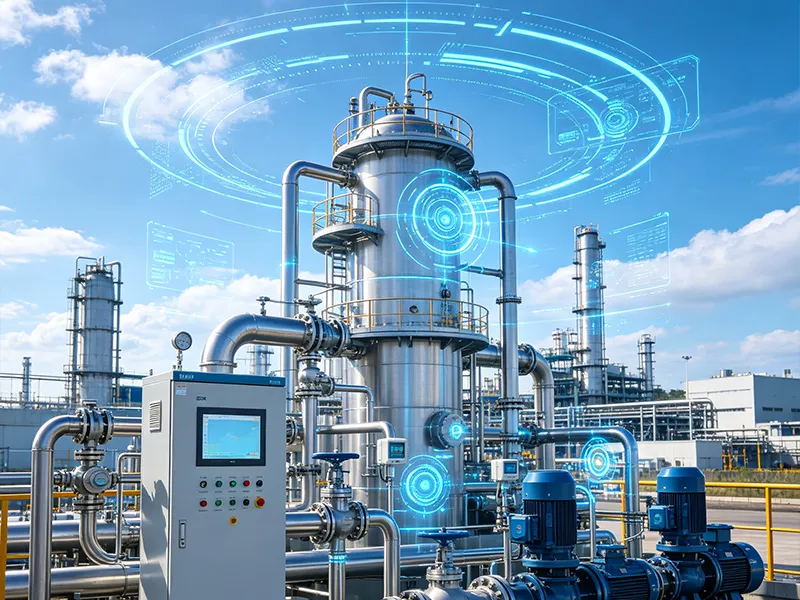
Methanol Distillation Unit
  • Methanol Distillation UnitMethanol Distillation Unit
  • Methanol Distillation UnitMethanol Distillation Unit
  • Methanol Distillation UnitMethanol Distillation Unit
  • Methanol Distillation UnitMethanol Distillation Unit

Methanol Distillation Unit

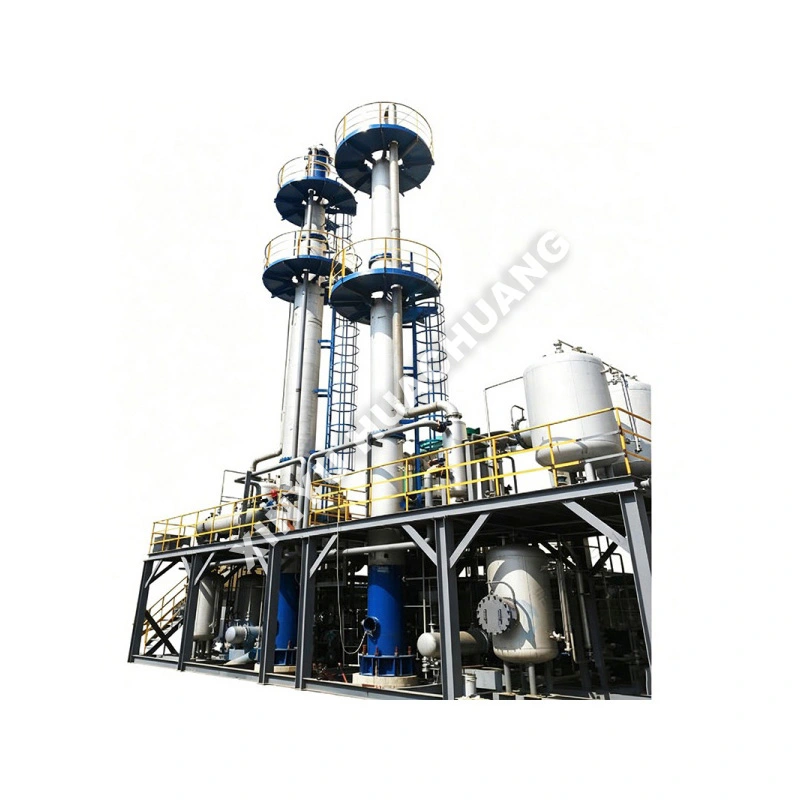
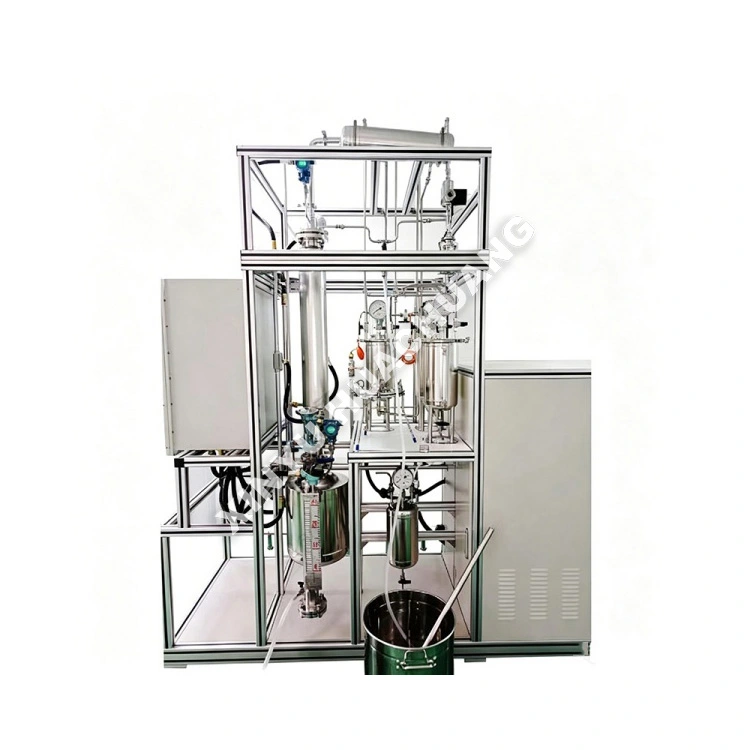
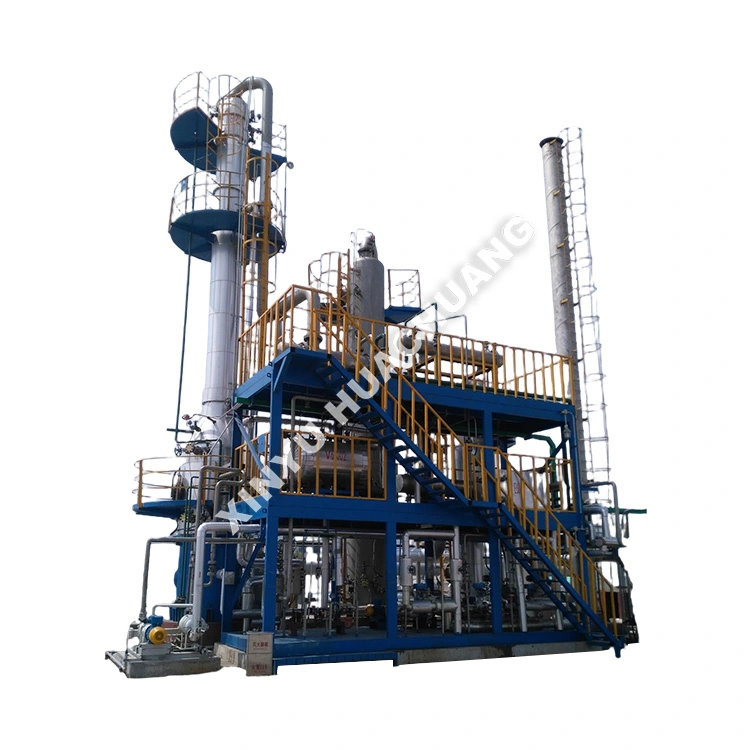
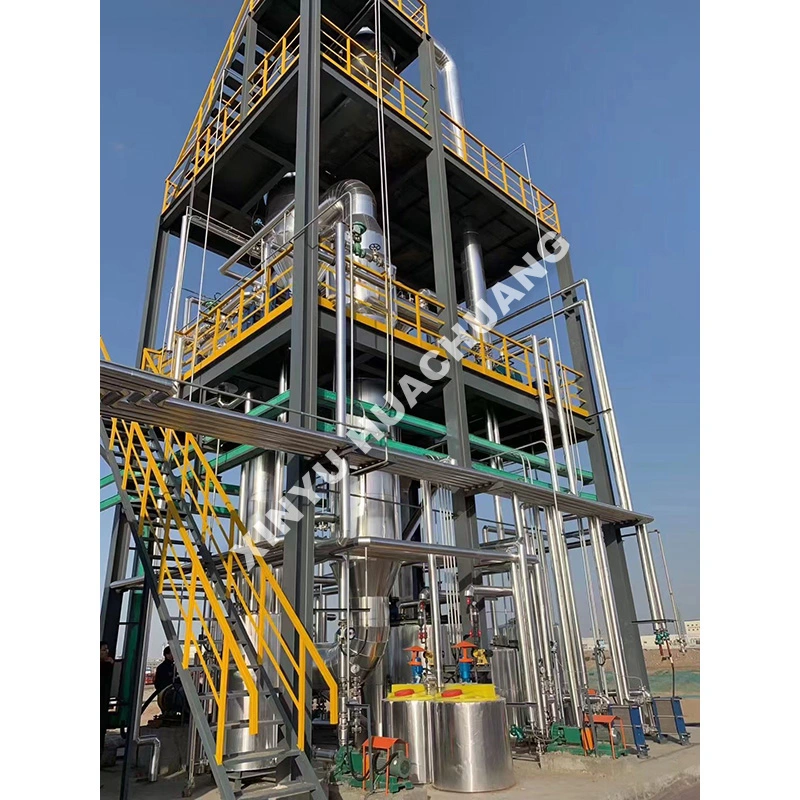
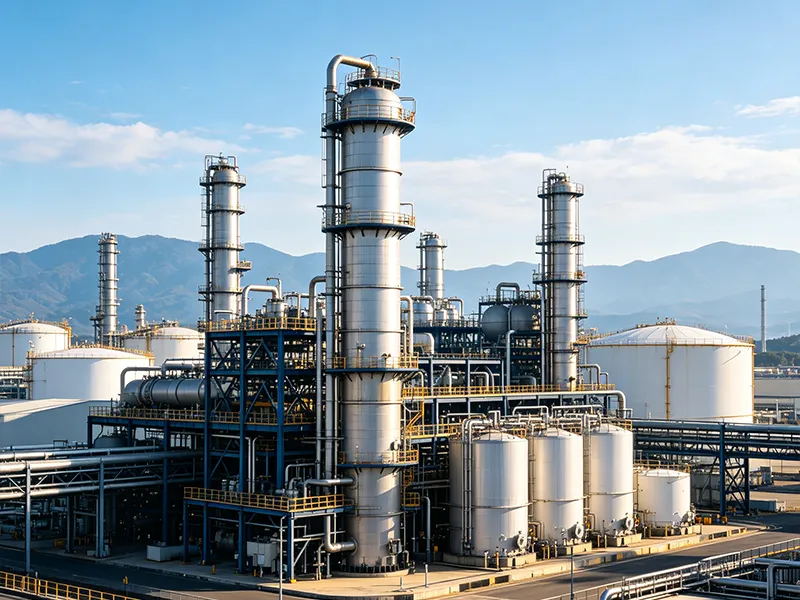
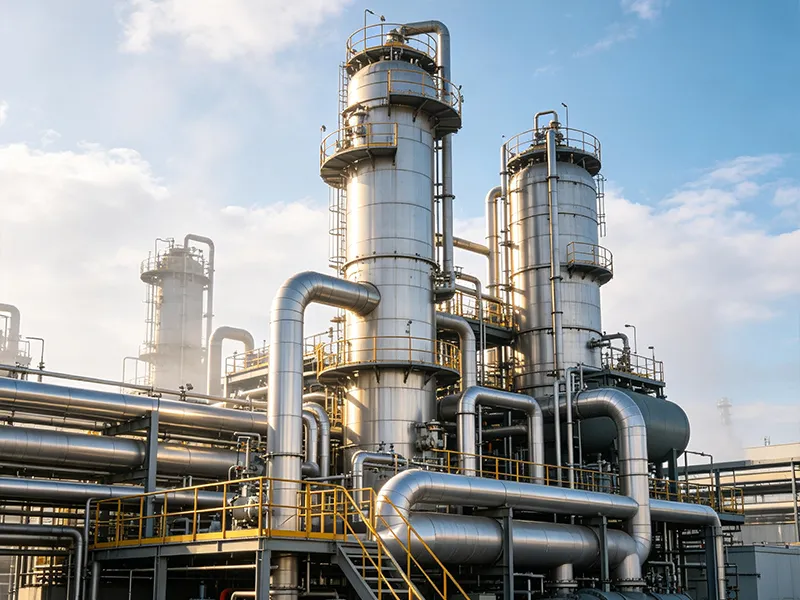
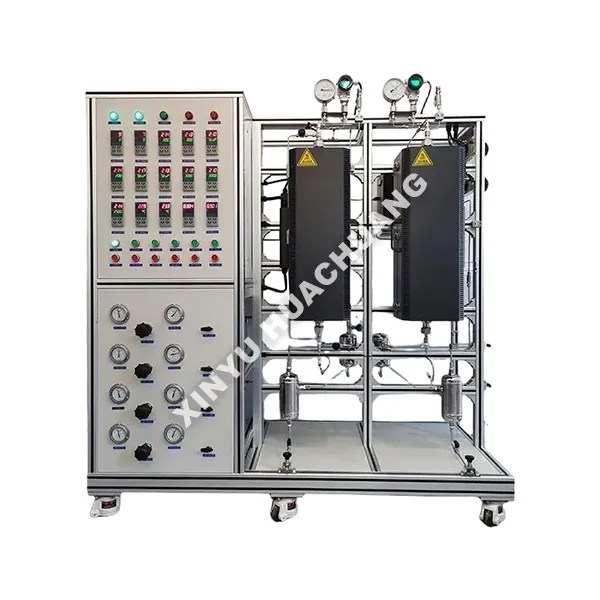
Upgrading crude methanol or recovering it from aqueous waste to meet industrial or electronic grade specs? XINYU HUACHUANG is a specialized chemical equipment manufacturer. Its Methanol Distillation Unit features a pre column for lights removal, a high pressure column for heat integration, and an atmospheric column for final purification. Continuous feed, continuous product. Ideal for coal to methanol plants and solvent recovery centers.

The XINYU HUACHUANG Methanol Distillation Unit is a highly efficient, continuous separation system specifically engineered for the industrial purification of crude methanol and the recovery of methanol-water mixtures. Designed to maximize energy efficiency and product throughput, this unit utilizes advanced multi-column configurations and heat integration technologies to separate complex mixtures with exceptional precision. Equipped with intelligent PLC automation, automated reflux ratio control, and multi-level safety interlocks, the Methanol Distillation Unit ensures stable, unattended long-term operation while delivering ultra-high purity methanol (≥99.9%) for commercial production and process optimization.

Methanol Distillation Unit

What is a Methanol Distillation Unit?

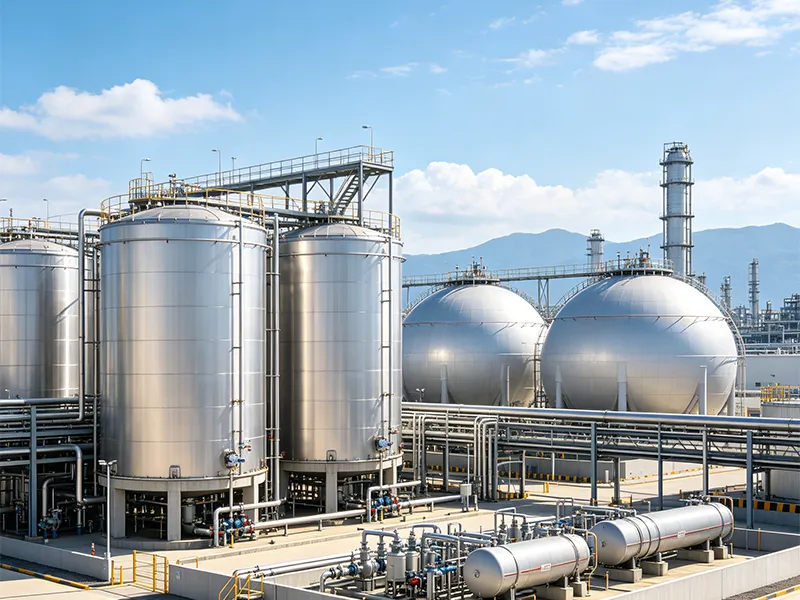
A Methanol Distillation Unit is a specialized chemical separation apparatus designed to upgrade crude methanol or recover methanol from aqueous waste streams into high-purity industrial or electronic-grade products. It operates by continuously feeding the mixture into a multi-stage fractionation system where methanol (boiling point ~64.7°C) is separated from water and heavier impurities based on boiling point differences. The unit typically features a pre-column for light-end removal, a high-pressure column for heat integration, and an atmospheric column for final purification. This equipment is widely utilized in coal-to-methanol plants, petrochemical facilities, and solvent recovery centers, providing reliable yield and purity metrics for large-scale industrial implementation.

What Makes It Stand Out?

● Advanced Heat Integration: Utilizes multi-effect distillation and mechanical vapor recompression (MVR) technologies to recover latent heat from overhead vapors, reducing steam consumption by up to 50% compared to traditional single-column systems.

● Ultra-High Purity Output: Optimized column internals and precise reflux control efficiently separate water and ethanol impurities, achieving methanol purity of ≥99.9% with moisture content below 100 ppm.

● Intelligent PLC Automation: Centralized control system enables unattended long-term operation, automated reflux ratio adjustment, and real-time data logging for temperature, pressure, and flow rates.

● Robust & Safe Construction: Built with premium metallurgy (e.g., SS304/316L) and multi-level safety interlocks (over-temperature, over-pressure, dry-heating protection) to ensure safe operation in hazardous environments.

● Energy-Efficient Design: Optimized reboilers, high-efficiency condensers, and heat exchangers maximize thermal efficiency, significantly reducing overall operational costs and carbon footprint.

Technical Specifications

Parameter

Specification

Target Product Purity

≥ 99.9% (Electronic Grade ≥ 99.95%)

Moisture Content

≤ 100 ppm (Customizable to ≤ 50 ppm)

Operating Temperature

60℃ ~ 150℃ (Multi-zone precision control)

Operating Pressure

Atmospheric / Slight Positive Pressure (Multi-column)

Heating Method

Steam / Thermal Oil / MVR Heat Pump

Column Configuration

Double-Effect / Triple-Effect / MVR (Customizable)

Reflux Ratio

Fully Automatic Adjustable via PLC

Control System

Industrial PLC + PC Software Interface

System Material

SS304 / SS316L (Customizable)

Selection Roadmap

● Define Your Feedstock & Target Purity: Clearly identify whether you are processing crude methanol, methanol-water mixtures, or waste solvents. This determines the required number of columns, column heights, and internal configurations for the Methanol Distillation Unit.

● Energy Efficiency Requirements: Evaluate your available utilities (steam, electricity). For large-scale operations, opt for multi-effect or MVR configurations to maximize heat recovery and minimize operating costs.

● Capacity & Throughput: Determine your required continuous processing volume (e.g., tons/hour). Ensure the column diameter and reboiler capacity are correctly sized to handle the vapor velocity without flooding.

● Impurity Profile: If your feedstock contains significant ethanol or higher alcohols, select a configuration with a dedicated side-draw or extractive distillation section to achieve ultra-low ethanol content in the final product.

● Material Compatibility: Standard SS304 is suitable for most methanol applications. However, if processing acidic or highly corrosive waste streams, upgrade to SS316L or specialized cladding.

Quality Inspection Process

● Material Verification: Strict inspection of incoming stainless steel, valves, and pressure vessels to ensure they meet specified metallurgical standards and high-pressure safety tolerances.

● Precision Machining: CNC machining of column shells, reboilers, and piping to guarantee perfect sealing surfaces and structural integrity under operating pressures.

● Hydrostatic & Leak Test: Every pressure vessel and pipeline undergoes rigorous hydrostatic testing and helium leak detection to verify structural safety and absolute leak-proof performance.

● System Calibration: Comprehensive calibration of the PLC control system, temperature/pressure sensors, mass flow controllers, and reflux ratio controllers to ensure accurate data display and reliable control.

● Final Functional Run: A complete dry-run and water-trial test to verify smooth operation, uniform thermal distribution, proper functioning of safety interlocks, and automated control logic before packaging.

After-Sales Service & Support

At XINYU HUACHUANG, we are committed to providing comprehensive and reliable after-sales support to ensure the continuous and efficient operation of your equipment. Our dedicated service team is always ready to assist you.

Comprehensive Warranty Coverage

We proudly offer a two-year warranty for our equipment. During this period, we provide free maintenance and repair services for any quality-related issues, excluding those caused by improper operation, unauthorized modifications, or force majeure. For equipment beyond the two-year warranty period, we continue to offer lifelong maintenance services, charging only the cost of replacement parts and labor.

Rapid Response Mechanism

We offer 7×24 hours professional engineering telephone support. Upon receiving a fault notification, our technical team will respond within 24 hours and provide a viable solution. If on-site service is required, our professional engineers will arrive at your facility within one week. In special circumstances where the equipment cannot be repaired, we will unconditionally replace it with a new unit or provide a substitute unit during the two-year warranty period, or take necessary measures to restore normal operation.

Frequently Asked Questions (FAQ)

Q1: What is the purpose of the three-column design (pre-column, high-pressure column, atmospheric column)?

A: Each column serves a distinct role. The pre-column strips light-end impurities (such as dimethyl ether and methyl formate) from the crude feed. The high-pressure column performs the main methanol-water separation while enabling heat integration with the atmospheric column to reduce energy consumption. The atmospheric column delivers the final purification pass, producing high-purity methanol that meets industrial or electronic-grade specifications.

Q2: How does heat integration between columns reduce operating costs?

A: The high-pressure column operates at elevated pressure, which raises its overhead condensation temperature. This waste heat is then used as the heat source for the atmospheric column's reboiler. This thermal coupling can reduce overall steam consumption by 30–40% compared to a single-column design, significantly lowering utility costs.

Q3: What methanol purity levels can this unit achieve?

A: The multi-stage fractionation system produces methanol meeting AA-grade industrial standards (≥99.9% purity) and can be configured for electronic-grade specifications with additional purification stages. The unit effectively separates methanol from water, ethanol, higher alcohols, and trace impurities.

Q4: Which types of crude methanol feedstock can this unit handle?

A: It handles crude methanol from coal-to-methanol synthesis, natural gas reforming, and biomass gasification processes. It also recovers methanol from aqueous waste streams in petrochemical facilities and solvent recovery centers, making it versatile across different production routes.

Q5: How does the unit ensure consistent product quality during continuous operation?

A: Online analytical instruments such as GC provide real-time purity monitoring of the product stream. Automated cut-point adjustment systems respond to any composition drift, diverting off-spec material back to the feed while collecting only on-spec methanol as product.


Send Inquiry
Contact Info
  • Address

    Unit 104, Building A, Factory D8 (East Zone), No. 1 Xuefu West Road, Xuefu Industrial Zone, Xiqing District, Tianjin, Hebei Province, China

Tell XINYU HUACHUANG your reaction type, temperature, pressure and analytical needs, and our team will reply within 24 hours with a tailored quote.
X
We use cookies to offer you a better browsing experience, analyze site traffic and personalize content. By using this site, you agree to our use of cookies. Privacy Policy
RejectAccept