Products
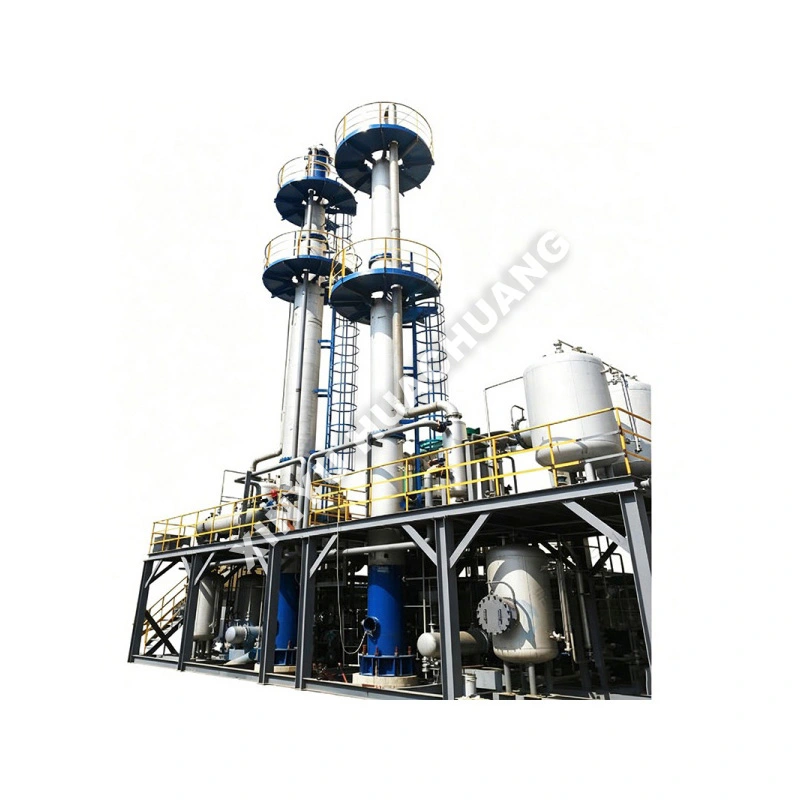
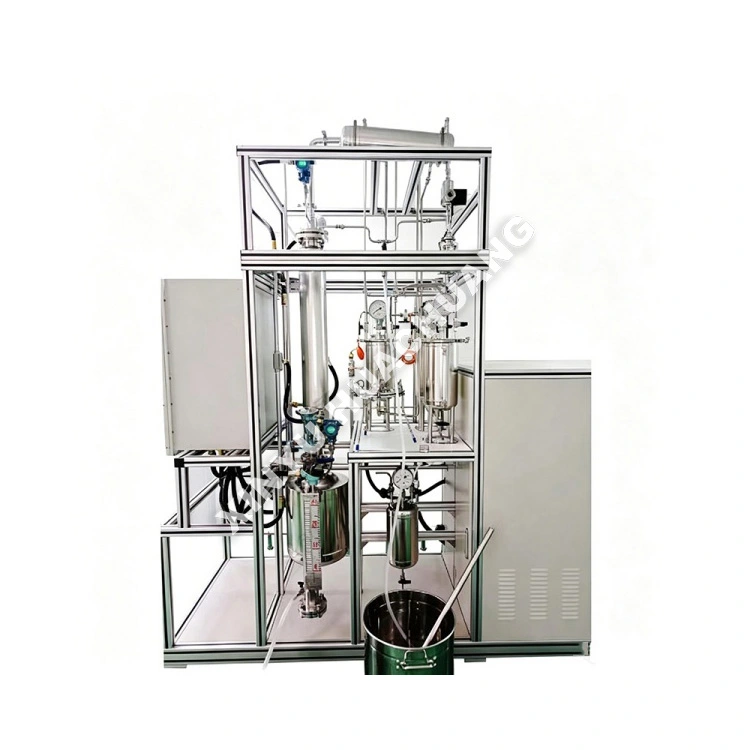
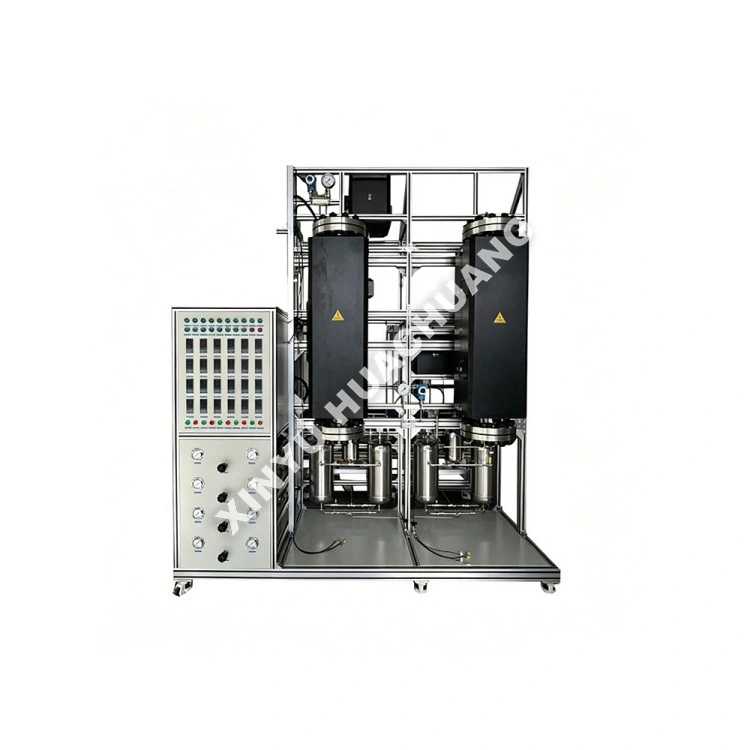
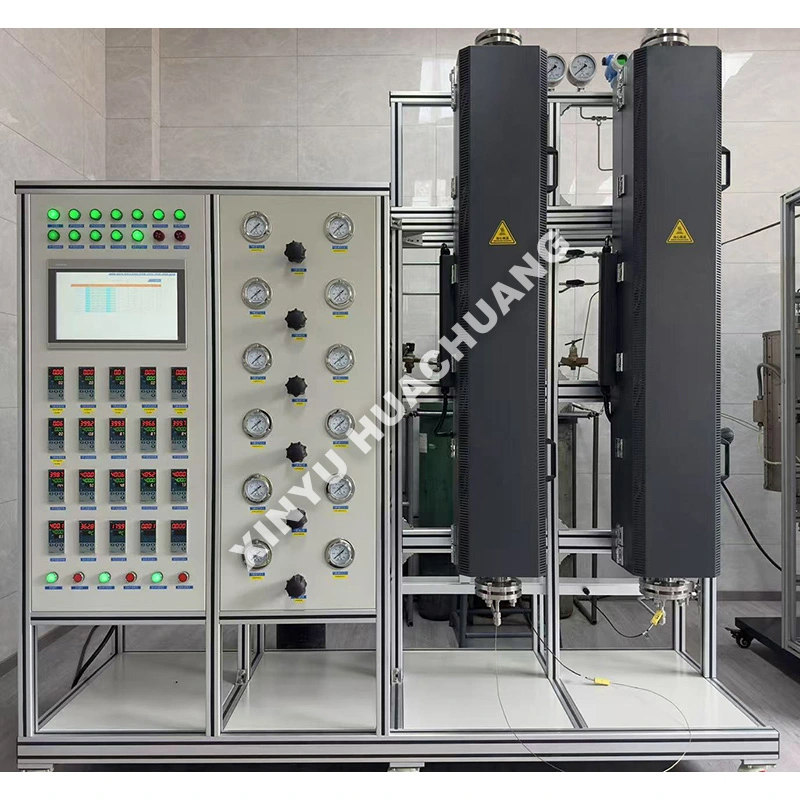
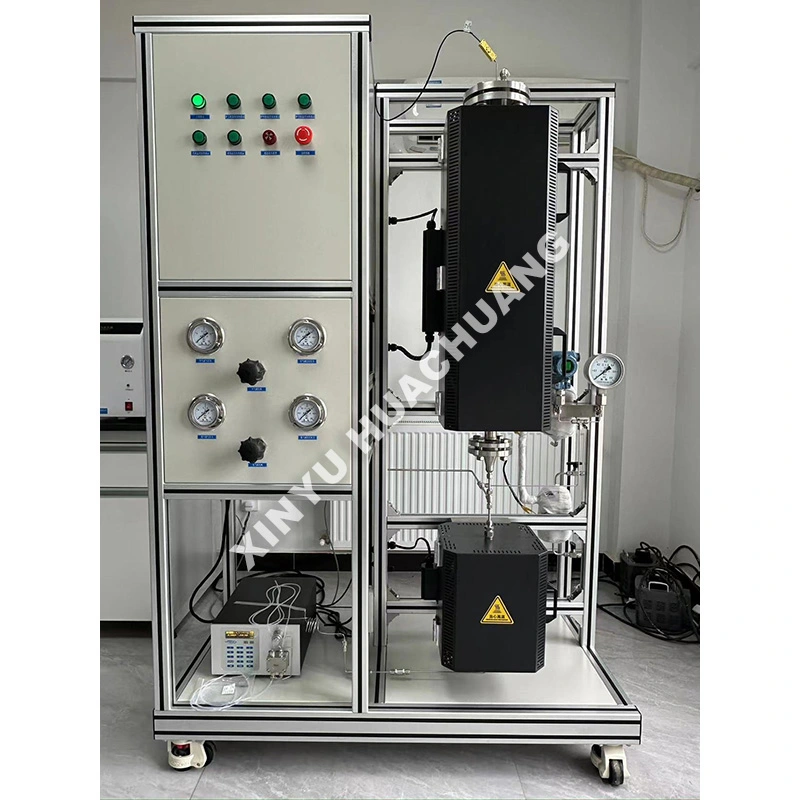
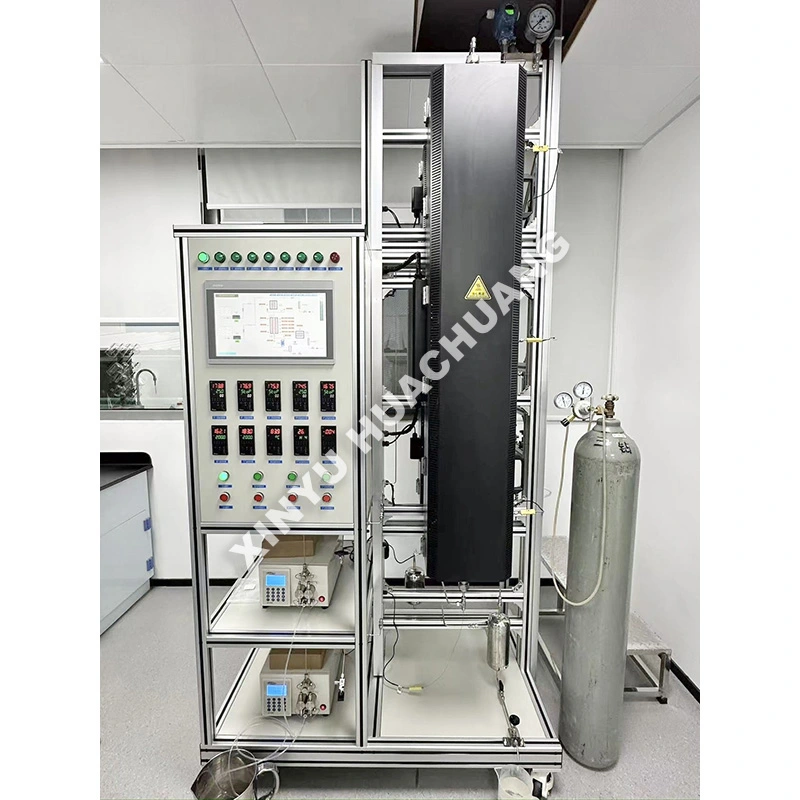
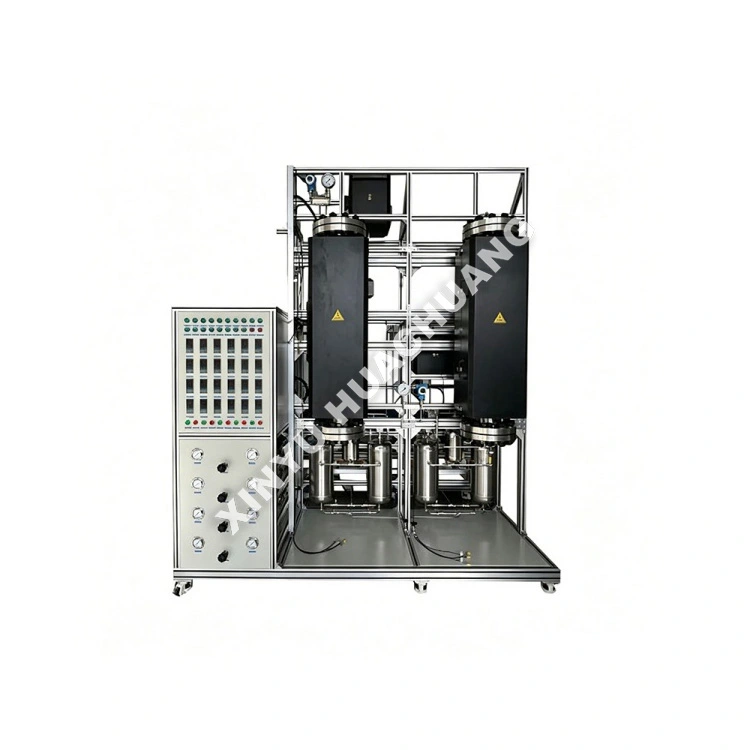
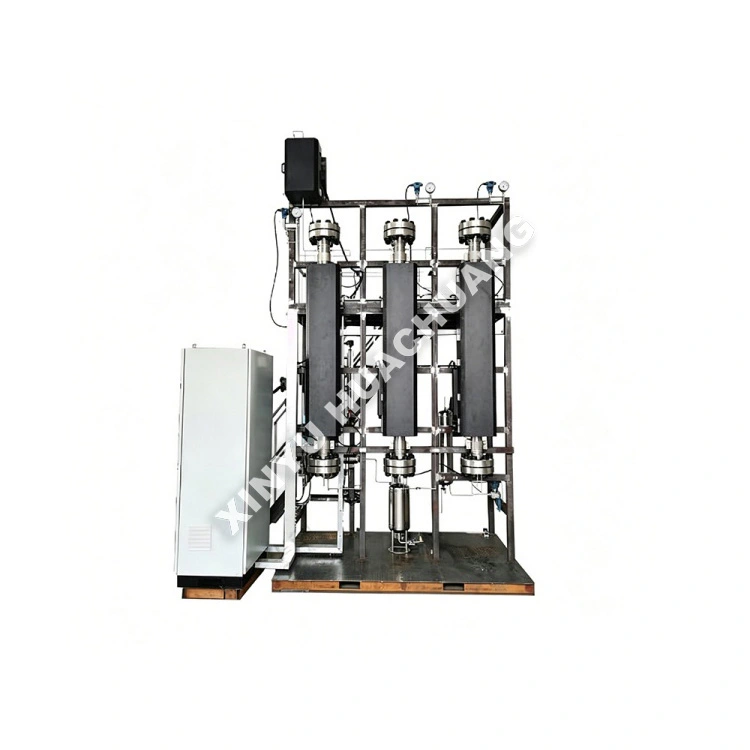
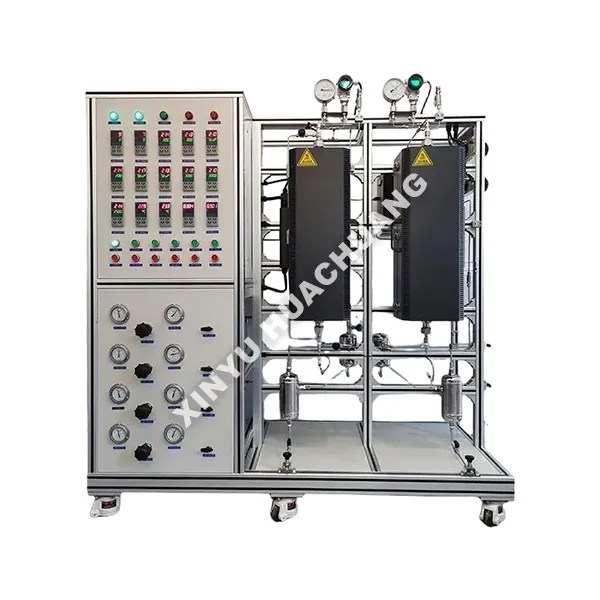
Heavy-Oil Hydrogenation Pilot Unit
  • Heavy-Oil Hydrogenation Pilot UnitHeavy-Oil Hydrogenation Pilot Unit
  • Heavy-Oil Hydrogenation Pilot UnitHeavy-Oil Hydrogenation Pilot Unit
  • Heavy-Oil Hydrogenation Pilot UnitHeavy-Oil Hydrogenation Pilot Unit
  • Heavy-Oil Hydrogenation Pilot UnitHeavy-Oil Hydrogenation Pilot Unit

Heavy-Oil Hydrogenation Pilot Unit

Processing vacuum residue or heavy crude? XINYU HUACHUANG specializes in R&D and manufacturing of pilot scale chemical units. Its Heavy-Oil Hydrogenation Pilot Unit uses the same multistage guard bed logic, protecting your catalyst from asphaltene and metal poisoning. The result is extended catalyst life and consistent distillate yields. Built for severe hydrogenation conditions. Reach out for a pilot quote with your feed specifications.

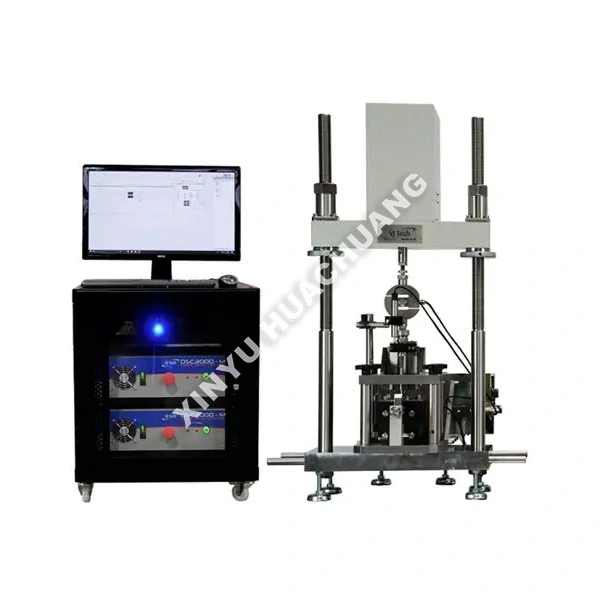
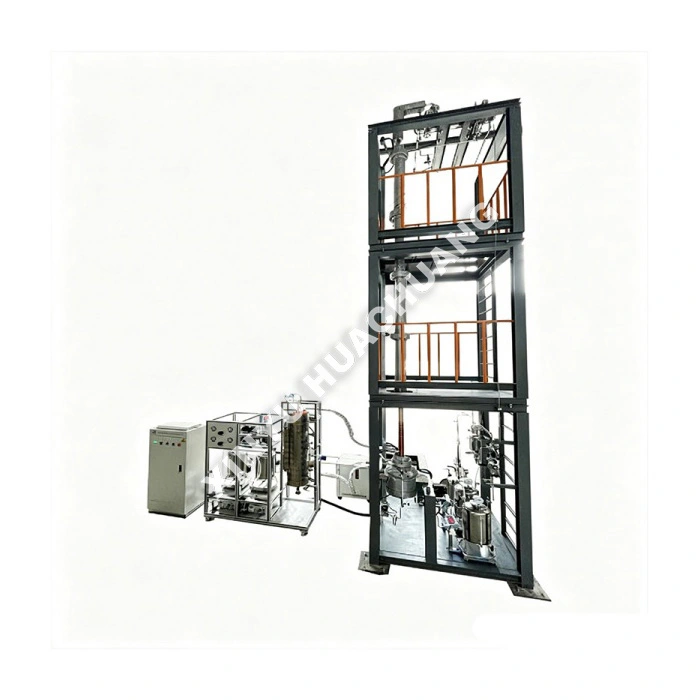
The XINYU HUACHUANG Heavy-Oil Hydrogenation Pilot Unit is an advanced, continuous-flow testing system specifically engineered to tackle the challenges of processing heavy, high-viscosity feedstocks. Designed to bridge the gap between laboratory research and industrial scale-up, this unit accurately simulates real-world hydroprocessing environments with precise control over temperature, pressure, and hydrogen-to-oil ratios. Equipped with intelligent PLC automation and multi-stage fixed-bed reactors, the Heavy-Oil Hydrogenation Pilot Unit ensures safe, continuous operation while delivering highly reproducible data for catalyst screening, deep desulfurization, and denitrification. It is the ideal platform for optimizing clean fuel production and maximizing the added value of complex heavy oil resources.

Heavy Oil Hydrogenation Pilot Unit

What is a Heavy-Oil Hydrogenation Pilot Unit?

A Heavy-Oil Hydrogenation Pilot Unit is a specialized, continuous-flow chemical testing apparatus designed to upgrade low-value heavy oils (such as vacuum residue, atmospheric residue, or heavy crude) into high-quality liquid fuels and chemical feedstocks. The system operates by mixing the heavy oil feedstock with high-pressure hydrogen and passing it through a series of heated catalytic reactors. Inside the reactor beds, complex reactions including hydrodesulfurization (HDS), hydrodenitrification (HDN), and aromatic ring saturation take place. The unit typically features a multi-stage reactor design (e.g., guard bed, hydrotreating bed, and hydrocracking bed) to prevent catalyst fouling from heavy asphaltenes and metals, ultimately yielding clean naphtha, diesel, and wax fractions.

What are the distinctive advantages?

● Industrial-Grade Simulation: Accurately replicates pilot-scale trickle-bed or fixed-bed hydroprocessing conditions, providing reliable kinetic data for commercial scale-up.

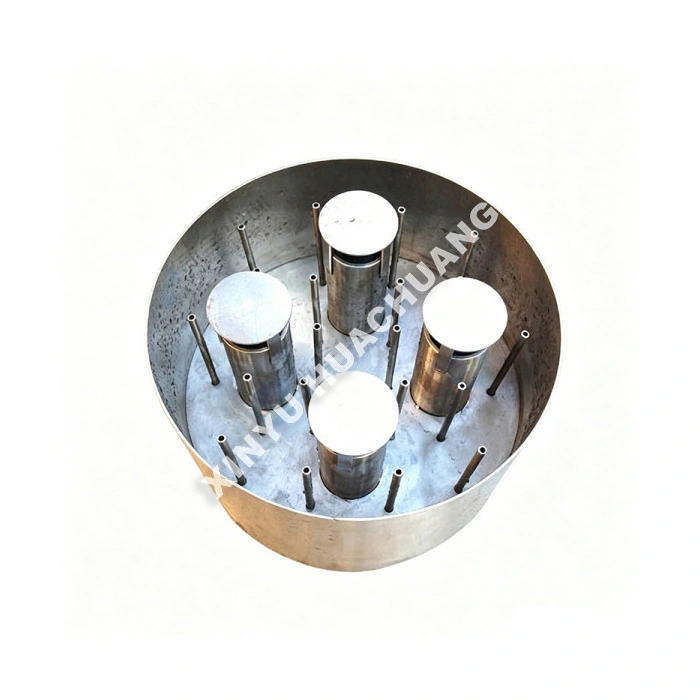
● Multi-Stage Reactor Design: Features customizable multi-zone reactors with inter-bed quenching to manage exothermic reactions, prevent hot spots, and extend catalyst life.

● Anti-Fouling & Protection: Integrated pre-treatment and guard bed systems effectively capture mechanical impurities, metals, and heavy asphaltenes, protecting downstream active catalysts.

● Intelligent PLC Automation: Centralized control system enables unattended long-term operation, automated data logging, and real-time monitoring of critical parameters.

● Robust & Safe Construction: Built with high-pressure safety interlocks, leak detection, and premium metallurgy (e.g., SS316L, Hastelloy) to safely handle corrosive environments and extreme operating conditions.

Technical Specifications

Parameter

Specification

Reactor Configuration

Multi-Stage Fixed-Bed (Trickle Bed)

Operating Temperature

RT ~ 500℃ (Precision ±1℃)

Operating Pressure

Atmospheric to 20.0 MPa (Customizable)

Feed System

High-Precision HPLC Pumps + Heated Lines

Hydrogen Flow Control

High-Precision Mass Flow Controllers (MFC)

Reactor Material

SS316L / Hastelloy / Inconel

Control System

Industrial PLC + PC Software Interface

Product Separation

High/Low-Pressure Separators + Fractionation

A Practical Approach to Selecting Your Reactor Platform

● Define Your Target Application: Clearly identify whether your focus is deep desulfurization, hydrocracking, or heavy oil upgrading. This determines the required temperature range, pressure, and catalyst type.

● Feedstock Compatibility: Select the appropriate reactor material based on the heavy oil properties. Standard SS316L is suitable for most applications, while highly corrosive environments require Hastelloy or Inconel.

● Reactor Configuration: Determine whether you need a single-stage or multi-stage reactor design. Multi-stage reactors with inter-bed quenching are recommended for managing exothermic reactions and extending catalyst life.

● Analytical Needs: If you need to monitor product quality in real-time, ensure the unit includes multi-port sampling valves and compatible online analyzers (e.g., GC, FTIR) for continuous product analysis.

Quality Inspection Process

● Material Verification: Strict inspection of incoming stainless steel and high-pressure components to ensure they meet specified metallurgical standards and high-pressure tolerances.

● Precision Machining: CNC machining of the reactor body and high-pressure fittings to guarantee perfect sealing surfaces and structural integrity.

● Hydrostatic Pressure Test: Every reactor undergoes rigorous hydrostatic testing at 1.5 times the maximum operating pressure to verify structural safety and leak-proof performance.

● System Calibration: Comprehensive calibration of the PLC control system, temperature sensors, and mass flow controllers to ensure accurate data display and reliable control.

● Final Functional Run: A complete dry-run test of the entire system to verify smooth operation, uniform thermal distribution, and proper functioning of safety interlocks before packaging.

After-Sales Service & Support

At XINYU HUACHUANG, we are committed to providing comprehensive and reliable after-sales support to ensure the continuous and efficient operation of your equipment. Our dedicated service team is always ready to assist you.

Comprehensive Warranty Coverage

We proudly offer a two-year warranty for our equipment. During this period, we provide free maintenance and repair services for any quality-related issues, excluding those caused by improper operation, unauthorized modifications, or force majeure. For equipment beyond the two-year warranty period, we continue to offer lifelong maintenance services, charging only the cost of replacement parts and labor.

Rapid Response Mechanism

We offer 7×24 hours professional engineering telephone support. Upon receiving a fault notification, our technical team will respond within 24 hours and provide a viable solution. If on-site service is required, our professional engineers will arrive at your facility within one week. In special circumstances where the equipment cannot be repaired, we will unconditionally replace it with a new unit or provide a substitute unit during the two-year warranty period, or take necessary measures to restore normal operation.

Frequently Asked Questions (FAQ)

Q1: Which heavy oil feedstocks is this pilot unit designed to upgrade?

A: The Heavy-Oil Hydrogenation Pilot Unit handles low-value heavy oils such as vacuum residue, atmospheric residue, and heavy crude, upgrading them into high-quality liquid fuels and chemical feedstocks.

Q2: Why is pilot-scale testing important before processing heavy oil commercially?

A: Heavy oil properties vary greatly from source to source, so its behavior under high-pressure hydrogen must be verified first. This continuous-flow pilot apparatus generates real process data on conversion and product quality before you commit to a full-scale investment.

Q3: What chemical transformations occur in the reactor beds?

A: As the heavy oil mixes with high-pressure hydrogen and passes through the heated catalytic beds, it undergoes hydrodesulfurization (HDS), hydrodenitrification (HDN), and aromatic ring saturation, removing impurities and improving fuel quality.

Q4: How does the unit cope with asphaltenes and metals that deactivate catalysts?

A: Its multi-stage reactor design—guard bed, hydrotreating bed, and hydrocracking bed—is arranged specifically to prevent catalyst fouling from heavy asphaltenes and metals, which extends catalyst life and run length.

Q5: What fractions does the Heavy-Oil Hydrogenation Pilot Unit produce?

A: The upgraded stream yields clean naphtha, diesel, and wax fractions, giving you a clear picture of the product slate and yields achievable in a future industrial plant.


Send Inquiry
Contact Info
  • Address

    Unit 104, Building A, Factory D8 (East Zone), No. 1 Xuefu West Road, Xuefu Industrial Zone, Xiqing District, Tianjin, Hebei Province, China

Tell XINYU HUACHUANG your reaction type, temperature, pressure and analytical needs, and our team will reply within 24 hours with a tailored quote.
X
We use cookies to offer you a better browsing experience, analyze site traffic and personalize content. By using this site, you agree to our use of cookies. Privacy Policy
RejectAccept